

Rwanda Unveils Ambitious Climate Plan as New Reports Reveal Most Vulnerable Districts
As climate change continues to pose serious threats across the globe, Rwanda has unveiled an ambitious new climate action plan aimed at strengthening resilience and reducing greenhouse gas emissions over the next decade.
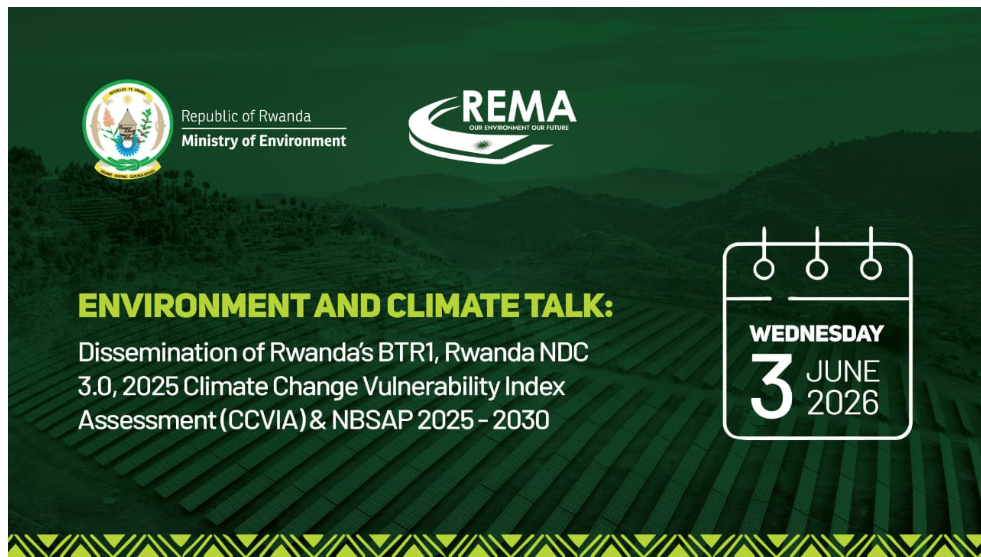
The plan, known as the Nationally Determined Contribution (NDC 3.0), was launched by the Ministry of Environment in collaboration with the Rwanda Environment Management Authority (REMA). It outlines Rwanda’s commitment under the Paris Agreement and sets a target of reducing greenhouse gas emissions by 53 percent by 2035 while enhancing the country’s capacity to cope with climate-related disasters.
The announcement comes alongside the release of several national climate and environmental reports, which paint a concerning picture of the impact climate change has already had on Rwanda.
According to the reports, Rwanda’s Eastern and Southern Provinces have been the most affected by climate-related disasters over the past seven years. Districts including Gatsibo, Nyagatare, Ngoma, Gisagara, Kamonyi, and Ngororero were identified as among the most vulnerable areas in the country.
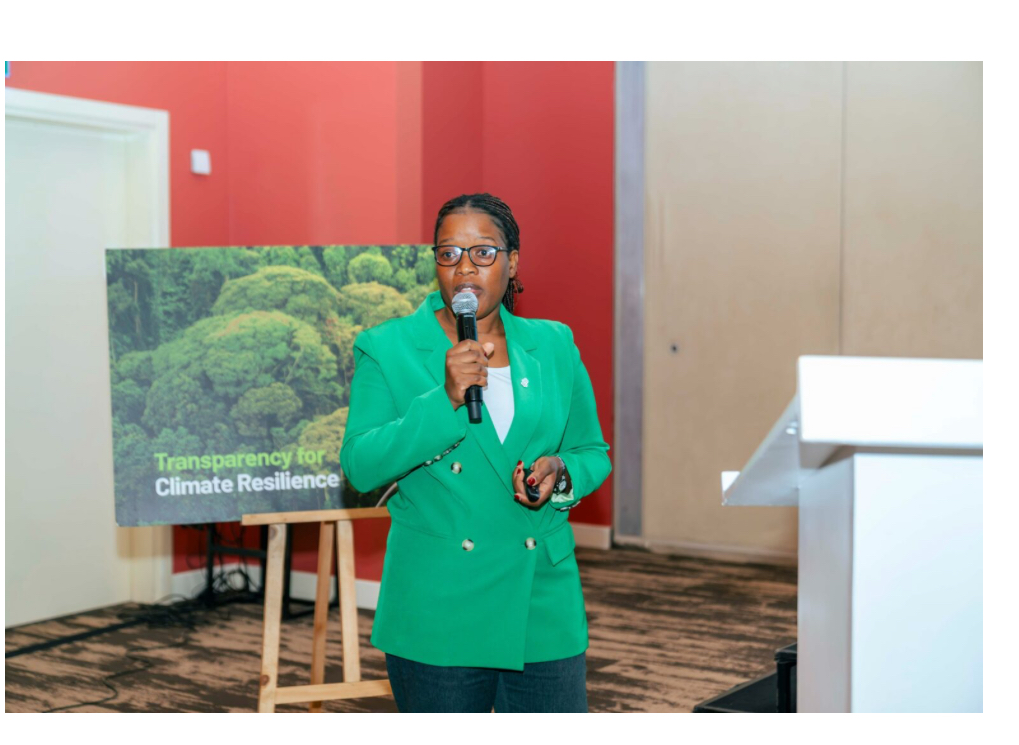
Faustin Munyazikwiye, Deputy Director General of REMA, said the level of vulnerability is largely determined by the capacity of communities to withstand and recover from disasters.
“These districts are more vulnerable than others. The common factor is the citizen’s capacity to cope with disasters,” he explained. “In places like Gisagara, Ngoma, Nyagatare, and Gatsibo, drought is the recurring threat. The sun stays too long and dries up everything. But what unites them is how well citizens can stand against it.”
The reports show that between 2014 and 2023, climate-related disasters claimed the lives of 1,595 people and injured 2,368 others. More than 62,000 houses were damaged, while over 38,000 hectares of cropland were destroyed by floods, landslides, droughts, and other extreme weather events.
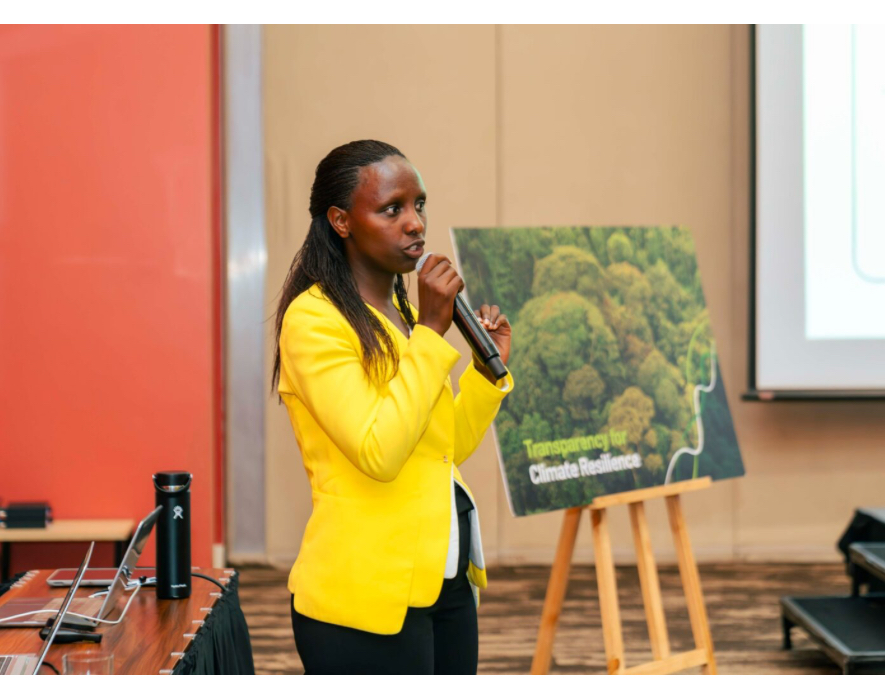
Henriette Peace Uwamahoro, Acting Mainstreaming of Environment and Climate Specialist at REMA, noted that these figures demonstrate the urgency of strengthening climate adaptation efforts and building resilience across vulnerable communities.
To address these challenges, Rwanda’s NDC 3.0 requires an estimated investment of USD 12 billion by 2035. Of this amount, 60 percent will be dedicated to adaptation measures aimed at helping communities cope with climate impacts, while 40 percent will support mitigation actions to reduce greenhouse gas emissions.
The government expects to mobilize 18 percent of the required funding through domestic resources, while the remaining 82 percent will depend on international climate finance and private sector investments.
Agriculture remains a key priority under the new strategy, given its significant contribution to Rwanda’s economy and employment. The sector currently contributes between 25 and 27 percent of the country’s Gross Domestic Product and supports millions of livelihoods.
Planned interventions include the promotion of climate-resilient crop varieties, expansion of irrigation systems, increased access to crop and livestock insurance, and wider adoption of soil erosion control measures. The government aims to increase the proportion of land protected against erosion from 68 percent to 92 percent and double irrigated farmland coverage from 5 percent to 10 percent.
In the energy sector, Rwanda plans to accelerate investments in renewable energy sources, including solar power, hydropower, and methane gas from Lake Kivu. The country is also promoting electric mobility and cleaner cooking technologies to reduce dependence on biomass fuels.
Munyazikwiye highlighted the progress already achieved through several environmental initiatives.
“There has been a huge transformation in the hills, with trees planted across the country and schools and institutions shifting from firewood to gas,” he said. “There was also a major project implemented in the Amayaga region by REMA, the Ministry of Environment, and other partners. All these efforts are helping districts build resilience.”
Data from Rwanda’s latest greenhouse gas inventory indicate that national emissions increased from 2.4 million tonnes of carbon dioxide equivalent (CO₂e) in 2006 to 7.8 million tonnes in 2022. Agriculture remains the largest source of emissions, accounting for 39 percent, followed by the energy sector at 18 percent.
However, Rwanda’s forestry and land-use sector continues to play a critical role in absorbing emissions through reforestation and ecosystem restoration initiatives.
The NDC 3.0 also introduces measures to address climate-related loss and damage. These include strengthening early warning systems and expanding the use of advanced technologies such as Artificial Intelligence (AI) and Geographic Information Systems (GIS) to improve weather forecasting and disaster preparedness.
In addition, Rwanda has committed to achieving 22 biodiversity conservation targets by 2030 and plans to invest approximately USD 335.6 million in biodiversity restoration and ecosystem protection efforts.
Looking ahead, Munyazikwiye described the NDC 3.0 as a transformative opportunity for Rwanda.
“This plan is an opportunity to build a green economy, create climate-friendly jobs, and move Rwanda closer to its vision of becoming a climate-resilient and low-carbon country by 2050,” he said.
With clear targets, strong political commitment, and growing investment in climate resilience, Rwanda hopes the NDC 3.0 will not only protect citizens from the increasing impacts of climate change but also drive sustainable development for future generations.
By:Florence Uwamaliya


