
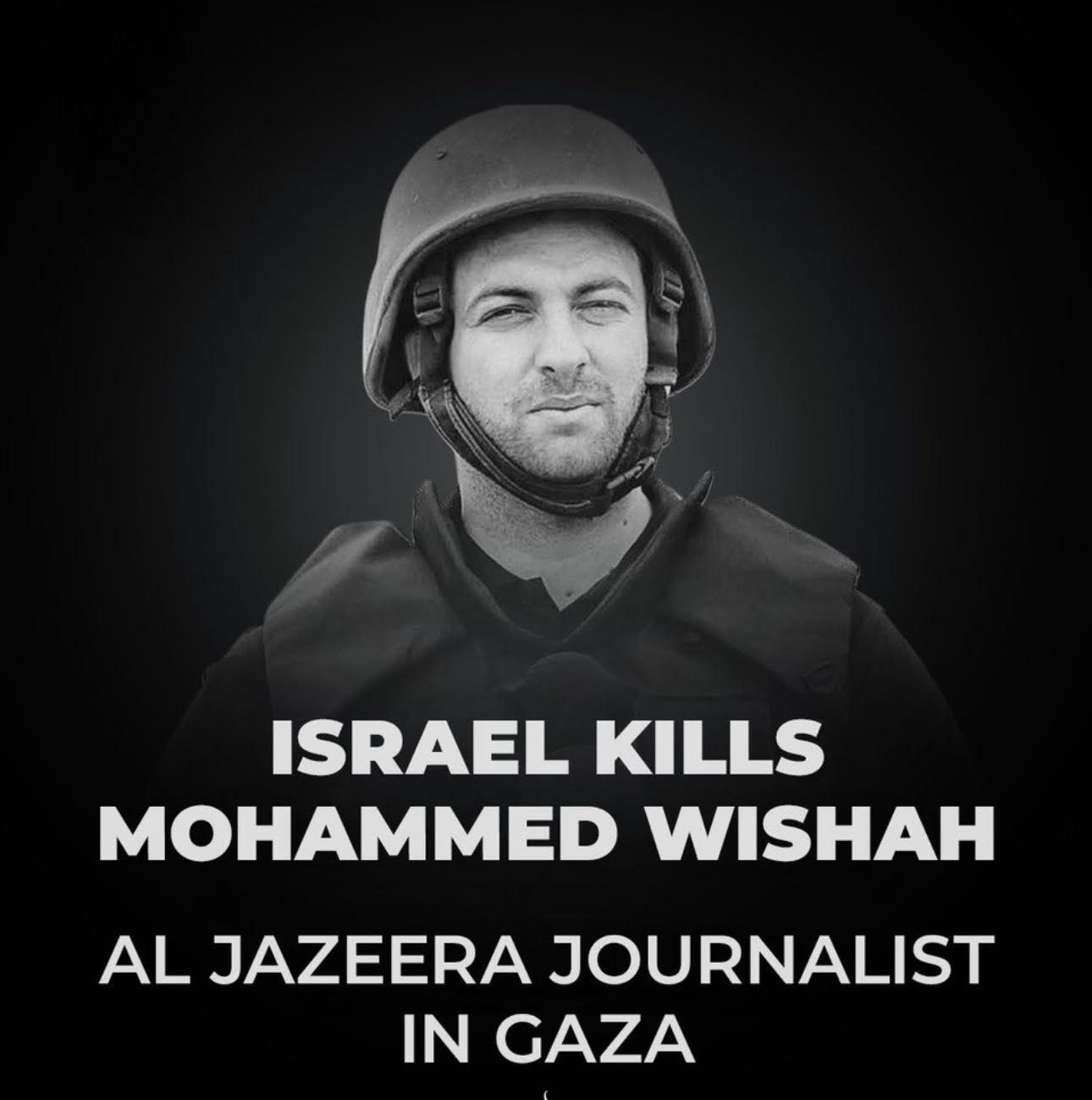
Al Jazeera Correspondent Mohammed Wishah Killed in Israeli Drone Strike in Gaza
Al Jazeera journalist Mohammed Wishah was killed in a drone strike carried out by Israeli forces targeting the car he was traveling in within the Gaza Strip. His death has once again raised serious concerns about the safety of journalists operating in conflict zones, as well as the growing humanitarian impact on civilians and media personnel in the region.
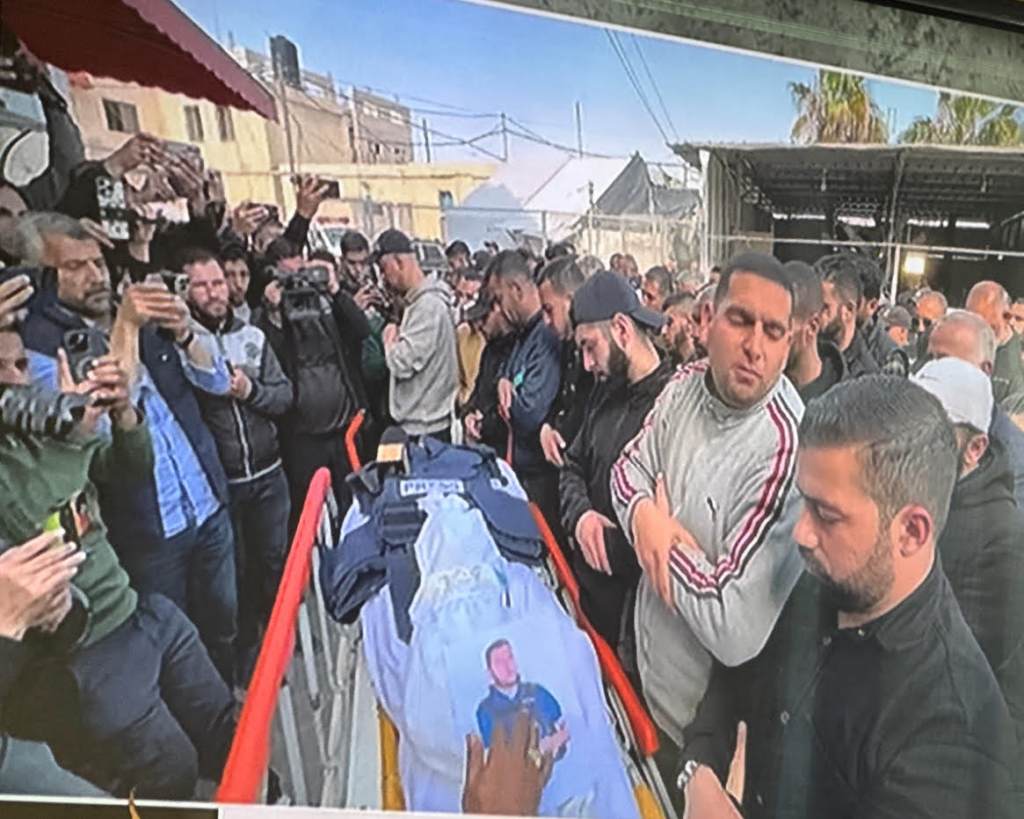
According to officials from Al Jazeera, Mohammed Wishah was performing his routine reporting duties, covering the effects of ongoing hostilities between Israel and armed groups in Gaza. While traveling in his vehicle, a drone fired a missile that struck him directly, killing him instantly, while others in the car were seriously injured.
His death has been met with deep sorrow across the international journalism community, particularly among reporters who work in war zones where their daily operations carry extreme risk. Global organizations that protect press freedom have called for an independent investigation into the strike to determine whether international humanitarian laws were violated.
This incident comes amid a recently announced 14-day ceasefire between the United States and Iran. However, emerging reports indicate that the ceasefire has not been fully respected, especially in Gaza and Lebanon, where Israeli military operations continue. Iranian media have condemned Israel’s actions, describing them as a “breach” of the ceasefire agreement.
In a related development, Iranian outlets released a map highlighting the strategic Strait of Hormuz, emphasizing its critical role in global oil trade. The Strait of Hormuz is a key waterway through which a significant portion of the world’s oil shipments pass, making it a potential focal point for regional tensions and strategic leverage.
Analysts suggest that releasing the Hormuz map may serve as a political message, signaling that Iran has the capability to disrupt global oil trade if its interests are threatened, while Israeli strikes continue to target Iranian-backed groups. Such moves could pressure international actors to intervene and push for a more comprehensive and lasting ceasefire.
On the other hand, Israel has not commented directly on the death of Mohammed Wishah, but has reiterated that its military operations aim to counter armed groups operating in Gaza. This stance has drawn international criticism, with human rights organizations pointing out that military actions often affect civilians and non-combatants, including journalists.
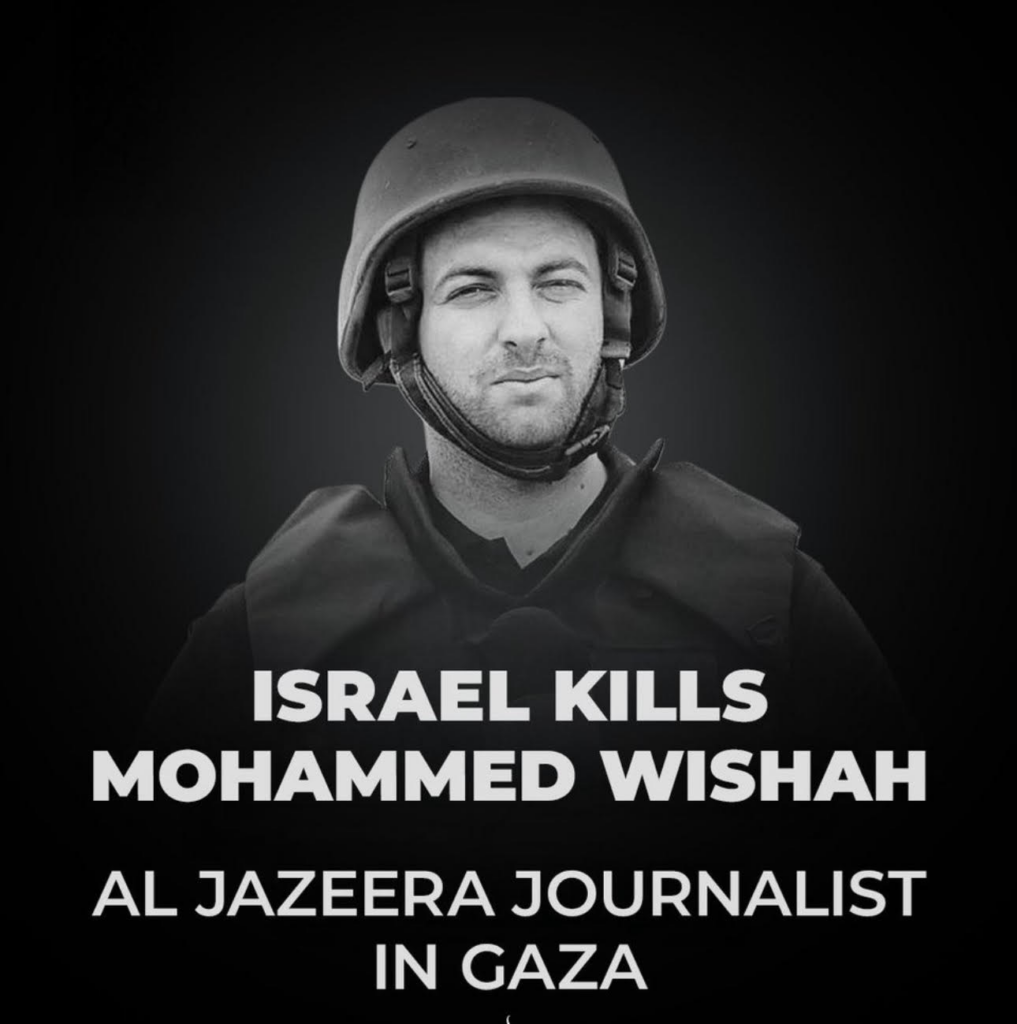
The killing of Mohammed Wishah underscores the ongoing dangers faced by media workers in conflict zones. Reports show that the number of journalists killed in war-torn areas has risen sharply in recent years, particularly in the Middle East, highlighting the severe risks involved in frontline reporting.
Overall, this incident illustrates the complex and escalating nature of the conflict involving Israel, Iran, and affiliated groups. Civilians and journalists continue to bear the brunt of hostilities, and the pursuit of lasting peace remains a difficult and uncertain journey. While international calls for dialogue and ceasefires persist, events like the drone strike on Mohammed Wishah demonstrate how fragile the path to peace remains.
By:Florence Uwamaliya


