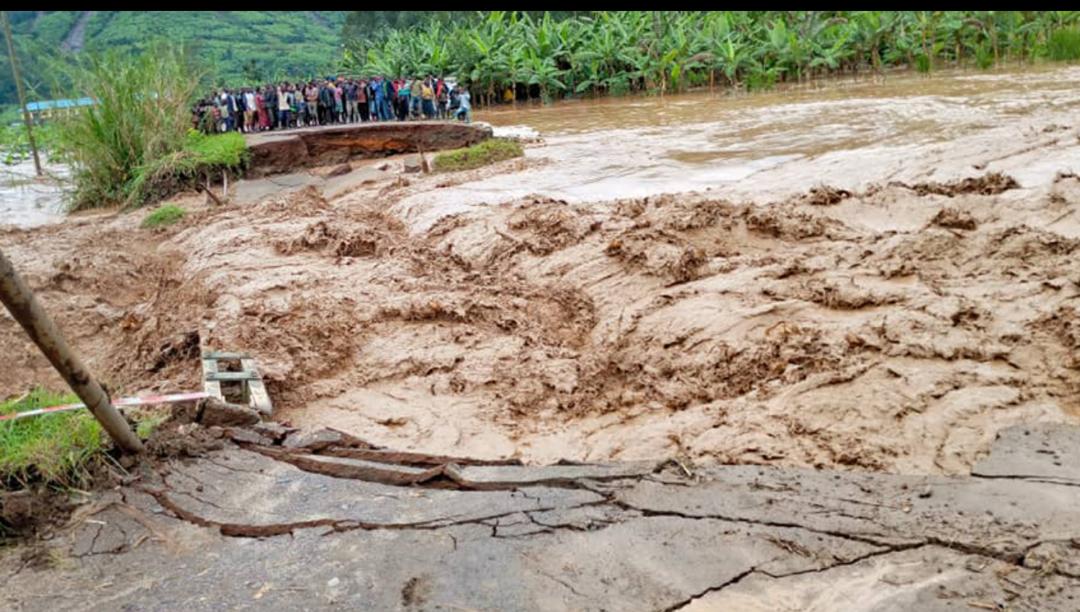
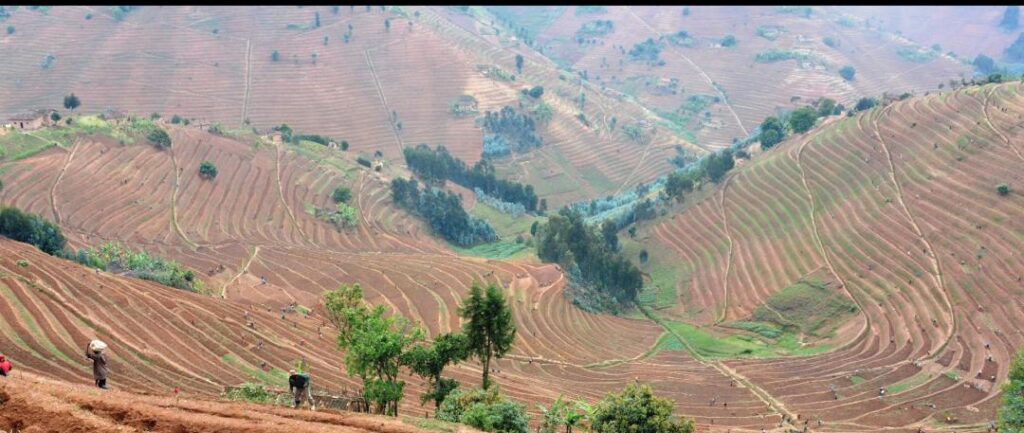
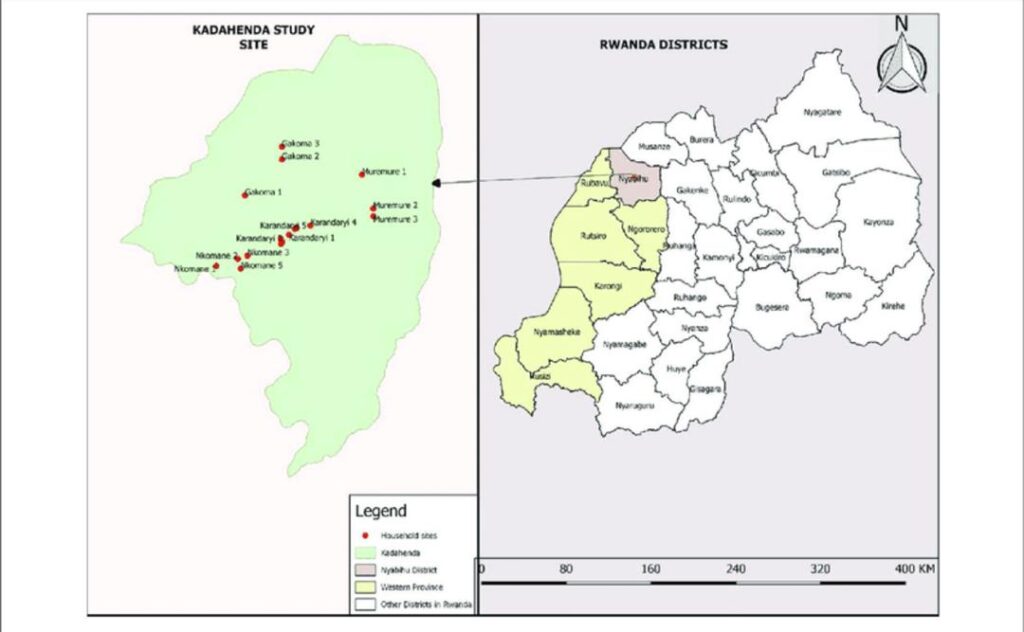
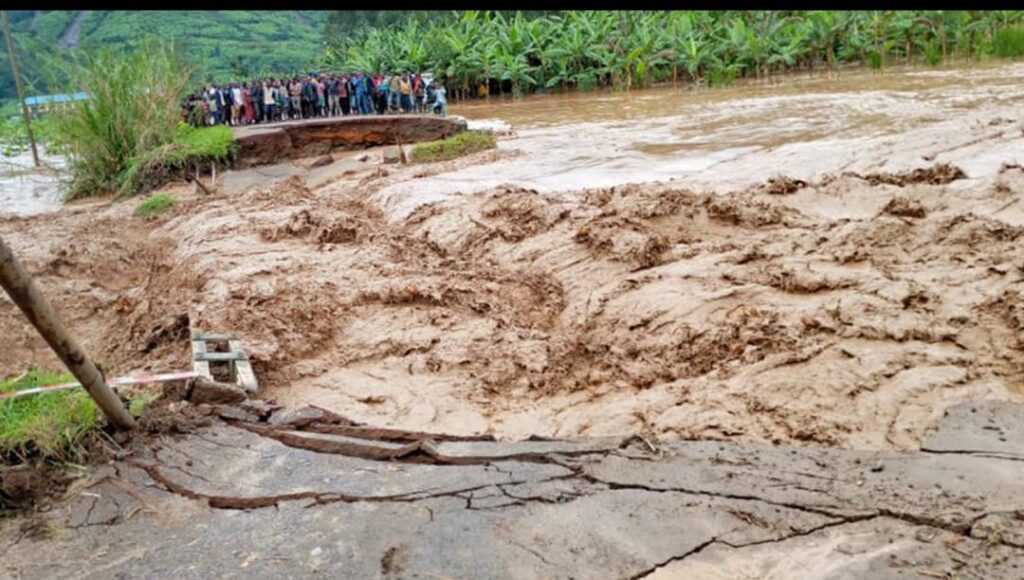
Akarere ka Nyabihu gafite ubuso bwinshi bw’ imisozi ihanamye, bikaba bituma 90% by’uturere tugize ako karere ari imisozi ihanamye.
Umuyoboro w’amazi n’imigezi (torrents) ukomeye usanga mu career, kandi ubutaka buba buhanamye cyane cyane mu bibaya byegeranye na ako karere ibi byose bigatuma gucika kw’ubutaka (landslides) bibaho kenshi.
Akarere ka Nyabihu kohereza imvura iboneka buri mwaka iri hafi ya 1,300 mm mu bushakashatsi bumwe, ugereranyije n’abandi mu Ntara y’Iburengerazuba.
Mu bushakashatsi “Spatial analysis of the impacts of landslides occurrence… A case study of Nyabihu district”, byagaragaje ko hafi 49.77% by’akarere ka Nyabihu kiri mu rwego rwa “high landslide susceptibility” (gushobora kwibasirwa cyane na landslides), naho 2.54% kiri mu rwego rwa “very high susceptibility”.
Mu kigereranyo cy’igihugu “National Risk Atlas of Rwanda”, akarere ka Nyabihu kagaragazwa nka kamwe mu karere gafite “highest percentage of population exposed to landslides at high susceptibility”.
Mu gihe cy’imvura nyinshi mu kwezi kwa Kane 2025, mu Rwanda hose byagaragaye ko abantu 52 bahitanywe na disasters ziterewe n’imvura mu minsi 16 gusa, ndetse imwe mu turere twavuzwe harimo Nyabihu.
Umuyoboro w’amakuru wagaragaje ko mu gihe cyo gutegura umwaka wa 2024, imvura mu turere nka Nyabihu yagize ibyago byo kugwa hagati ya 700-800 mm mu gihembwe kimwe (werurwe -Gicuransi)mu bice byayo by’amajyaruguru cyangwa iburengerazuba.
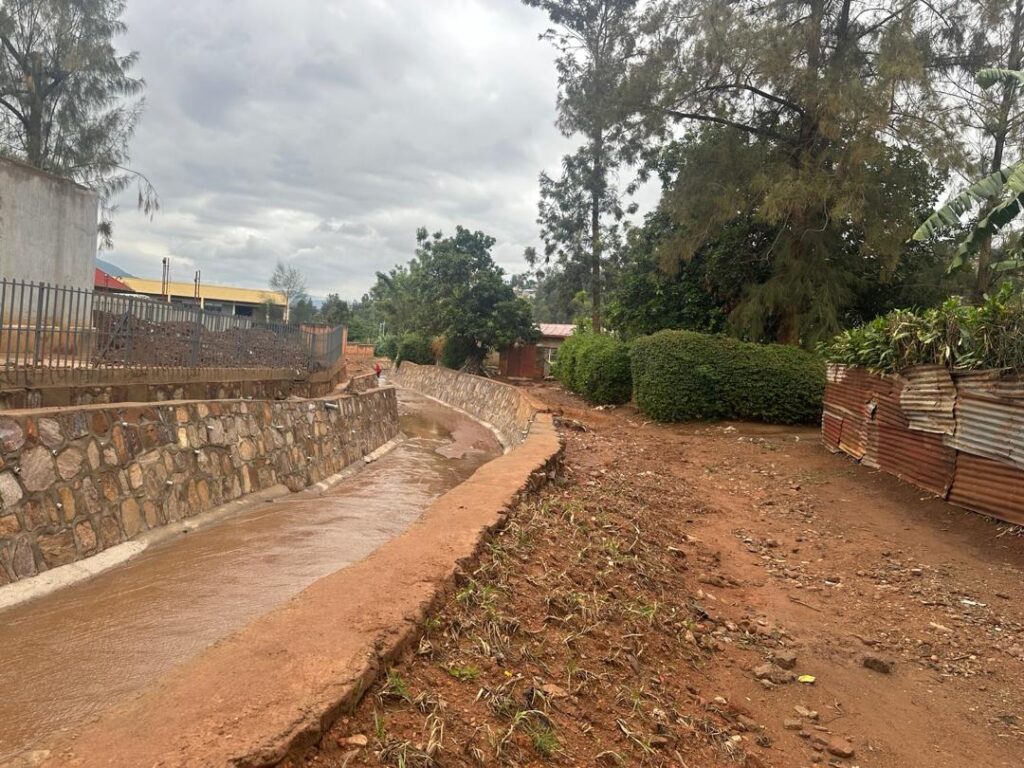
A nine-year-old girl was swept away by floods in Gitega Sector, Nyarugenge, on Friday as heavy rains hit Kigali, highlighting persistent drainage challenges along the Mpazi channel.
Mpazi
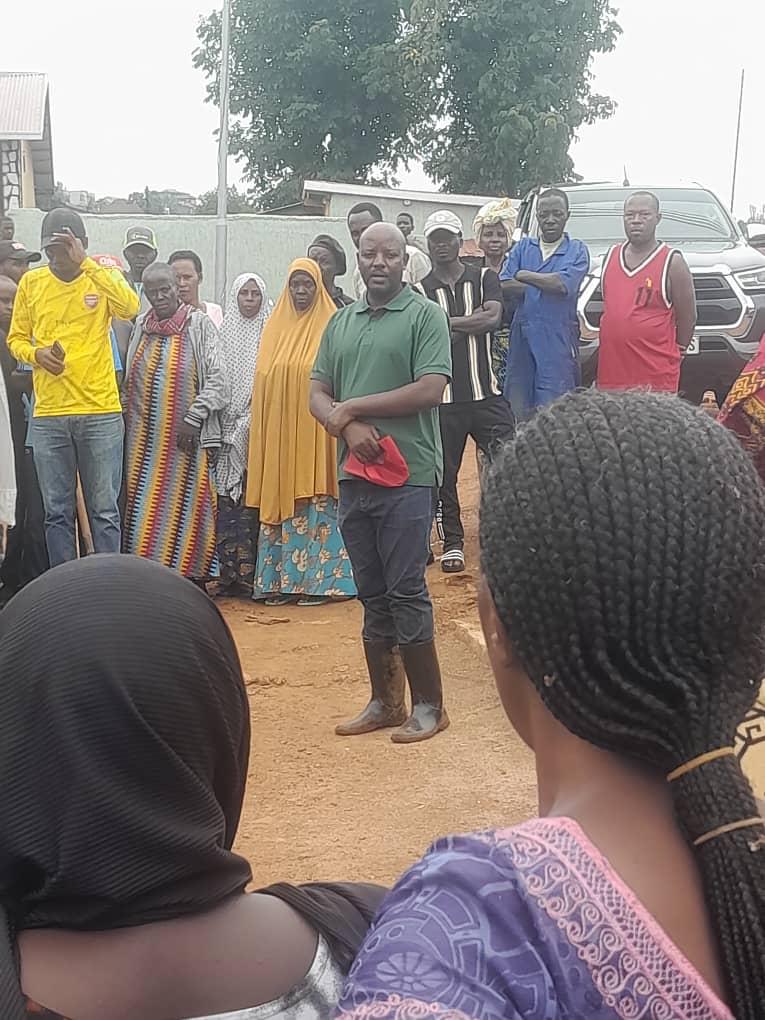
According to residents of Insinzi Village, the child has not yet been found despite continuous search operations by security organs and local volunteers. Two adults, a man and a woman, were rescued after their house collapsed into the flooded area.
Mugambira, the Executive Secretary of Gitega Sector, confirmed the tragedy and comforted the affected family. He urged residents to take precautions whenever it rains.
Mugambira, the Executive Secretary of Gitega Sector, confirmed the tragedy and comforted the affected family.
“We have warned families against building too close to Mpazi, but some still ignore these messages. This tragedy is a painful reminder,” he said.
Early on Friday morning, local authorities, including officials from the City of Kigali and the District of Nyarugenge, joined residents in a search operation and community cleanup, though the girl remained missing by evening.
Madame Umuhoza Clarisse, the District Infrastructure Officer, said the incident showed the urgent need to accelerate rehabilitation works along Mpazi.
“We are working with the City of Kigali and partners to increase the drainage capacity and prevent future losses,” she said.
Mpazi Channel carries rainwater from Mount Kigali and Nyamirambo down to Nyabugogo wetlands. Studies show water levels can rise between 1.5 and 2 meters, with strong flow caused by steep slopes.
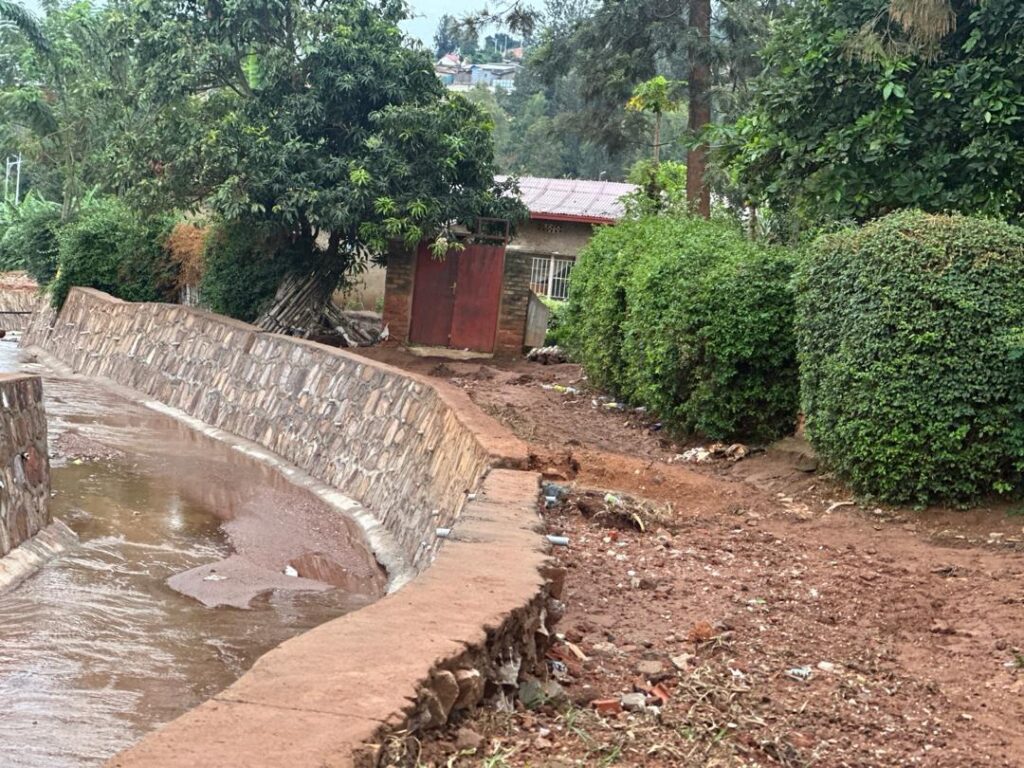
The first major construction on Mpazi was carried out around 2012–2013, but engineers later observed that some parts were too shallow, reducing capacity. A technical report under the Climate Resilient and Flood Proof Nyabugogo Project identified Mpazi as a key hotspot for urban flooding.
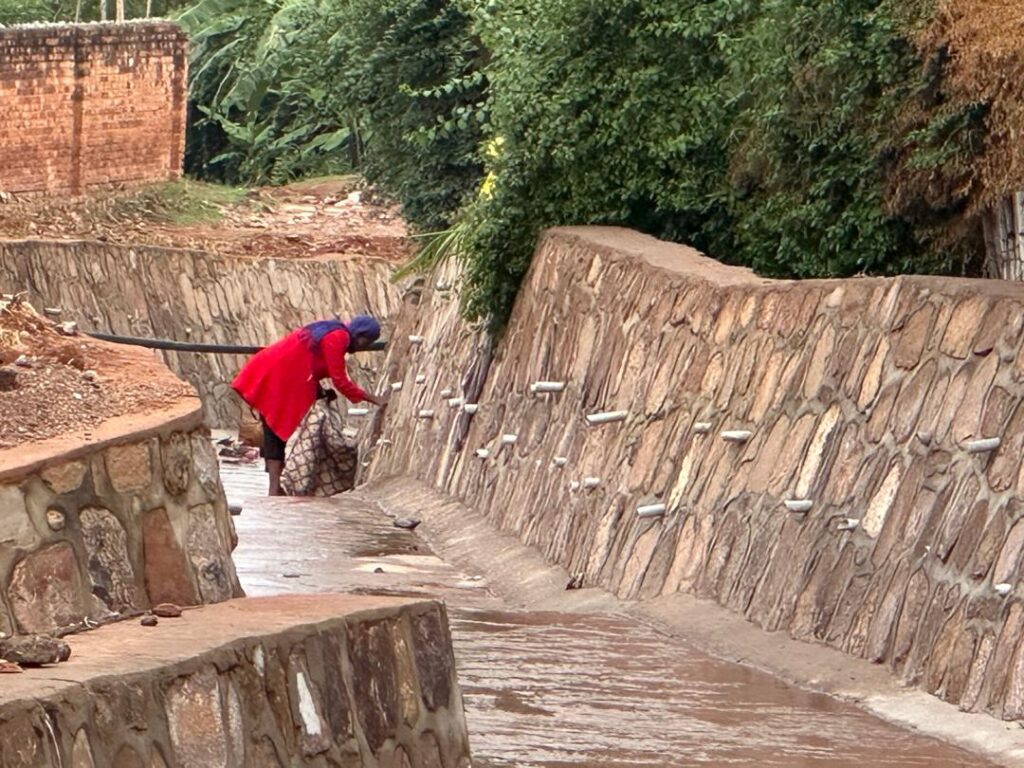
One of the people affected by the floods is trying to recover her belongings in Mpazi.
Local resident Salomo Shumbusho told Imena News that design flaws made the situation worse.
“They reduced the depth instead of expanding it. Now, even small rains fill it up immediately,” he said.
Mukamana Dansira, another resident, agreed:
“When they repaired it, we thought it would help. But now water moves faster and damages houses. Maybe the study wasn’t done well.”
According to Kigali City records, the Mpazi Drainage Rehabilitation Project is part of a wider flood control initiative worth RWF 12 billion, co-funded by the Government of Rwanda and the Green Climate Fund. The Gitega–Mpazi section alone costs around RWF 7 billion, covering 2.1 kilometers of reinforced channels, bridges, and protection walls.
Officials said the works will protect homes but warned that people near the channel should relocate.
As the search for the missing girl continues, Executive Secretary Mugambira reminded parents to protect their children during rainstorms.
“We can’t stop the rain, but we can stop preventable deaths,” he said.
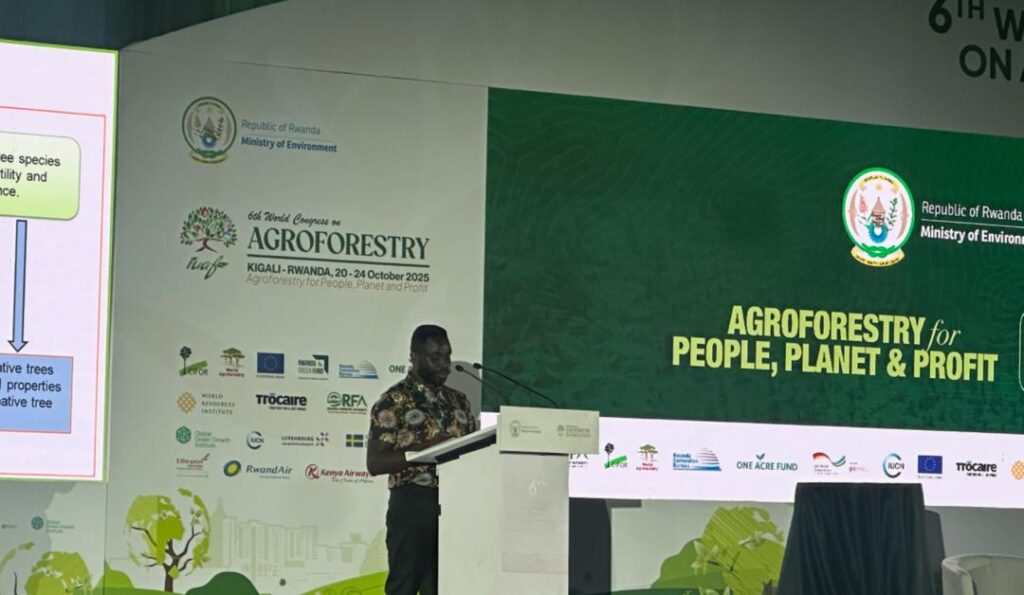
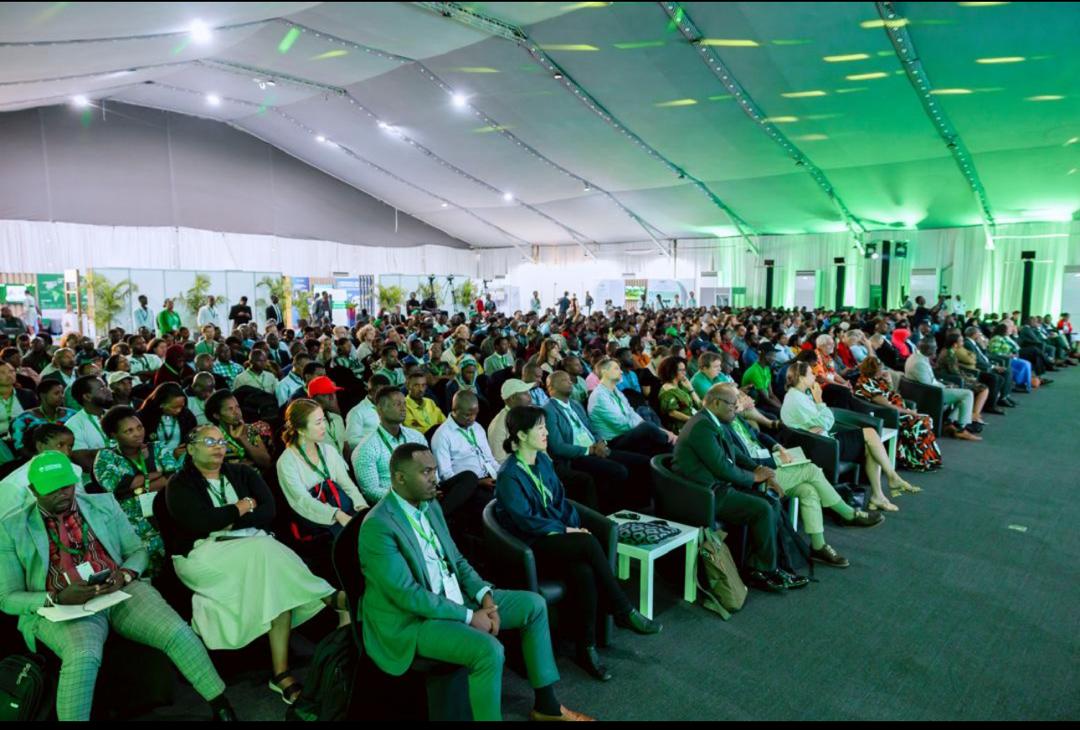
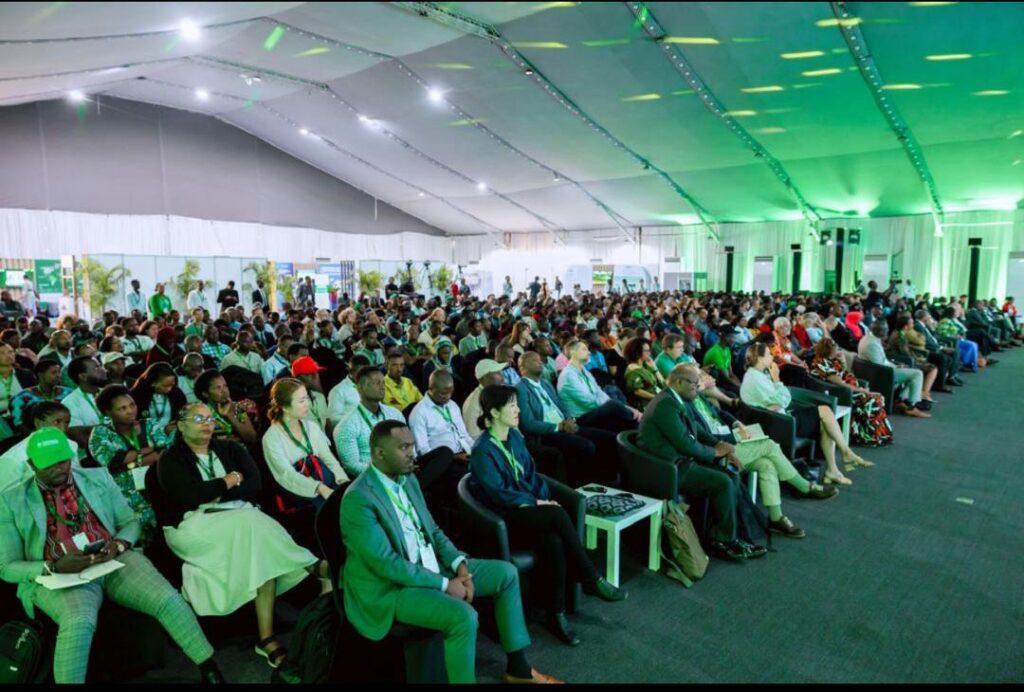
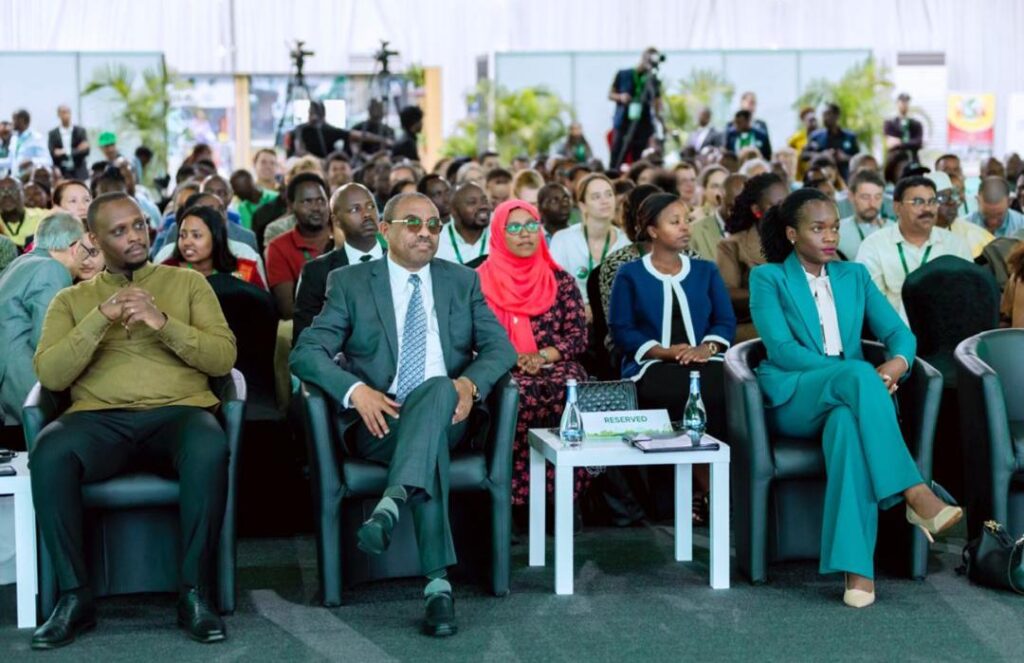
Kigali, Rwanda — From restoring degraded forests to empowering local cooperatives, Rwanda’s community-driven forestry programs are gaining global praise. Experts, policymakers, and researchers meeting in Kigali for the 6th World Congress on Agroforestry highlighted the country’s success in turning restoration goals into daily practice.
More than 38 countries attended the congress, where Rwanda shared its experience in combining biodiversity protection, sustainable agriculture, and climate action. Key panelists included Dr. Elias Yusuru, a leading biodiversity researcher; Dr. Laura Miranda from the Common Island Environment Project; Jean Bucaramondo from the Rwanda Green Fund; and representatives from the Swedish Embassy, CIFOR-ICRAF, and IUCN.
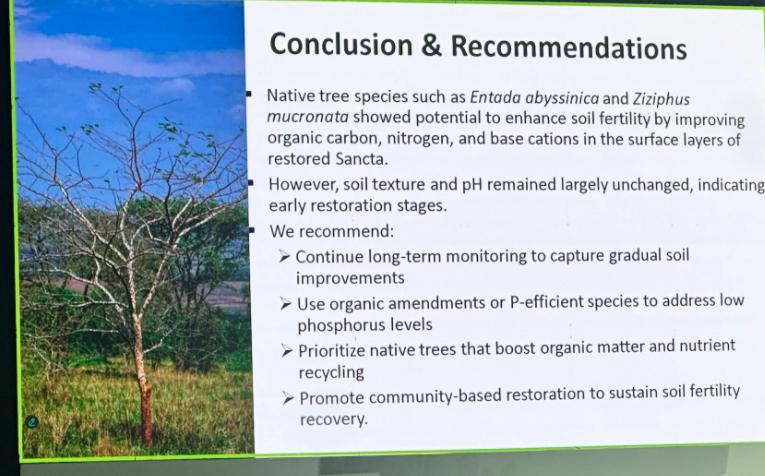
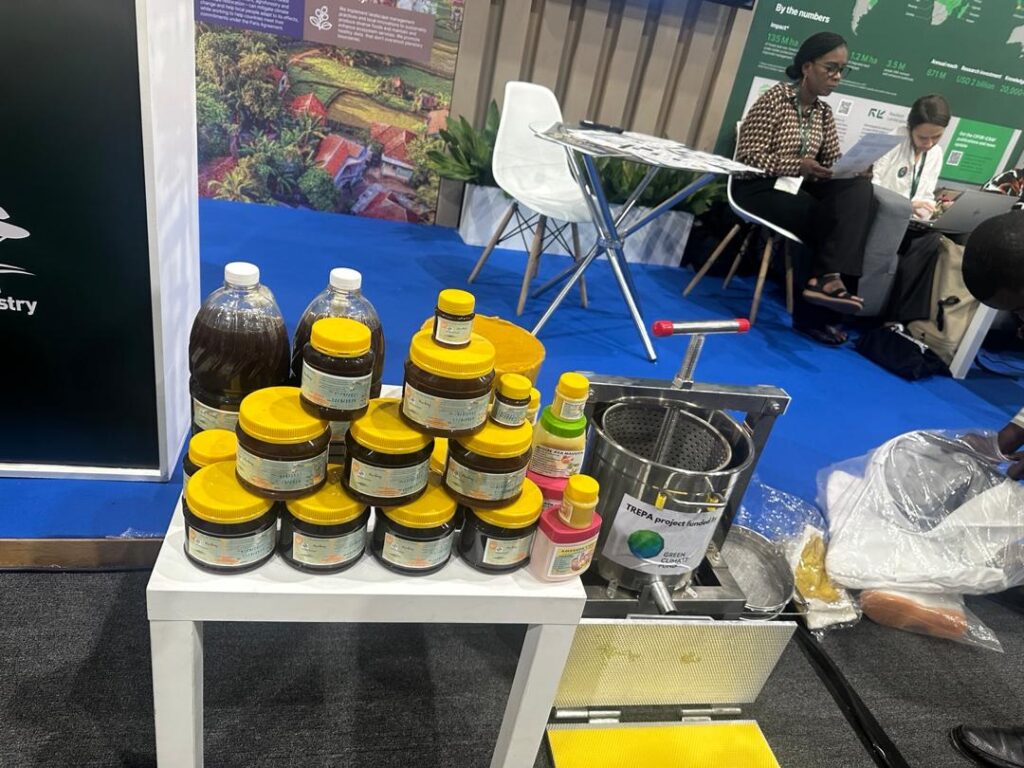
One of the most celebrated initiatives discussed was the creation of Abyssinian Sanctuaries, community-managed forest zones where endangered trees like Neospherus abyssinica are being revived. Once found in only 20 individual trees across the eastern region, the species now boasts over 5,000 young seedlings, thanks to joint efforts between researchers and local cooperatives.
“We don’t just plant trees — we take care of them like children,” said Annonciata Mukandori, a local farmer from Nyamagabe who manages a cooperative in one of the sanctuaries. “From the shade of these trees, we now produce honey, fruits, and even medicinal plants. Our income has increased, and so has our pride in protecting nature.”
Officials from the Ministry of Environment and the Rwanda Forestry Authority reaffirmed that such programs reflect Rwanda’s long-term vision under the National Biodiversity Strategy and Action Plan (2020–2030) and the Fifth Strategic Plan for Agricultural Transformation. Both emphasize ecosystem restoration, gender inclusion, and community-led conservation.
The Minister of Environment urged citizens to care for trees beyond the planting stage: “A tree must be followed from seedling to maturity. That’s how we protect our land and our children’s future.”
With support from partners such as SIDA, CIFOR-ICRAF, and the Green Conservation Society, Rwanda continues to turn environmental policies into tangible results — healthier soils, greener hills, and empowered citizens.
As one participant concluded, “Rwanda’s model proves that restoration is not a dream. It’s a daily act — growing roots for both people and the planet.”
Mu gihe isoko ry’u Rwanda rikomeje kugaragaramo ibicuruzwa byinshi bivugwa ko bifasha abagore kubungabunga ubuzima bw’imyororokere, inzego z’ubuzima zisaba abagore kugira ubushishozi no kwirinda gukoresha ibyo bicuruzwa bitagenzuwe n’inzego zibishinzwe, kuko bishobora kubagiraho ingaruka zikomeye ku buzima.
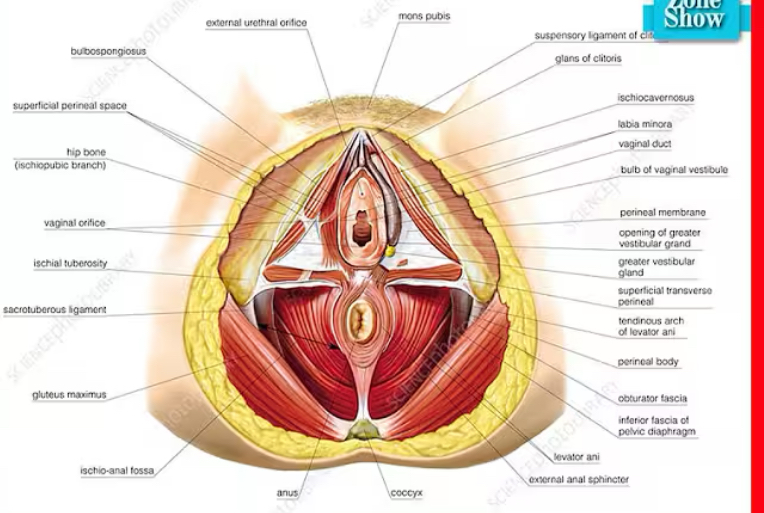
Abaganga mu by’ubuzima bw’imyororokere bavuga ko hari imiti, amavuta n’utundi twitwa “ibikoresho byisuku” byinjizwa mu myanya ndangagitsina, bigamije gukuraho umunuko, gusubiza ubukare cyangwa kongera ububobere, nyamara byinshi muri byo bidafite icyemezo cya Rwanda FDA.
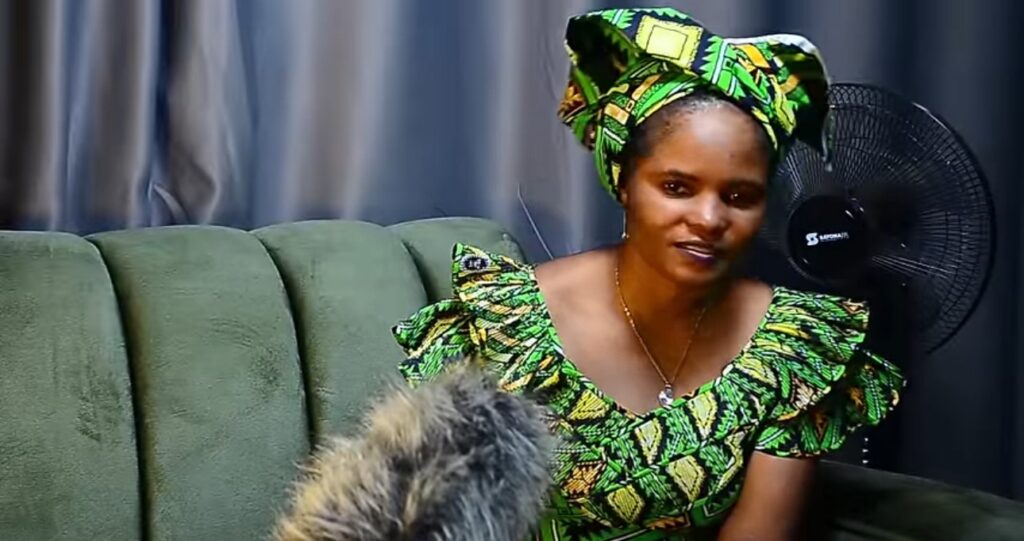
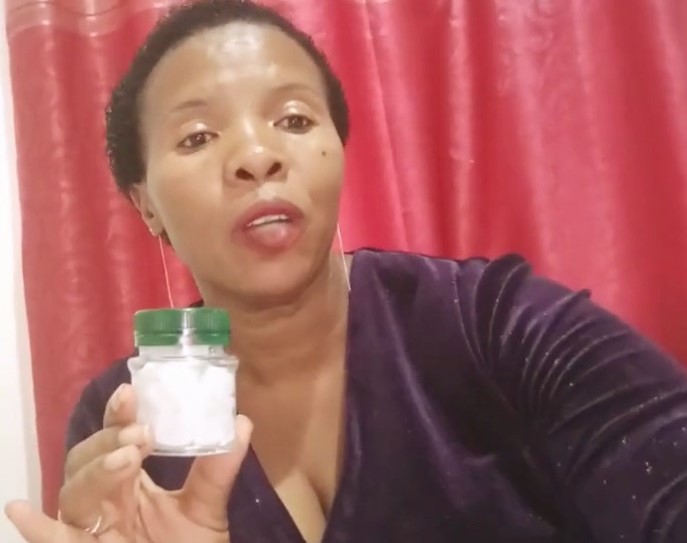
Sarah Bikoribizi uzwi kw’izina rya Dr.vimbisha uvura Kinyarwanda yagize Ati.”Abagore benshi baza bangana Bambara ko bafite ibibazo byo kubura mavangingo.”
Komeza avugako abagira inama zo gukoresha utubuye bita sweet mama kuko tubazanira amavangingo .
Dr. Claudine Uwimana, umuganga mu bitaro bya Muhima, avuga ko “ibicuruzwa bidafite ubuziranenge bishobora gutera indwara zifata imyanya ndangagitsina (infection), kuzana ibisebe imbere, ndetse n’ingaruka z’igihe kirekire ku mikorere y’imyororokere.”
Yongeraho ko hari n’abagore bajya bagira ihungabana rishingiye ku mitekerereze (stress cyangwa depression) bitewe n’ingaruka z’ibyo bintu bakoze batabigishijwe.
Ku ruhande rwa Rwanda FDA, iyi nzego isaba abakora n’abacuruza ibicuruzwa bijyanye n’ubuzima kubanza kubyemeza no kubisuzumisha mbere yo kubigeza ku isoko. Mu itangazo aherutse gutangaza, Rwanda FDA yibukije ko “ibicuruzwa byose bikoreshwa ku myanya ndangagitsina bigomba kuba byujuje ubuziranenge kandi byanditse ku rutonde rw’ibyemejwe.”
Ubushakashatsi bwakozwe n’Ikigo cy’Igihugu gishinzwe Ubuzima (RBC) mu 2024 bwerekanye ko abagore 38% bigeze kugira infections zituruka ku ikoreshwa ry’imiti cyangwa amavuta batamenye inkomoko yayo.
Abaganga bavuga ko iyi mibare ikwiye kuba isomo rikomeye ku bakoresha ibyo bicuruzwa mu buryo butagenzuwe.
Dr. Uwimana asaba abagore “kugisha inama umuganga igihe cyose bashaka gukoresha igicuruzwa cyose kijyanye n’imyororokere,” kandi akibutsa ko isuku y’inyuma y’umubiri, imyambaro y’imbere y’ibyuma byoroshye, no kunywa amazi ahagije ari byo bituma imyanya ndangagitsina igira ubuzima bwiza.
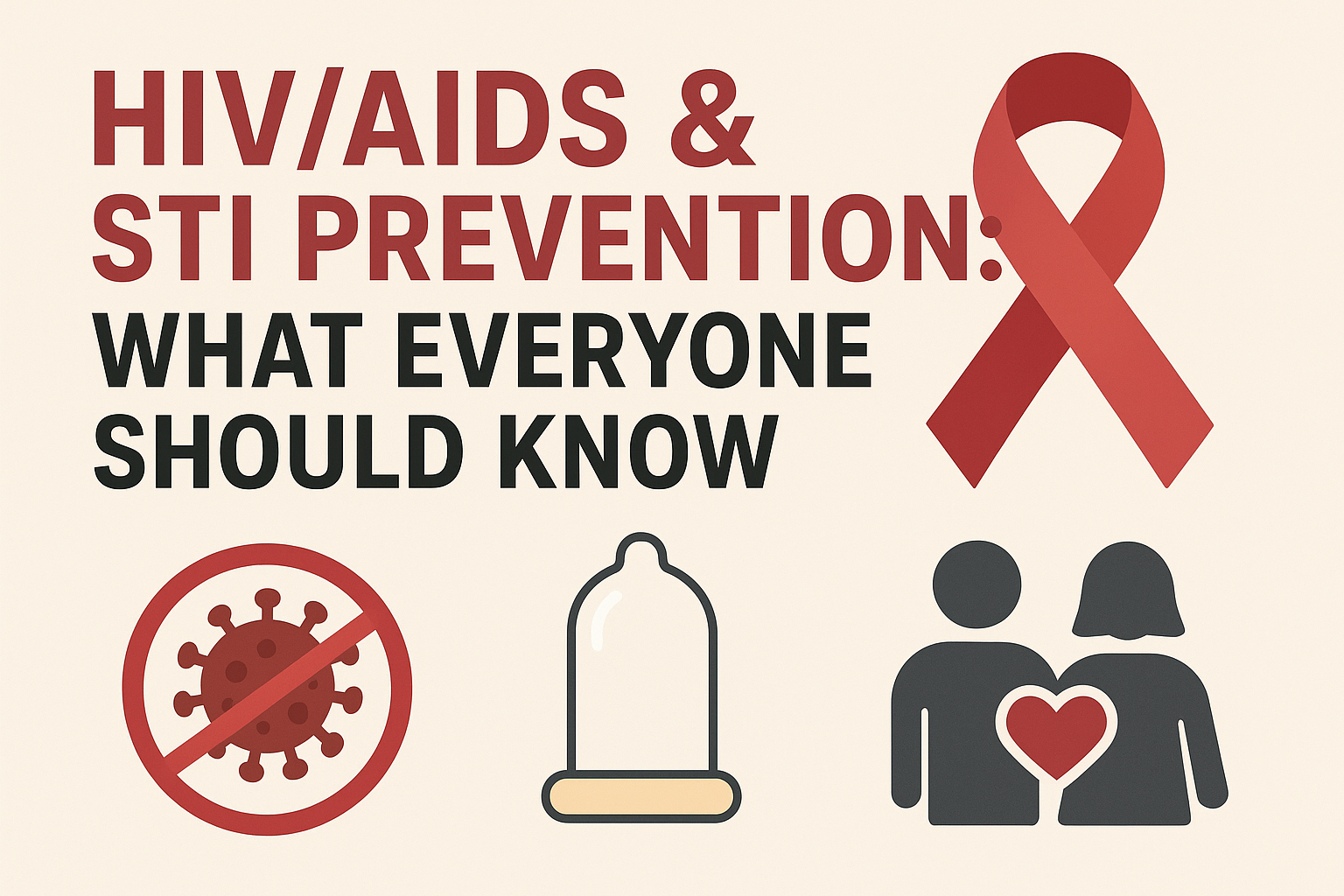
HIV/AIDS and other Sexually Transmitted Infections (STIs) continue to affect many young people and adults around the world. Understanding how these infections spread and how to prevent them is an important step in protecting your health and the health of your community.
HIV (Human Immunodeficiency Virus) is a virus that weakens the immune system, making it hard for the body to fight infections. If untreated, HIV can lead to AIDS (Acquired Immunodeficiency Syndrome), a condition where the immune system becomes severely damaged. Other STIs, such as gonorrhea, syphilis, chlamydia, and hepatitis, can also cause serious long-term health problems if not treated early.
The most common way HIV and STIs spread is through unprotected sexual contact, sharing needles, or from a mother to her baby during pregnancy, childbirth, or breastfeeding. However, the good news is that HIV and many STIs are preventable, and some are even treatable or curable if detected early.Prevention starts with making informed and responsible choices.
Abstaining from sexual activity is the most effective method, but if one chooses to be sexually active, consistent and correct condom use greatly reduces the risk of infection. Getting tested regularly is also very important, as many STIs do not show symptoms at the early stage. Early testing helps in receiving quick treatment, which protects both you and your partner.Open communication with partners about sexual health, testing history, and safe practices builds trust and reduces risk. Avoiding the sharing of needles or sharp objects also prevents transmission.
Pregnant women are encouraged to attend antenatal clinics where they can receive HIV testing and medication that helps protect the baby.Education, awareness, and stigma-free conversations are key to fighting HIV/AIDS and reducing STIs. When communities support each other by promoting safe practices, regular testing, and early treatment, everyone becomes safer and healthier.
I Kigali hateraniye inama mpuzamahanga ya 6th World Congress on Agroforestry, igamije kugaragaza uburyo ubuhinzi bujyanye n’ibiti bushobora guteza imbere imibereho y’abaturage, kurengera ibidukikije no guteza imbere ubukungu. Insanganyamatsiko y’uyu mwaka igira iti: “Agroforestry for People, Planet & Profit.”
Minisitiri w’Ibidukikije mu Rwanda,
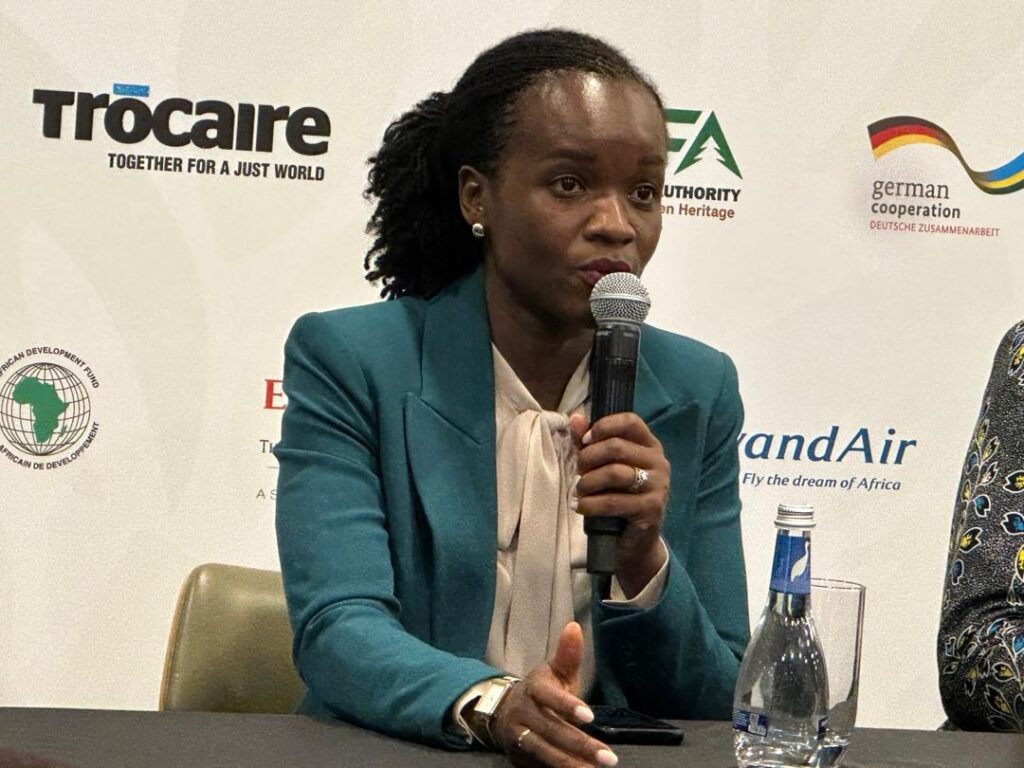
Dr. Bernadette Arakwiye yagaragaje ko gutera igiti bidahagije, ahubwo ko kwita ku biti no gukurikirana igiti kugeza gikuze ari ingenzi, kugira ngo ubutaka butangirika kandi abaturage babone inyungu zifatika. Yagize ati: “Ni ngombwa gukurikirana igiti, kwita ku mashyamba, ndetse no gushyiramo ibikorwa byungura abaturage nk’imitiba y’inzuki cyangwa ubuhinzi bw’ibiti bifite agaciro k’ubucuruzi.”
Dr. Bernadette Arakwiye, Minisitiri w’Ibidukikije mu Rwanda
Abahinzi batandukanye bagaragaje uburyo batunganya ibikorwa byabo mu mashyamba ya Nyungwe na Ikaza Nyaruguru, aho buri wese afite umwihariko: umwe yita ku mitego y’inzuki ikabyara ubuki, undi ahinga icyayi n’ibiti by’imbuto.
Bwana Eric Niyonzima, umuhinzi w’inzuki, avuga ko ubu abona ubuki kandi imbuto ze ziriyongera kubera uburyo yita ku biti. Yagize ati: “Imitego y’inzuki ifasha mu gukora pollination, bityo imbuto zanjye zikiyongera, kandi mbona ubuki bwiza bwo kugurisha ku isoko.”
Madamu Aline Mukamabano, umuhinzi w’ibiti n’icyayi, avuga ko abagore bafite uruhare runini mu guteza imbere agroforestry. Abagore n’abagabo bakorana kugira ngo bashyire mu bikorwa ibikorwa by’ubuhinzi bujyanye n’ibiti, bifasha mu kurengera ubutaka, kongera umusaruro, no kubona inyungu z’ubukungu.
Minisitiri Arakwiye yibukije ko gahunda ya agroforestry igomba gukorwa ku bufatanye n’abaturage bose, abagabo n’abagore, kandi bagakurikiranwa mu buryo buhoraho. Yagize ati: “Ubuhinzi bujyanye n’ibiti si by’abagabo cyangwa abagore gusa; buri wese agomba kugira uruhare, kuko iterambere rirambye rishingira ku bose.”
Abayobozi b’akarere n’abahinzi bo mu mashyamba ya Nyungwe na INyaruguru bakomeje gushyigikira gahunda ya agroforestry. Abaturage barishimira ubuki, imbuto, ubutaka burambye, n’ubucuruzi buturuka mu mashyamba yabo, kandi uburyo bwabo bwo kwita ku biti no ku mitego y’inzuki butanga inyungu ku buryo burambye.
Inama ya 6th World Congress on Agroforestry yerekanye ko u Rwanda rukomeje kuba intangarugero mu guteza imbere ubuhinzi bujyanye n’ibiti, aho abaturage n’abayobozi bafatanya, bagaharanira iterambere rirambye ry’ikirere, ubutaka, n’ubukungu bw’abaturage.
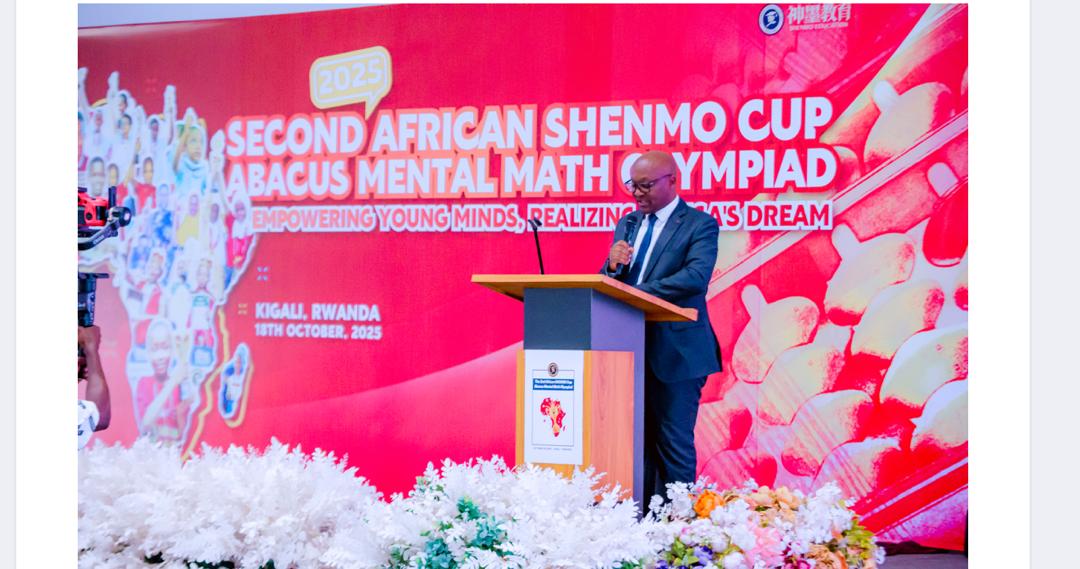
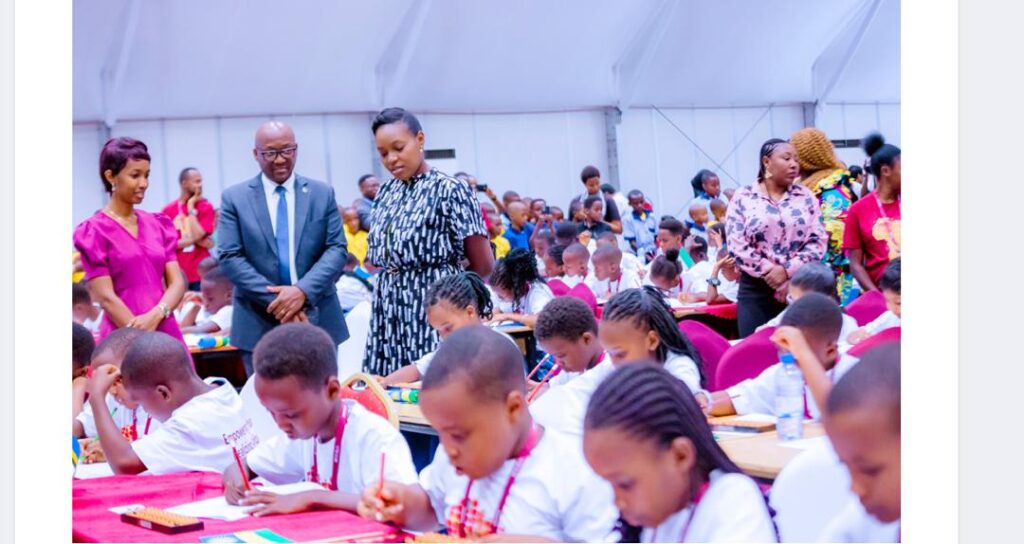
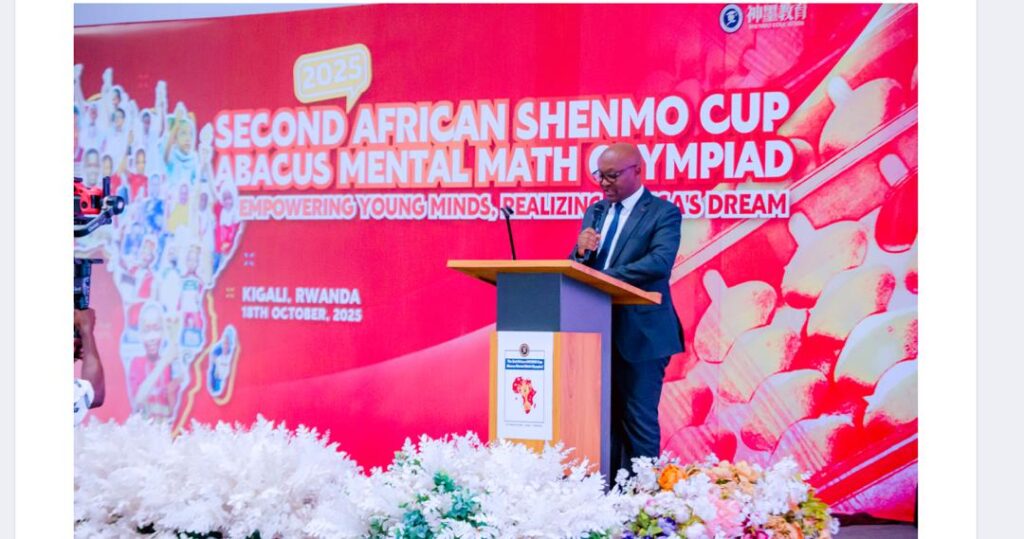
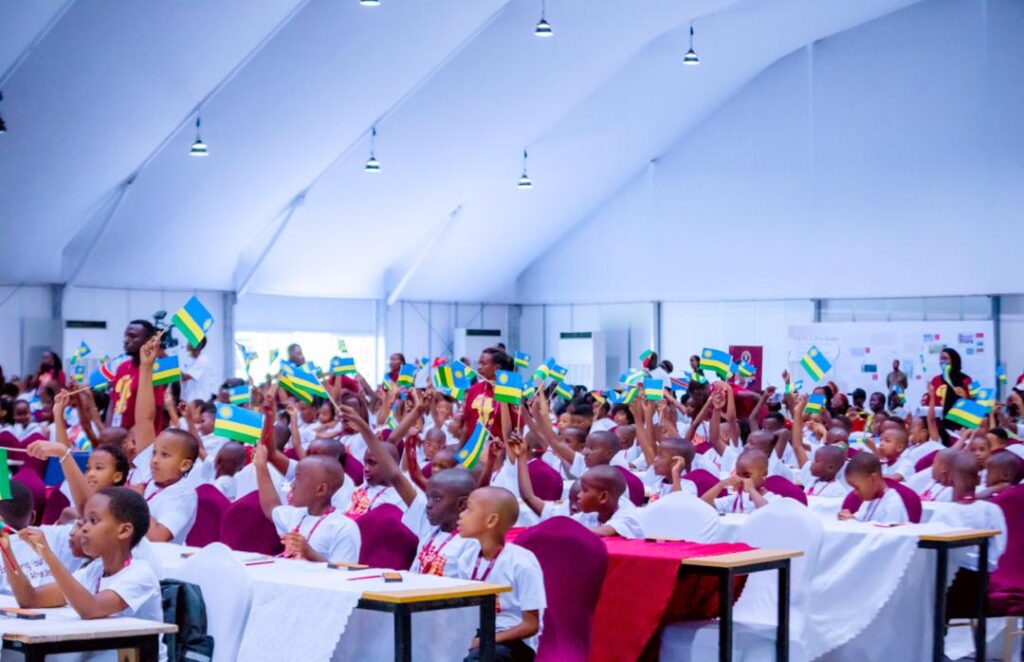
The sound of clicking beads filled the Kigali Conference and Exhibition Village (KCEV) on October 18th, 2025, as Rwanda hosted the 2nd edition of the Shenmo Africa Cup Abacus Mental Maths Competition. The event brought together more than 337 children from 30 African countries, including over 250 Rwandans, to showcase their mental calculation skills and celebrate an innovative approach to learning mathematics.
Uwitonze Brigitte, Principal of Shenmo Education Rwanda, said the competition aimed to inspire a love for mathematics among children. “We want learners to see that math can be fun, practical, and fast. The abacus develops children’s brains, not just memorization,” she explained.
Founded in Beijing, China, the Shenmo Education model uses the ancient abacus to help learners visualize numbers and perform rapid mental calculations. According to Mr. Li Mianjun, President and Global Founder of Shenmo Education, “Out of 14 ancient Chinese calculation methods, only the abacus has survived for over 2,000 years because it begins with something concrete—the beads. It builds confidence, precision, and creativity.”
Mr. Li noted that Shenmo has been active in Rwanda for six years, training hundreds of learners and introducing the abacus to schools. He announced plans to work closely with the Ministry of Education to train Rwandan teachers in China and distribute abacuses across the country.
State Minister of Education, Irere Claudette, praised the program for enhancing learning experiences. “This method, known as the gymnastics of the brain, improves children’s concentration and confidence while making learning enjoyable,” she said.
Dr. Mbarushimana Nelson, Director General of REB
Dr. Mbarushimana Nelson, Director General of REB, highlighted the program’s impact on cognitive development. “It strengthens critical thinking and creativity—skills needed for success in the 21st century,” he remarked, noting the sharp rise in Rwandan participants from just three in the previous edition to over 250 this year.
Eight-year-old Ruzika Guiza Ela from Gloria Academy expressed her excitement: “The abacus helps me solve math problems faster. I felt confident about winning today.”
Through its partnership with Shenmo Education, Rwanda continues to nurture a generation of confident and skilled young learners ready to transform the future of mathematics in Africa.
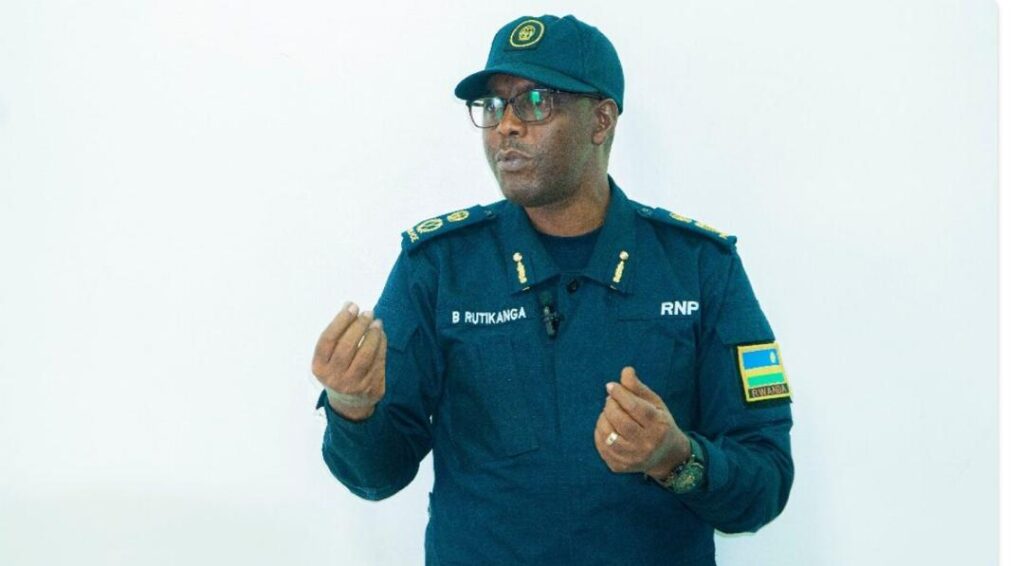
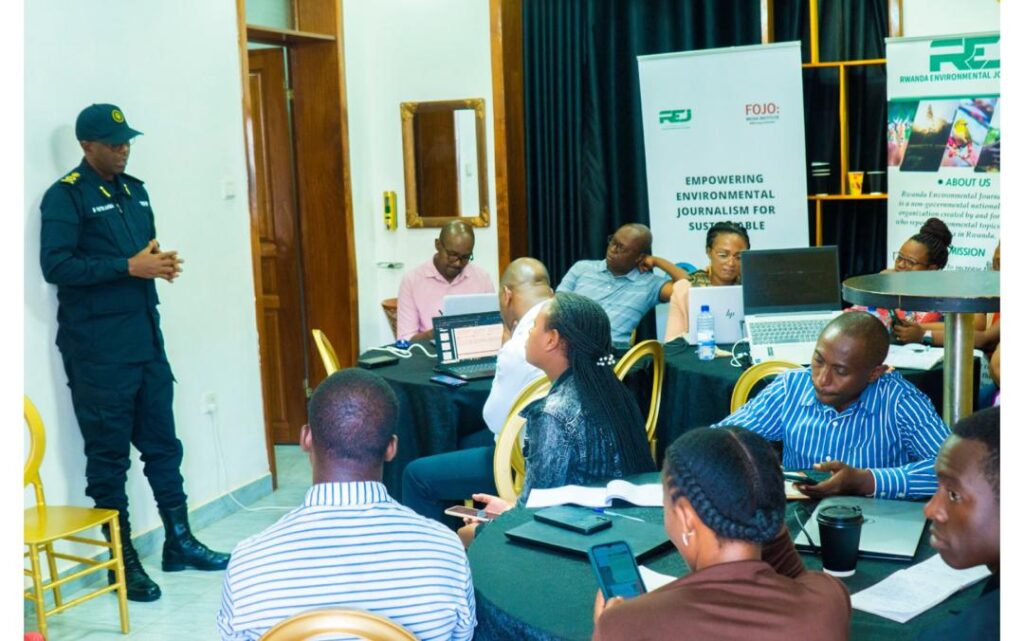
Rwanda National Police (RNP) Spokesperson, ACP Boniface Rutikanga, has called on environmental journalists to embrace professionalism and uphold the truth through effective fact-checking.
ACP Rutikanga warned against rushing to publish unverified information
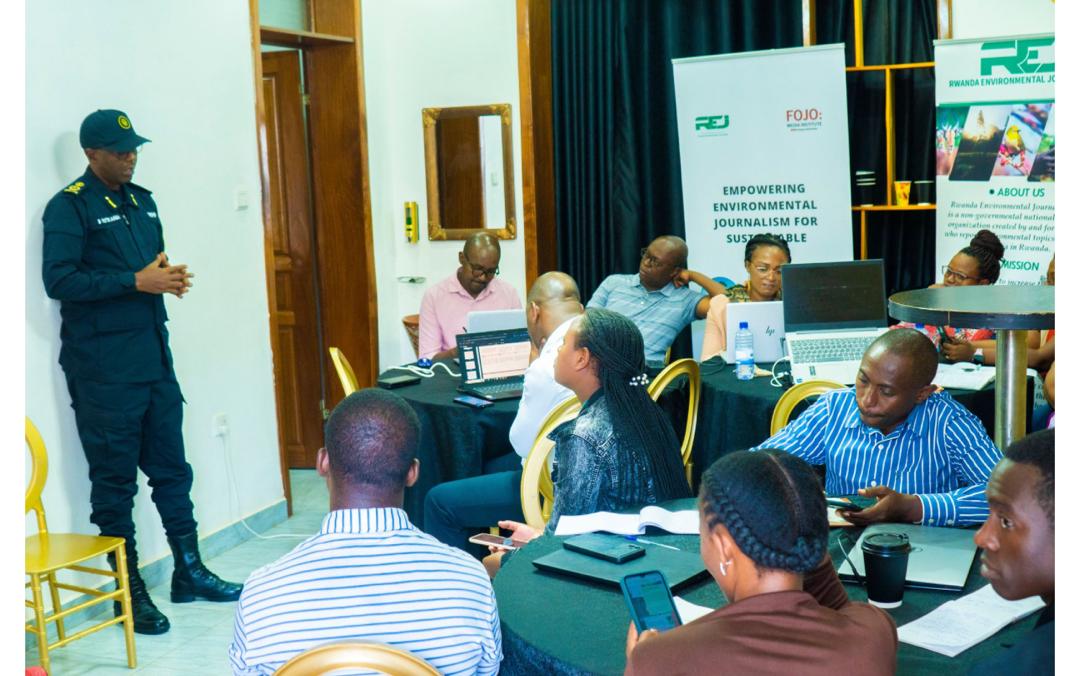
Speaking during a training session held on October 15, 2025, at the Rwanda Environment Journalists (REJ) office in Kicukiro, ACP Rutikanga emphasized that accuracy is the foundation of credible journalism. The training focused on strengthening journalists’ capacity to verify information and promote integrity in environmental reporting.
“Professionalism begins with verifying every piece of information before sharing it with the public,” he said, adding that at the Rwanda National Police, every report is confirmed through multiple channels and supported by evidence.
He explained that the Police use technological and field-based tools—including drones, CCTV cameras, and helicopters—alongside officers who collect and verify data directly from the field. This process ensures accurate understanding of events, assessment of impact, and identification of responsible parties.
ACP Rutikanga warned against rushing to publish unverified information, noting that patience, discipline, and objectivity are key in journalism. “Laziness or emotional reporting destroys credibility and public trust,” he cautioned.
He also encouraged journalists to educate the public on environmental issues such as causes of degradation, impacts on communities, and sustainable solutions. Raising awareness, he said, is essential for mindset change and inspiring environmental responsibility.
Highlighting the shared duty between the media and law enforcement, ACP Rutikanga reaffirmed RNP’s commitment to working closely with journalists to ensure the public receives truthful and verified information.
concluded with a call for journalists to protect their credibility through factual reporting, emphasizing that accurate information not only builds trust but also influences policy and drives positive change in environmental management.
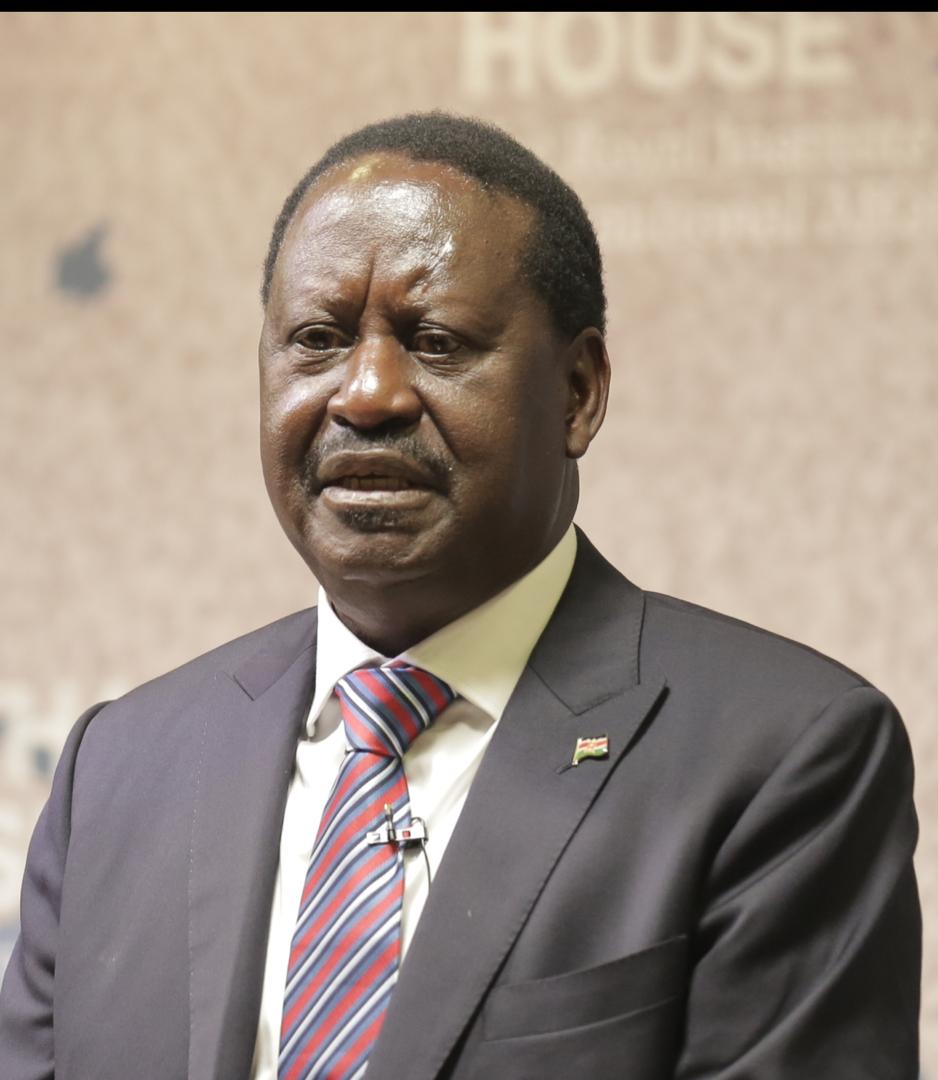
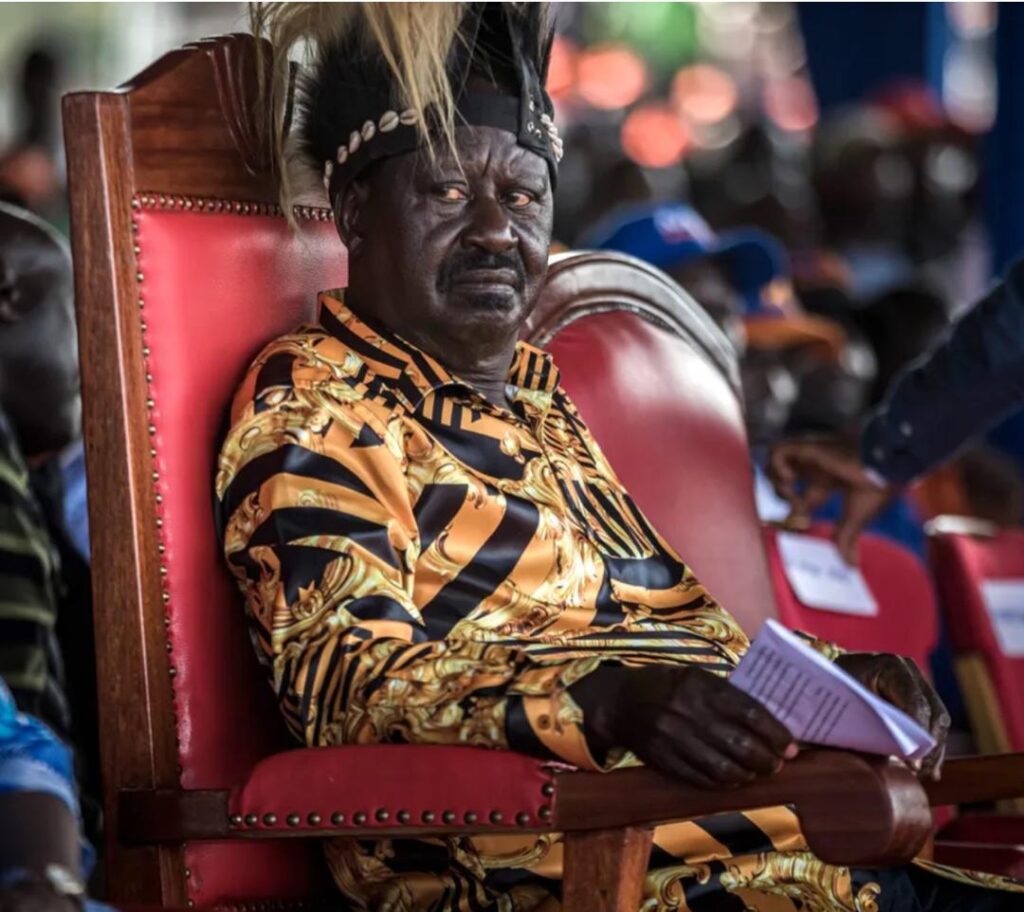
Amakuru yemejwe na Reuters n’ibitangazamakuru byo mu Buhindi aravuga ko Raila Amolo Odinga, wahoze ari Minisitiri w’Intebe wa Kenya, yitabye Imana azize umutima (cardiac arrest) ubwo yari mu rugendo rw’igitondo muri Leta ya Kerala, mu Buhindi.
Amakuru aturuka mu kigo cy’itangazamakuru Mathrubhumi English avuga ko Odinga yaguye ubwo yari ari kugenda ku butaka bw’ikigo cyita ku buzima gisanzwe gikoresha uburyo bwa Ayurvedic medicine giherereye ahitwa Koothattukulam. Yahise ajyanwa ku bitaro bya Deva Matha Hospital, aho abaganga bahise bemeza ko yapfuye.
Raila Odinga yari afite imyaka 80 y’amavuko. Yari yaragiye mu Buhindi mu mpera za Nzeri 2025, aho yari agiye kwitabira gahunda yo kwivurizayo nyuma y’uko yari amaze igihe atagaragara mu ruhame, ibintu byari byabyukije ibihuha byinshi ku buzima bwe.
Ishyaka rye, Orange Democratic Movement (ODM), ryari ryigeze gutangaza ko Raila yari yagiye kwivuriza mu mahanga, ariko ko yari ameze neza. Ubu, nyuma y’iyi nkuru, abayobozi b’ishyaka n’umuryango we ntibarasohora itangazo ryemeza cyangwa risobanura ibirenze kuri aya makuru.
Raila Odinga yari umwe mu banyapolitiki bakomeye kandi bubashywe muri Kenya no muri Afurika yose. Yabaye Minisitiri w’Intebe kuva mu 2008 kugeza mu 2013, anakomeza kuba umwe mu batavuga rumwe n’ubutegetsi bwagiye busimburana muri icyo gihugu.
Mu gihe Kenya iri mu gahinda gakomeye, abatuye hirya no hino ku mbuga nkoranyambaga barakomeje gutanga ubutumwa bw’akababaro, bavuga ko Raila Odinga yari “umurage w’ubumwe n’impinduka.”
Kugeza ubu, Ambasade ya Kenya mu Buhindi iravuga ko iri gukorana n’inzego z’igihugu cy’uwo nyakwigendera kugira ngo umurambo we ugarurwe muri Kenya.