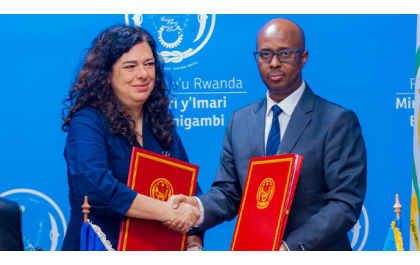
Ni amasezerano yashyizweho umukono ku wa 4 Kanama 2026, agamije gutera inkunga gahunda ya ‘Hangaribihe’.
Hangaribihe ni gahunda izamara imyaka ine, ikazarangira mu 2029. Izakorera mu turere dusanzwe tugirwaho ingaruka n’ihindagurika ry’ibihe twiganjemo utwo mu ntara y’Iburasirazuba ndetse no mu Majyepfo.
Minisitiri w’Imari n’Igenamigambi, Yusuf Murangwa, yagaragaje ko aya mafaranga azashorwa mu bice bibiri by’ingenzi bigamije guteza imbere ubuhinzi bugezweho, kongera umusaruro, n’ibindi.
Ati “Birimo kongera umusaruro ndetse no kubona ibikoresho bihagije byo gutunganya umusaruro, hitabwa cyane ku bahinzi bato, amakoperative, abagore, urubyiruko n’abakora ubucuruzi buto n’ubuciriritse. Ikindi no guteza imbere ubuhinzi buhangana n’imihindagurikire y’ikirere ndetse bubungabunga ibidukikije.”
Ambasaderi wa EU mu Rwanda, Belén Calvo Uyarra, yagaragaje ko EU isanzwe ikorana n’u Rwanda mu bikorwa bitandukanye ariko kuri iyi nshuro bagiye gukorana mu mishinga yo kubungabunga ibidukikije, hatezwa imbere ubuhinzi buhangana n’ihindagurika ry’ibihe.
Ati “Iyi gahunda ifite agaciro ka miliyoni 40€ yerekana uruhare rwacu mu guteza imbere ubuhinzi ndetse twishimiye ko muri iyi gahunda tuzabasha gushyiraho ibikorwa bitandukanye bibungabunga ibidukikije ariko biteza imbere n’urwego rw’ubuhinzi.”
Minisitiri w’Ubuhinzi n’Ubworozi, Dr. Ndabamenye Telesphore, yagaragaje ko iyi nkunga izunganira gahunda zisanzwe z’igihugu zirimo kuhira, kuzamura umusaruro mu byanyabigega (food basket site) ndetse no guhinga hatangijwe ubutaka.
Ati “Tuvuga ko tuzamura umusaruro cyane kuri hegitari, kugira ngo uwo musaruro uboneke hari uburyo bushya bugomba gushyirwa mu bikorwa kugira ngo uwo musaruro twifuza tuwubone bigendanye n’ibi bibazo tugira by’imihindagurikire y’ibihe, imvura igwa itunguranye, imvura igwa ikaba nyinshi cyangwa ikaba nkeya. Ikigambiriwe rero ni uguhangana n’ibyo byose umusaruro ukaboneka.”
Yashimangiye ko “Uyu mushinga uzakomeza kunganira ibikorwa byari bihari bijyendanye no gutera ibiti mu myaka, kurwanya isuri, ndetse no gushaka andi moko mashya y’ibihingwa byihanganira imihindagurikire y’ibihe, kugira ngo tubashe kubona umusaruro uturutse ku bihingwa ariko nanone twita ku bidukikije.”
Iyi gahunda izunganira gahunda ya kabiri y’igihugu yo kwihutisha iterambere(NST2) ndetse na gahunda ya Gatanu y’Igihugu y’Iterambere ry’Ubuhinzi (PSTA 5).
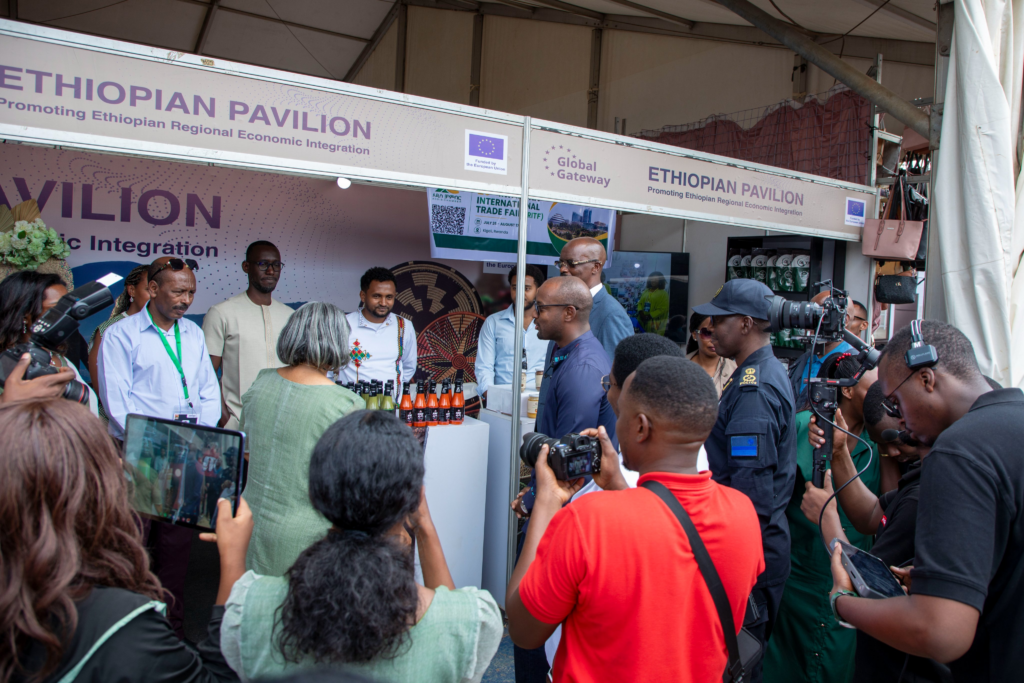
Rwanda’s Minister of Trade and Industry Hon. Antoine Kajangwe on Saturday urged businesses and visitors to view the 29th Rwanda International Trade Fair (RITF 2026) as more than a shopping destination, saying the exhibition is a platform where investment deals are struck, partnerships are forged and new business opportunities emerge. He made the remarks during a high-level tour of the expo at the Gikondo Expo Grounds, alongside officials from the Private Sector Federation (PSF), exhibitors and development partners.
Speaking after touring exhibition stands at the Gikondo Expo Grounds, Minister of Trade and Industry Hon. Antoine Kajangwe said the annual expo should be viewed as a business and investment platform rather than simply a shopping destination. The exhibition brings together entrepreneurs, manufacturers, innovators, investors and consumers from Rwanda and abroad, creating opportunities for business deals, market expansion and technology exchange.
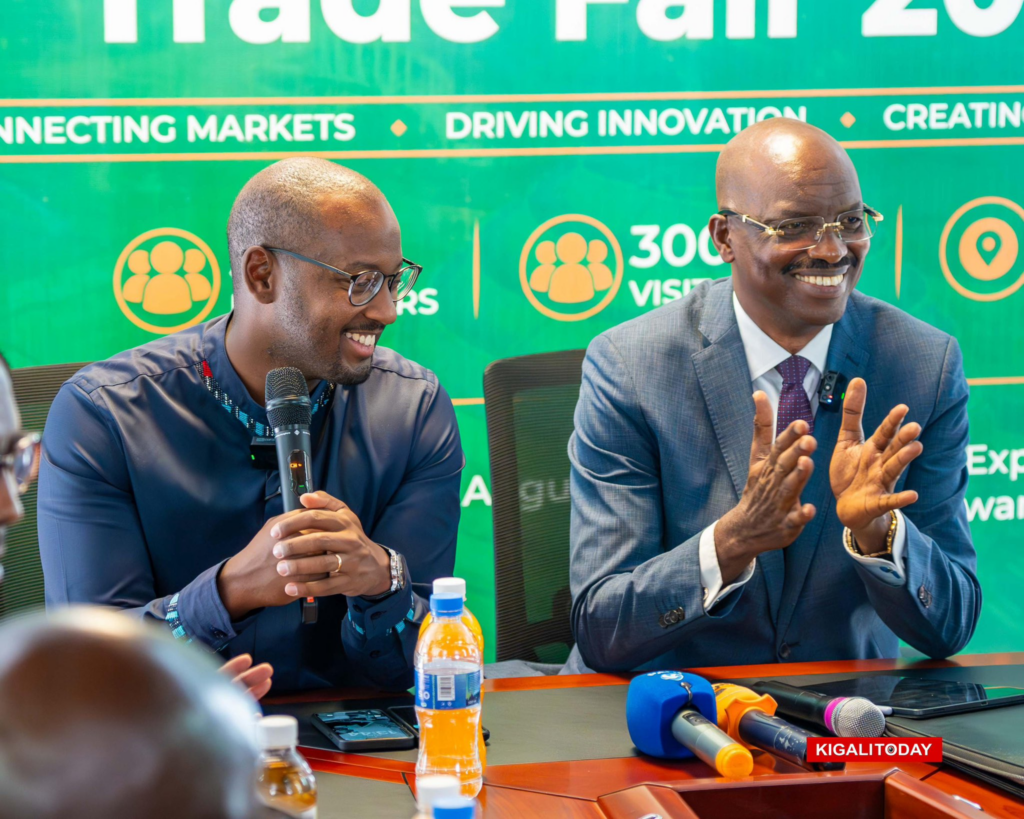
His remarks echoed the broader objective of the 29th edition of the Rwanda International Trade Fair, organized by the Private Sector Federation (PSF) in partnership with the Ministry of Trade and Industry (MINICOM), which aims to strengthen Rwanda’s position as a regional hub for trade, investment and entrepreneurship. Organizers expected the event to attract more than 500 exhibitors from over 20 countries during its 22-day run, making it the largest edition in the history of the expo.
Opening the high-level visit, PSF Chairman Stephen Ruzibiza thanked the Government of Rwanda, development partners, sponsors and security institutions for supporting the organization of the country’s biggest annual business exhibition.
“For the twenty-ninth time, the Private Sector Federation is organizing the Rwanda International Trade Fair. The support from government, different stakeholders and sponsors is indispensable and greatly appreciated,” he said.
He also praised exhibitors for improving the quality and packaging of their products, saying local enterprises are becoming increasingly competitive in both domestic and international markets.
“After the tour, we can congratulate local exhibitors for the progress made and their efforts in improving the quality of both their products and packaging for competitiveness at national and international level,” Ruzibiza noted.
The PSF chairman commended MINICOM, the Rwanda Development Board and other institutions for supporting small and medium-sized enterprises to participate in the exhibition, describing the expo as a valuable learning platform where local businesses exchange ideas and experiences with international exhibitors.
According to PSF, this year’s trade fair has attracted 366 local exhibitors from across Rwanda and 121 foreign exhibitors representing countries across Africa, Asia and Europe. Ruzibiza said the international participation demonstrates confidence in Rwanda despite global economic and logistics challenges.
He further thanked immigration and customs authorities for facilitating the entry of exhibitors and exhibition goods, helping ensure the smooth organization of the event.
Minister of Trade and Industry Hon. Antoine Kajangwe, who addressed participants after touring the exhibition, congratulated PSF on organizing what has become Rwanda’s premier business exhibition over nearly three decades. He stressed that the country’s economic transformation depends on innovation, technology and stronger private sector participation.
He noted that many of the products and services showcased during the exhibition reflect the direction Rwanda wants to take in building a modern, competitive and knowledge-based economy.
The annual trade fair continues to serve as a strategic platform where businesses launch products, identify distributors, negotiate commercial partnerships and explore export markets. Beyond direct sales, exhibitors use the event to connect with investors, suppliers and potential clients from across the region.
For many entrepreneurs, particularly small and medium-sized enterprises, the exhibition provides visibility that would otherwise be difficult to achieve, while allowing consumers to experience innovations developed under the Made in Rwanda initiative.
As Rwanda continues implementing policies aimed at promoting industrialization, exports and private-sector-led growth, officials believe the trade fair has become an important economic driver rather than simply an annual commercial event. Government policy increasingly emphasizes expanding market access, improving product standards and creating employment through business growth.
With thousands of visitors expected over the coming weeks, the message from both government and the private sector is clear: the Rwanda International Trade Fair is no longer just a place to shop. It is where businesses meet investors, entrepreneurs discover new markets, partnerships are forged and the next generation of commercial opportunities begins.
Umugaba Mukuru w’Ingabo za Uganda, Muhoozi Kainerugaba, kuri iki Cyumweru yakomeje uruzinduko arimo kugirira mu Rwanda asura Ibitaro by’Umwami Faisal n’Pariki y’Ibidukikije ya Nyandungu. Uru ruzinduko rwibanze ku kureba ibikorwa by’indashyikirwa igihugu cyagezeho mu rwego rw’ubuvuzi, iterambere ry’imijyi no kubungabunga ibidukikije.
Mu rugendo rwe ku Bitaro by’Umwami Faisal, Muhozi yakiriwe n’abayobozi b’ibitaro hamwe na Meya w’Umujyi wa Kigali, wamugaragarije uko ibi bitaro bikomeje kwagurwa hagamijwe kongera ubushobozi bwo kwakira no kuvura abarwayi benshi kurushaho.
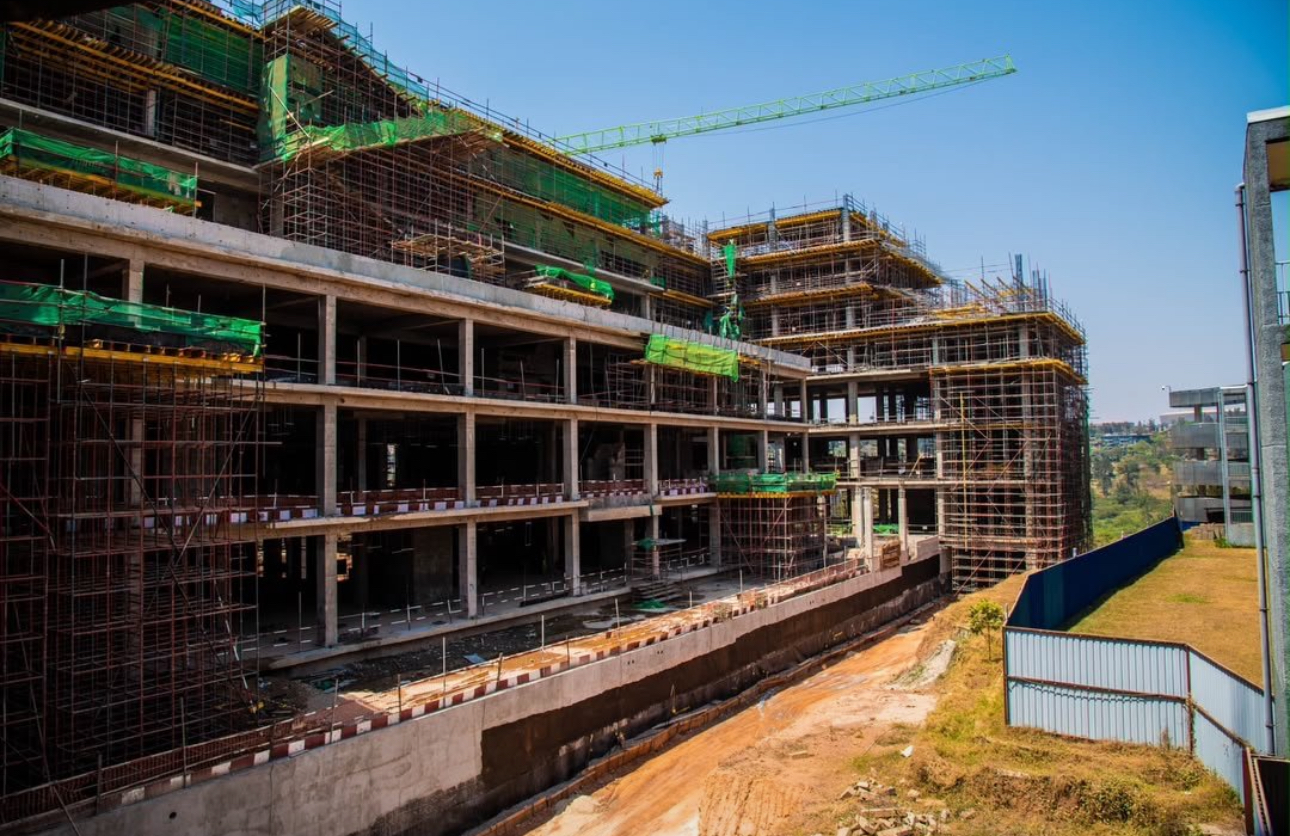
Yatemberejwe ahari kubakwa inyubako nshya y’Ibitaro by’Umwami Faisal, asobanurirwa ko izafasha kongera serivisi z’ubuvuzi buhanitse, ibitanda by’abarwayi ndetse n’ibikoresho byifashishwa mu kuvura indwara zikomeye. Ubuyobozi bw’ibitaro bwasobanuye ko uwo mushinga ugamije gutuma u Rwanda rukomeza kuba kimwe mu bihugu bifite ubuvuzi bugezweho mu karere.
Muhozi yashimye icyerekezo cy’u Rwanda mu guteza imbere urwego rw’ubuzima, avuga ko ibikorwa nk’ibi bigaragaza ubushake bwo gushora imari mu mibereho myiza y’abaturage.
Yagize ati: “Birashimishije kubona igihugu cya Afurika gikomeje kubaka ubushobozi bwacyo mu buvuzi no gushyira imbere ubuzima bw’abaturage. Ibi ni urugero rwiza rw’iterambere rirambye.”
Meya w’Umujyi wa Kigali na we yasobanuye ko kwagura Ibitaro by’Umwami Faisal biri muri gahunda yo gukomeza kuzamura serivisi z’ubuzima no gutuma Kigali iba umujyi utanga serivisi zigezweho ku Banyarwanda no ku baturuka mu mahanga.
Nyuma yo gusura ibitaro, Muhozi yakomereje urugendo rwe muri Pariki y’Ibidukikije ya Nyandungu, aho yatemberejwe areba uburyo igishanga cyahoze cyarangiritse cyongeye gusubizwamo ubuzima, kikaba cyarahindutse kimwe mu byanya nyaburanga bikomeye mu Mujyi wa Kigali.
Abayobozi bamusobanuriye ko Nyandungu ari umushinga uhuza kubungabunga ibidukikije, ubukerarugendo no kwigisha abaturage akamaro ko kurengera umutungo kamere. Banamwerekeye amoko atandukanye y’ibiti, indabo n’inyoni biboneka muri iyi pariki, ndetse n’uruhare rwayo mu kugabanya imyuzure no guteza imbere ubuzima bw’abaturage.
Muhozi yavuze ko ibikorwa nk’ibi bikwiye kubera urugero ibindi bihugu bya Afurika, kuko bigaragaza ko iterambere rishobora kujyana no kubungabunga ibidukikije.
Yagize ati: “Nishimiye kubona uburyo u Rwanda rwashoye imbaraga mu gusubiranya ibidukikije no kubihindura ahantu hafitiye abaturage n’abasura igihugu akamaro. Ni urugero rwiza rwo kubaka ejo hazaza harambye.”
Abari bamuherekeje bagaragaje ko Pariki ya Nyandungu ikomeje kwakira umubare munini w’abasura baturuka mu Rwanda no mu mahanga, kandi ikagira uruhare mu guteza imbere ubukerarugendo bushingiye ku bidukikije.
Uru ruzinduko rwa Muhozi Kainerugaba rugaragaza ubushake bwo kurushaho gukomeza umubano mwiza hagati y’u Rwanda na Uganda. Gusura ibikorwa birimo Ibitaro by’Umwami Faisal na Pariki ya Nyandungu byerekana ko ibihugu byombi bishobora gukomeza gusangizanya ubunararibonye mu nzego z’ubuzima, iterambere ry’imijyi no kubungabunga ibidukikije.
uru ruzinduko rushobora kurushaho gushimangira ubufatanye hagati y’impande zombi, cyane cyane mu guteza imbere ibikorwa remezo, serivisi z’ubuzima n’ibikorwa bigamije kurengera ibidukikije no guteza imbere imibereho myiza y’abaturage.
Umugaba Mukuru w’Ingabo za Uganda, Muhoozi Kainerugaba, kuri iki Cyumweru yakomeje uruzinduko arimo kugirira mu Rwanda asura Ibitaro by’Umwami Faisal n’Pariki y’Ibidukikije ya Nyandungu. Uru ruzinduko rwibanze ku kureba ibikorwa by’indashyikirwa igihugu cyagezeho mu rwego rw’ubuvuzi, iterambere ry’imijyi no kubungabunga ibidukikije.
Mu rugendo rwe ku Bitaro by’Umwami Faisal, Muhozi yakiriwe n’abayobozi b’ibitaro hamwe na Meya w’Umujyi wa Kigali, wamugaragarije uko ibi bitaro bikomeje kwagurwa hagamijwe kongera ubushobozi bwo kwakira no kuvura abarwayi benshi kurushaho.
Yatemberejwe ahari kubakwa inyubako nshya y’Ibitaro by’Umwami Faisal, asobanurirwa ko izafasha kongera serivisi z’ubuvuzi buhanitse, ibitanda by’abarwayi ndetse n’ibikoresho byifashishwa mu kuvura indwara zikomeye. Ubuyobozi bw’ibitaro bwasobanuye ko uwo mushinga ugamije gutuma u Rwanda rukomeza kuba kimwe mu bihugu bifite ubuvuzi bugezweho mu karere.
Muhozi yashimye icyerekezo cy’u Rwanda mu guteza imbere urwego rw’ubuzima, avuga ko ibikorwa nk’ibi bigaragaza ubushake bwo gushora imari mu mibereho myiza y’abaturage.
Yagize ati: “Birashimishije kubona igihugu cya Afurika gikomeje kubaka ubushobozi bwacyo mu buvuzi no gushyira imbere ubuzima bw’abaturage. Ibi ni urugero rwiza rw’iterambere rirambye.”
Meya w’Umujyi wa Kigali na we yasobanuye ko kwagura Ibitaro by’Umwami Faisal biri muri gahunda yo gukomeza kuzamura serivisi z’ubuzima no gutuma Kigali iba umujyi utanga serivisi zigezweho ku Banyarwanda no ku baturuka mu mahanga.
Nyuma yo gusura ibitaro, Muhozi yakomereje urugendo rwe muri Pariki y’Ibidukikije ya Nyandungu, aho yatemberejwe areba uburyo igishanga cyahoze cyarangiritse cyongeye gusubizwamo ubuzima, kikaba cyarahindutse kimwe mu byanya nyaburanga bikomeye mu Mujyi wa Kigali.
Abayobozi bamusobanuriye ko Nyandungu ari umushinga uhuza kubungabunga ibidukikije, ubukerarugendo no kwigisha abaturage akamaro ko kurengera umutungo kamere. Banamwerekeye amoko atandukanye y’ibiti, indabo n’inyoni biboneka muri iyi pariki, ndetse n’uruhare rwayo mu kugabanya imyuzure no guteza imbere ubuzima bw’abaturage.
Muhozi yavuze ko ibikorwa nk’ibi bikwiye kubera urugero ibindi bihugu bya Afurika, kuko bigaragaza ko iterambere rishobora kujyana no kubungabunga ibidukikije.
Yagize ati: “Nishimiye kubona uburyo u Rwanda rwashoye imbaraga mu gusubiranya ibidukikije no kubihindura ahantu hafitiye abaturage n’abasura igihugu akamaro. Ni urugero rwiza rwo kubaka ejo hazaza harambye.”
Abari bamuherekeje bagaragaje ko Pariki ya Nyandungu ikomeje kwakira umubare munini w’abasura baturuka mu Rwanda no mu mahanga, kandi ikagira uruhare mu guteza imbere ubukerarugendo bushingiye ku bidukikije.
Uru ruzinduko rwa Muhozi Kainerugaba rugaragaza ubushake bwo kurushaho gukomeza umubano mwiza hagati y’u Rwanda na Uganda. Gusura ibikorwa birimo Ibitaro by’Umwami Faisal na Pariki ya Nyandungu byerekana ko ibihugu byombi bishobora gukomeza gusangizanya ubunararibonye mu nzego z’ubuzima, iterambere ry’imijyi no kubungabunga ibidukikije.
uru ruzinduko rushobora kurushaho gushimangira ubufatanye hagati y’impande zombi, cyane cyane mu guteza imbere ibikorwa remezo, serivisi z’ubuzima n’ibikorwa bigamije kurengera ibidukikije no guteza imbere imibereho myiza y’abaturage.
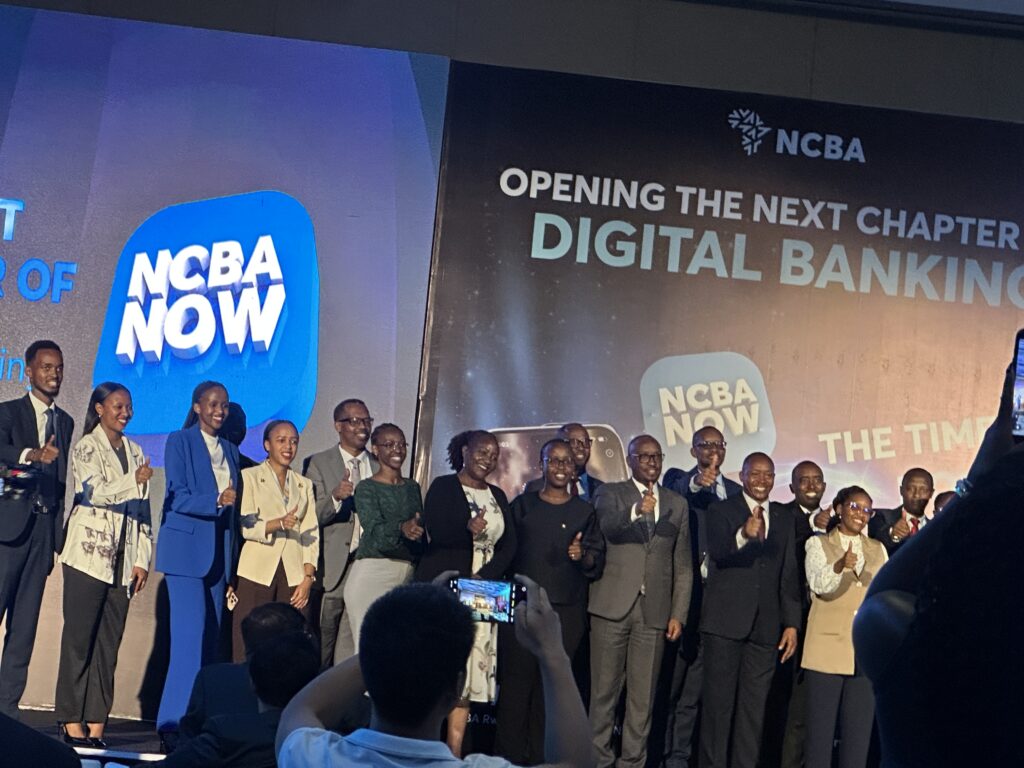
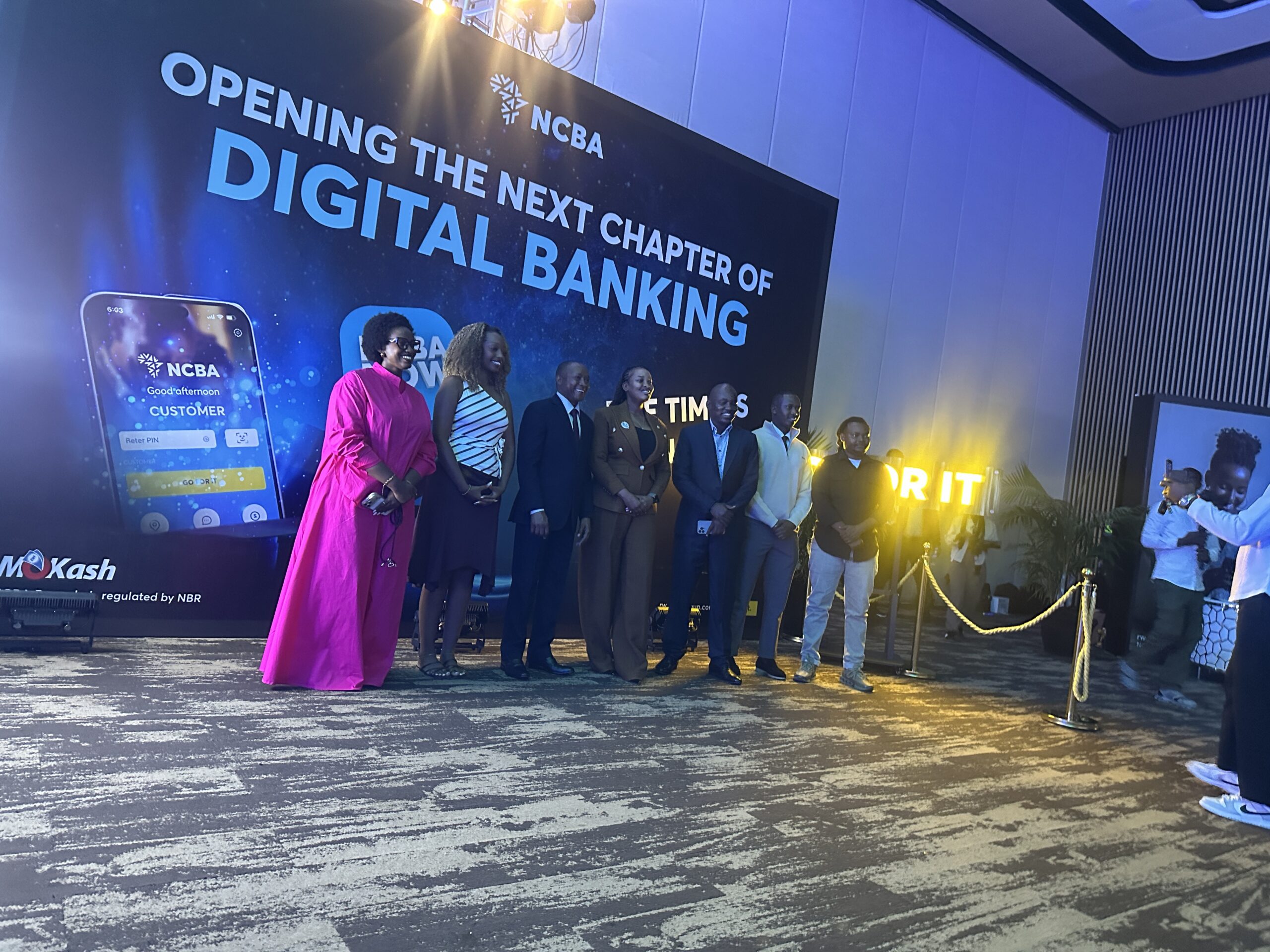
NCBA Bank has launched two new digital banking platforms NCBA Now for retail customers and NCBA Connect Plus for businesses—in a move aimed at improving customer experience, enhancing efficiency, and accelerating the bank’s digital transformation journey.
The launch, attended by customers, business partners, members of the media, and bank executives, marked a significant milestone in NCBA’s strategy to offer secure, convenient, and customer-centered financial services.
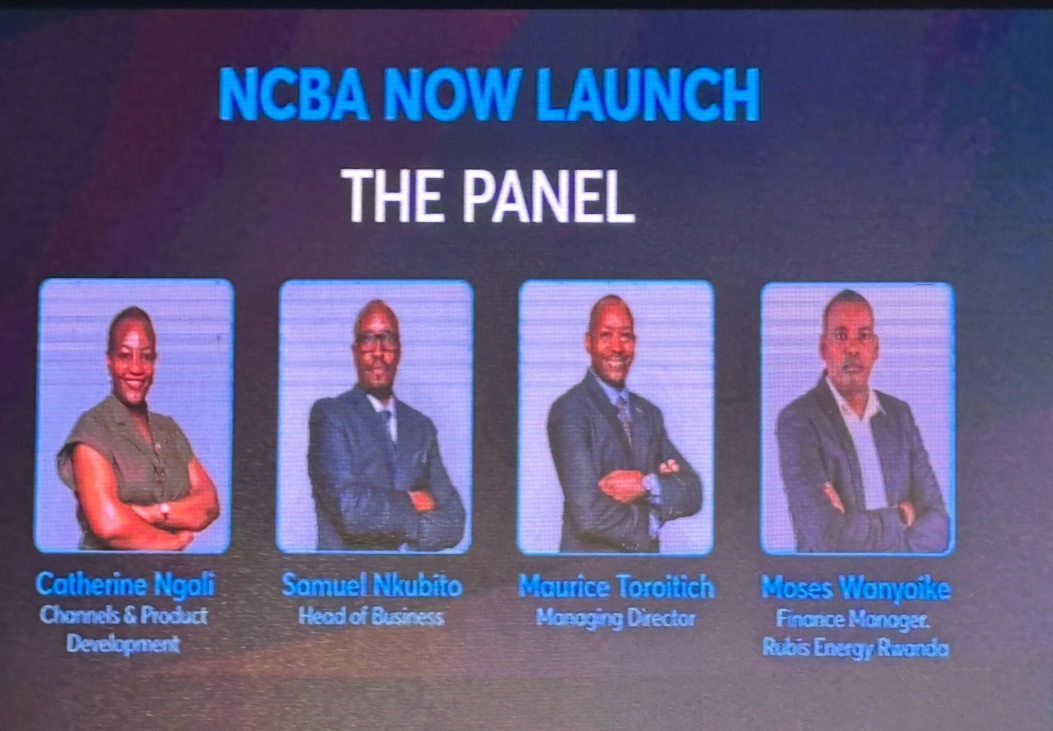
Speaking during the launch, NCBA Managing Director Maurice Okrindi said the bank had deliberately invested time in redesigning its digital banking services after listening to customer feedback and understanding how business needs have evolved.
“We did not want to build digital platforms simply because everyone else had one. We wanted to develop solutions that genuinely solve our customers’ challenges and respond to the way businesses operate today,” Okrindi said.
He acknowledged that some customers had previously experienced challenges with the bank’s digital channels, leading to frustration and, in some cases, prompting them to move to other financial institutions.
“We know that in the past some customers were disappointed because our digital channels did not perform as expected. Today, we are asking them to give us another chance. Try the new platforms, tell us what you think, and continue giving us feedback so that we can keep improving,” he said.
According to Okrindi, banking is no longer defined by the number of branches or ATMs a bank operates. Instead, competition is increasingly based on speed, convenience, efficiency, security, and the overall customer experience.
The newly launched NCBA Now platform enables retail customers to manage accounts, transfer funds between banks and mobile wallets, make payments, and access other banking services through a single application. Future upgrades will allow customers to open accounts digitally, access loans without visiting a branch, and enjoy additional self-service features.
For businesses, NCBA Connect Plus introduces advanced financial management tools, including real-time account monitoring, customized approval workflows, transaction controls, and remote authorization capabilities. Company executives and finance teams can approve transactions securely from different parts of the world without the need to visit a branch.
“This allows businesses to focus less on administrative processes and more on growing their operations,” Okrindi noted.
Despite the rapid digital transformation, the Managing Director emphasized that NCBA has no intention of closing its physical branches.
“Our branches are evolving rather than disappearing. Instead of being primarily cash transaction centers, they will become advisory centers where customers receive financial guidance and business support while routine transactions are handled digitally,” he explained.
Cybersecurity emerged as another key theme during the launch.
NCBA’s Head of Information Security and Data Protection, Sam, assured customers that security had been integrated into every stage of developing the new platforms.
“We adopted a Security and Privacy by Design approach. Every feature and every integration was developed with cybersecurity and customer privacy as core requirements,” he said.
He revealed that the platforms incorporate several advanced security measures, including two-factor authentication, biometric login through fingerprint or facial recognition, end-to-end encryption, and device registration that limits access to one approved device unless additional verification is completed.
The bank also confirmed that it complies with national data protection regulations and has implemented strict governance measures to safeguard customer information.
Responding to questions from journalists about customer data, Okrindi stressed that personalization features are intended solely to improve the user experience rather than generate commercial gains from customer behavior.
“The spending data we analyze is used to provide customers with better financial insights and, where appropriate, to help us pre-approve suitable credit products. Location data simply helps customers find the nearest branch or ATM. We do not monetize customer data,” he explained.
He added that customers retain control over their privacy settings and can opt out of personalized features in accordance with applicable data protection regulations.
Journalists also questioned whether the bank’s digital strategy would exclude customers in rural areas who rely on USSD and agency banking.
NCBA officials clarified that financial inclusion remains central to the bank’s strategy. Customers will continue accessing services through multiple channels, including USSD, agency banking, physical branches, and the bank’s partnership with eKash, enabling transfers between bank accounts, Airtel Money, MTN Mobile Money, and other payment networks.
One of the event’s highlights was a testimony from customer Moses Odui, whose organization has been piloting NCBA Connect for the past three months.
“Our experience has been fantastic,” Odui said. “The platform is simple to use, well organized, and requires very little training. The biggest improvement has been the transaction approval process. Previously, approvals depended on constant follow-up. Now the workflow is automated, making our operations much more efficient.”
As NCBA rolls out the platforms to more customers, the bank says customer feedback will remain essential in refining future improvements.
We are building these platforms together with our customers,” Okrindi concluded. “Technology continues to evolve, and so will we. Our commitment is to deliver a world-class digital banking experience that meets the changing needs of individuals and businesses across the region
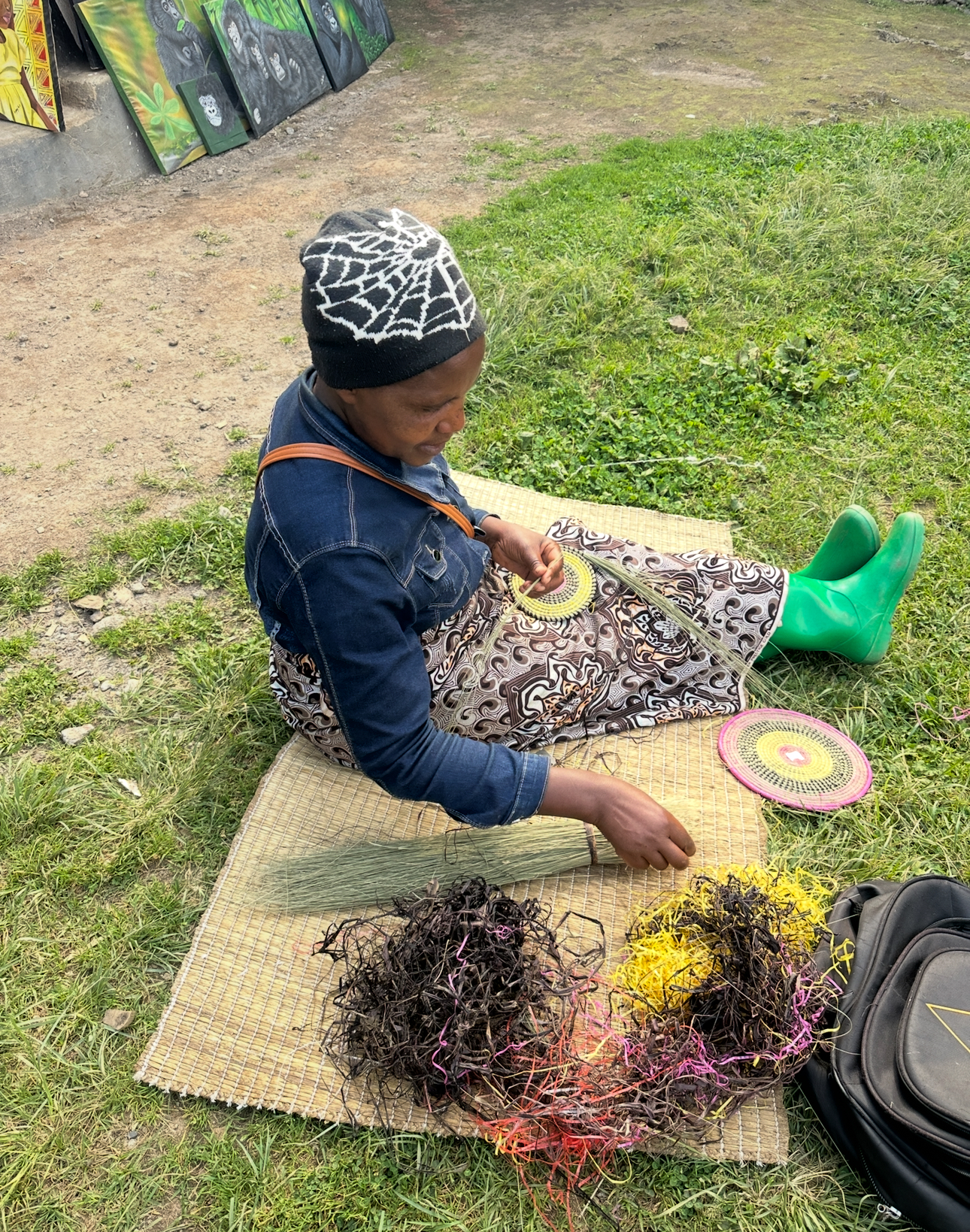
Musanze: Abagore bo mu Murenge wa Kinigi, Akarere ka Musanze, bavuga ko Ubudozi bw’uduseke bwabahinduriye ubuzima, bubakura mu bikorwa byangiza ibidukikije birimo guhiga inyamaswa zo mu gasozi no kwangiza amashyamba. Bashimira Leta y’u Rwanda yabakanguriye kwishyira hamwe mu makoperative no kwihangira imirimo ibateza imbere, ubu bakaba batunga imiryango yabo mu buryo burambye.
Mu myaka yashize, bamwe mu batuye hafi ya Pariki y’Igihugu y’Ibirunga bavugaga ko ubukene bwatumaga bajya mu mashyamba guhiga inyamaswa bakoresheje imitego cyangwa bagatema ibiti kugira ngo babone ibyo gufunga imiryango yabo. Icyakora, gahunda zo kubungabunga urusobe rw’ibinyabuzima no guteza imbere imibereho y’abaturage byatumye benshi bahindura imyumvire.
Mukandayisenga Claudine, umwe mu bagore bibumbiye mu itsinda rikora ubudozi bw’uduseke, avuga ko kwiga uyu mwuga byamuhesheje icyizere cyo kubona amafaranga atavuye mu bikorwa byangiza ibidukikije.
Ati: “Mbere twabaga twumva ko ubuzima bushobora guturuka gusa ku byo twavanaga mu ishyamba. Hari abajyaga guhiga inyamaswa, abandi bagatema ibiti. Nyuma yo gukangurirwa kwishyira hamwe no kwiga kudoda uduseke, twabonye ko dushobora kwiteza imbere tudahungabanyije ibidukikije. Ubu mbasha kwishyurira abana amashuri no kwita ku rugo nkiri mu mwuga nkunda.”
Mukamana Béatrice na we avuga ko ubudozi bw’uduseke bwatumye abagore bagira uruhare rugaragara mu iterambere ry’ingo zabo, ndetse bubaha icyizere cyo kwigira.
Yagize ati: “Iyo turi kudoda uduseke, tuba tuzi ko turi kubaka ejo hazaza h’abana bacu. Ibikorwa byacu bigurwa n’abakerarugendo ndetse n’abacuruzi batandukanye. Amafaranga twinjiza adufasha kwishyura ubwisungane mu kwivuza, kugura ibikoresho by’ishuri no kwizigamira. Nta n’umwe muri twe wakongera gutekereza gusubira guhiga inyamaswa.”
Abaturage bavuga ko kuba batuye hafi ya Pariki y’Igihugu y’Ibirunga bibibutsa buri gihe ko kubungabunga urusobe rw’ibinyabuzima ari inshingano za buri wese. Bemeza ko inyamaswa n’amashyamba bifitiye igihugu akamaro kanini binyuze mu bukerarugendo, bityo ko kubirengera na bo bibagirira akamaro.
Niyonzima Jean Claude, wahoze ajya guhiga inyamaswa mu ishyamba, avuga ko yahagaritse burundu icyo gikorwa nyuma yo gusobanurirwa ingaruka mbi zokwangiza ibidukikije no ku iterambere ry’igihugu.
Abagore bo mu Kinigi bavuga ko kwishyira hamwe byaborohereje kubona amahugurwa, guhanahana ubumenyi no gushaka amasoko y’ibyo bakora. Bongeraho ko kuba bakorera hamwe byabongereye ubushobozi bwo kuzigama no guteganya ejo hazaza h’imiryango yabo.
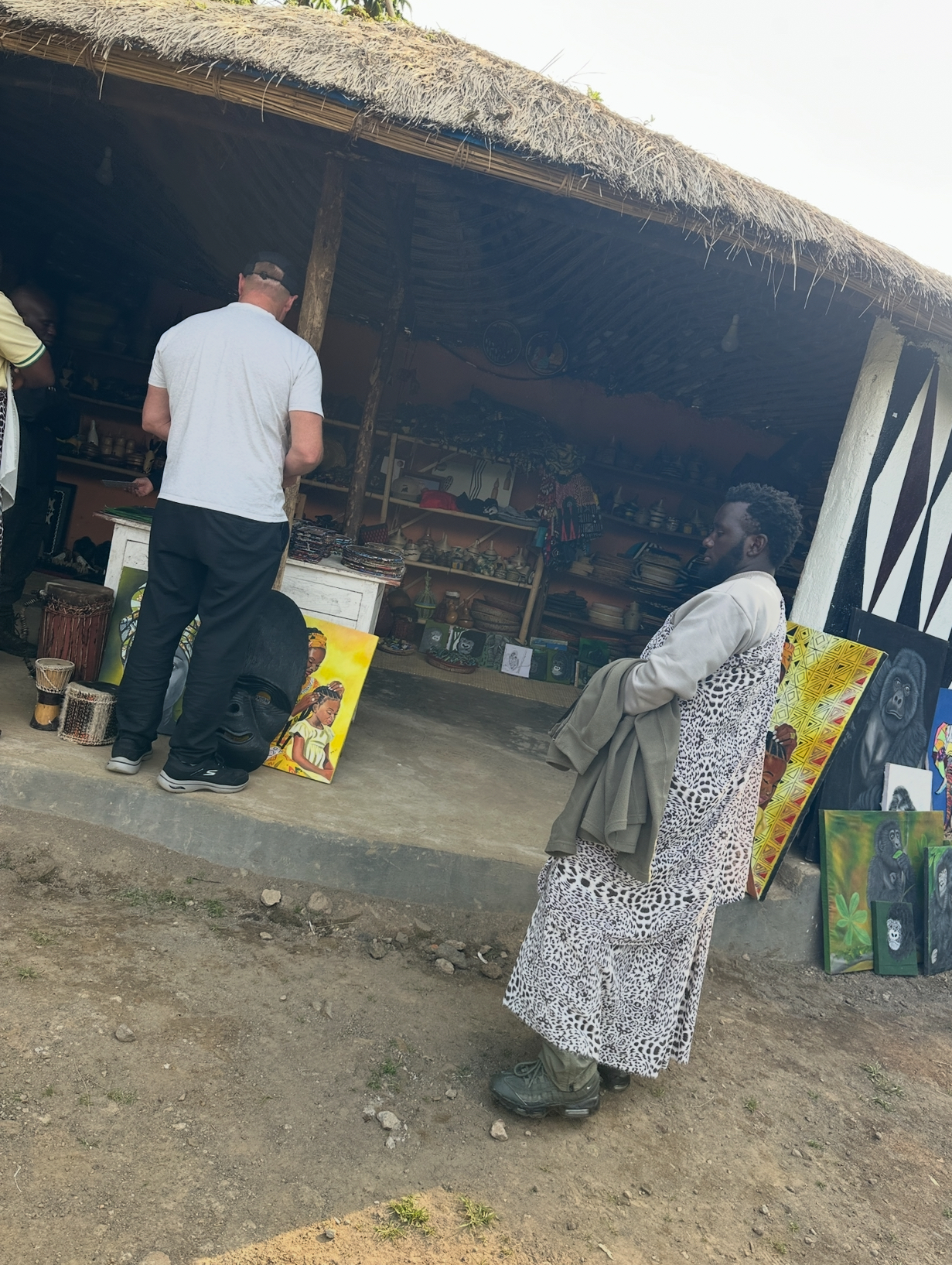
Abaturage bavuga kandi ko ubudozi bw’uduseke bufite uruhare mu kubungabunga umuco nyarwanda, kuko ibicuruzwa byabo bikundwa n’abasura igihugu, cyane cyane ba mukerarugendo basura Pariki y’Igihugu y’Ibirunga.
Premier League side Aston Villa has announced a major partnership with Rwanda through the country’s Visit Rwanda tourism campaign, in a deal that makes the East African nation the club’s Principal Partner while strengthening cooperation in tourism promotion and sports development.
The agreement, unveiled by Aston Villa on Monday, will see Visit Rwanda become the club’s Principal Partner, Official Tourism Partner, and Official Coffee Provider. The partnership reflects Rwanda’s continued strategy of using international sport as a platform to promote its tourism industry, investment opportunities, and global profile.
Under the terms of the agreement, the Visit Rwanda logo will feature on the front of the playing shirts worn by Aston Villa’s men’s first team, women’s team, and academy sides. Club officials described the sponsorship as the largest commercial partnership in Aston Villa’s history.
“This partnership represents an exciting new chapter for Aston Villa and demonstrates our shared ambition to create a lasting impact both on and off the pitch,” the club said in a statement announcing the agreement.
Beyond commercial sponsorship, the partnership will focus on developing football and supporting community initiatives. Aston Villa and Visit Rwanda plan to collaborate on coaching education, youth football development, leadership programmes, and projects designed to improve opportunities for young people through sport.
The two organizations also intend to work together on community outreach activities and social development programmes that promote education, inclusion, and sustainable growth. Club officials said the partnership reflects football’s ability to connect communities while contributing to broader economic and social development.
For Rwanda, the agreement marks another significant step in expanding the global reach of the Visit Rwanda campaign. Launched to position Rwanda as a leading tourism and investment destination, the initiative has gained international recognition through partnerships with major European football clubs and global sporting events.
Tourism is one of Rwanda’s key economic sectors, and the government has increasingly invested in international marketing campaigns to attract visitors from around the world. The country is widely known for its mountain gorillas, national parks, conservation efforts, conference tourism, and rapidly growing hospitality industry.
Officials believe the partnership with Aston Villa will further increase Rwanda’s visibility among the Premier League’s global audience, estimated to reach hundreds of millions of viewers across television and digital platforms each season. The exposure is expected to support efforts to attract more international tourists and investors while showcasing Rwanda’s culture, natural attractions, and business opportunities.
For Aston Villa, the agreement provides an opportunity to expand its international footprint and strengthen relationships with supporters across Africa and beyond. The club has continued to grow commercially following its return to European competition and has sought partnerships that align with its long-term global ambitions.
The collaboration also aims to facilitate knowledge exchange between Rwanda and Aston Villa in areas including football management, coaching, youth talent development, and community engagement. Young Rwandan players and coaches are expected to benefit from training opportunities and technical expertise through the partnership.
The announcement adds Aston Villa to the growing list of leading European football clubs that have partnered with Visit Rwanda in recent years. The initiative continues to demonstrate Rwanda’s commitment to leveraging sport as a driver of tourism, international cooperation, and economic development.
Both Aston Villa and Visit Rwanda expressed confidence that the partnership will create long-term value by combining the global appeal of Premier League football with Rwanda’s vision for sustainable tourism, youth empowerment, and international engagement.
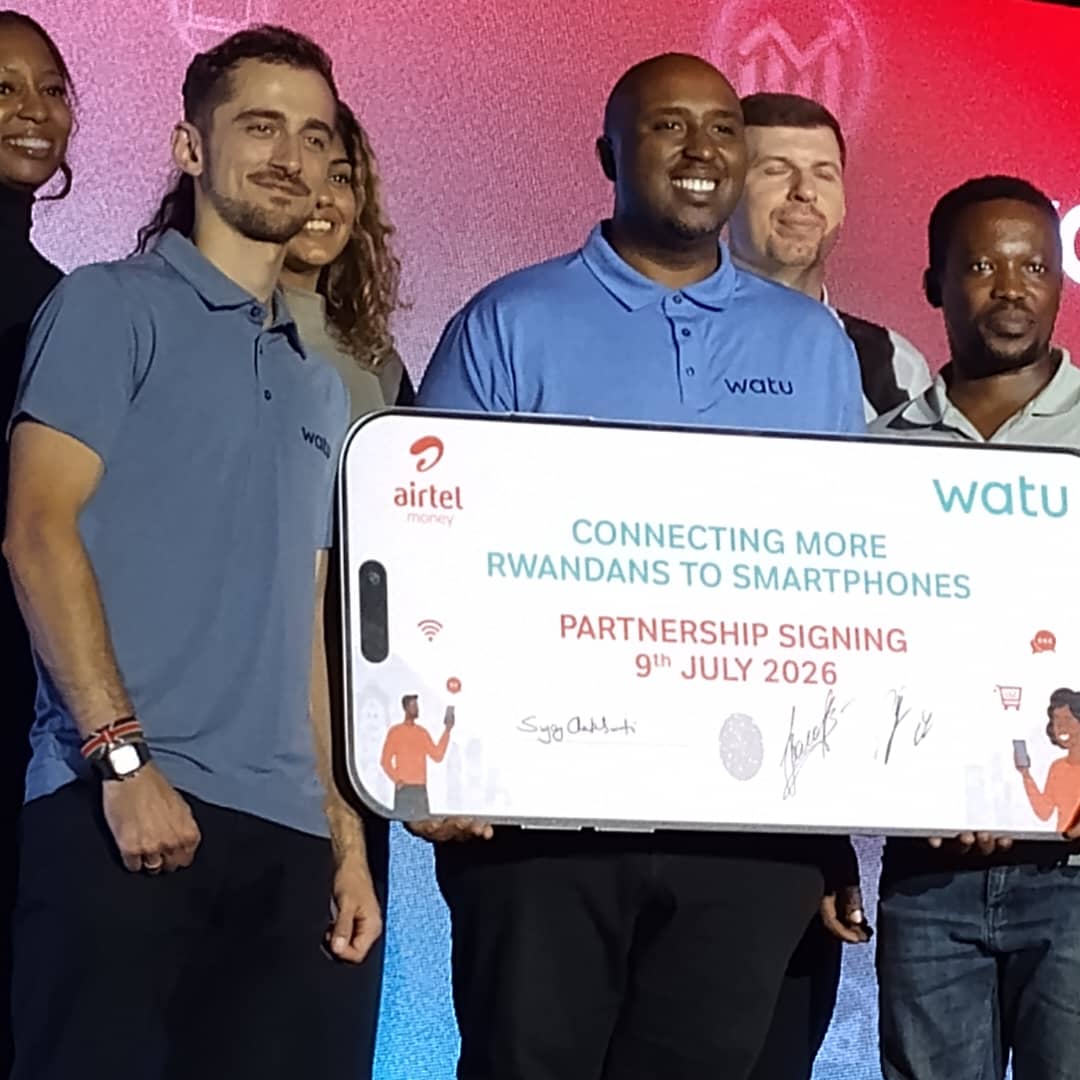
Airtel Rwanda, one of the country’s leading telecommunications operators, has partnered with WATU Credit Rwanda to launch a new smartphone financing initiative aimed at making modern Samsung smartphones more affordable and accessible to Rwandans.
The program allows customers to purchase selected Samsung smartphones through a flexible installment payment plan, reducing the financial burden of paying the full price upfront. Under the new arrangement, customers can acquire a smartphone with an initial deposit starting from RWF 45,000, while the remaining balance is paid in manageable monthly installments.
One of the key features of the financing program is that customers can continue using their smartphones immediately after purchase while they are still making installment payments.
As long as they comply with the agreed repayment schedule established with WATU Credit Rwanda, they will retain uninterrupted access to both their devices and Airtel’s digital services.Industry experts believe that financing models such as this could play a significant role in increasing smartphone penetration in Rwanda, particularly among young people, students, informal traders, and rural communities.
Wider smartphone adoption is expected to stimulate economic growth by expanding access to digital financial services, e-commerce platforms, online education, and employment opportunities.The initiative also supports Rwanda’s broader national strategy of building a digital economy.
The Government of Rwanda has consistently prioritized digital transformation through investments in broadband infrastructure, digital public services, financial technology, and innovation.
Affordable smartphone ownership is considered a key factor in ensuring that citizens can fully participate in these digital opportunities.Officials from both Airtel Rwanda and WATU Credit Rwanda expressed confidence that the partnership will contribute to bridging the country’s digital divide while empowering more people through technology.
By making smartphones easier to acquire, the two companies hope to create greater economicopportunities, improve digital literacy, and accelerate Rwanda’s journey toward a more inclusive and connected digital future.
Airtel Rwanda, one of the country’s leading telecommunications operators, has partnered with WATU Credit Rwanda to launch a new smartphone financing initiative aimed at making modern Samsung smartphones more affordable and accessible to Rwandans.
The program allows customers to purchase selected Samsung smartphones through a flexible installment payment plan, reducing the financial burden of paying the full price upfront. Under the new arrangement, customers can acquire a smartphone with an initial deposit starting from RWF 45,000, while the remaining balance is paid in manageable monthly installments.
The initiative is part of a broader effort to promote digital inclusion by ensuring that more people have access to reliable smartphones capable of supporting education, business, financial services, and communication.
Customers will be able to purchase Samsung smartphones including the Samsung Galaxy A06, Galaxy A07, and Galaxy A17, devices designed to provide essential smartphone features at affordable prices. By removing the barrier of high upfront costs, Airtel Rwanda and WATU Credit hope to accelerate smartphone ownership across different income groups.
Speaking during the launch, Emile Kinuma, Managing Director of WATU Credit Rwanda, said the partnership reflects the company’s commitment to improving financial inclusion while helping more Rwandans access quality digital devices.
“Our objective is to ensure that more Rwandans can own modern smartphones that help them connect to digital services, grow their businesses, pursue education, and improve their everyday lives,” Kinuma said.
He explained that although smartphones have become essential tools in today’s digital economy, many people are still unable to purchase them because of the high upfront cost. The installment payment model, he added, is designed to remove that obstacle by spreading payments over an agreed period, making ownership more affordable for families and small business owners.
Kinuma noted that increased smartphone ownership is expected to contribute to Rwanda’s digital transformation by enabling more citizens to participate in online economic activities, government e-services, mobile banking, digital education, and electronic commerce.
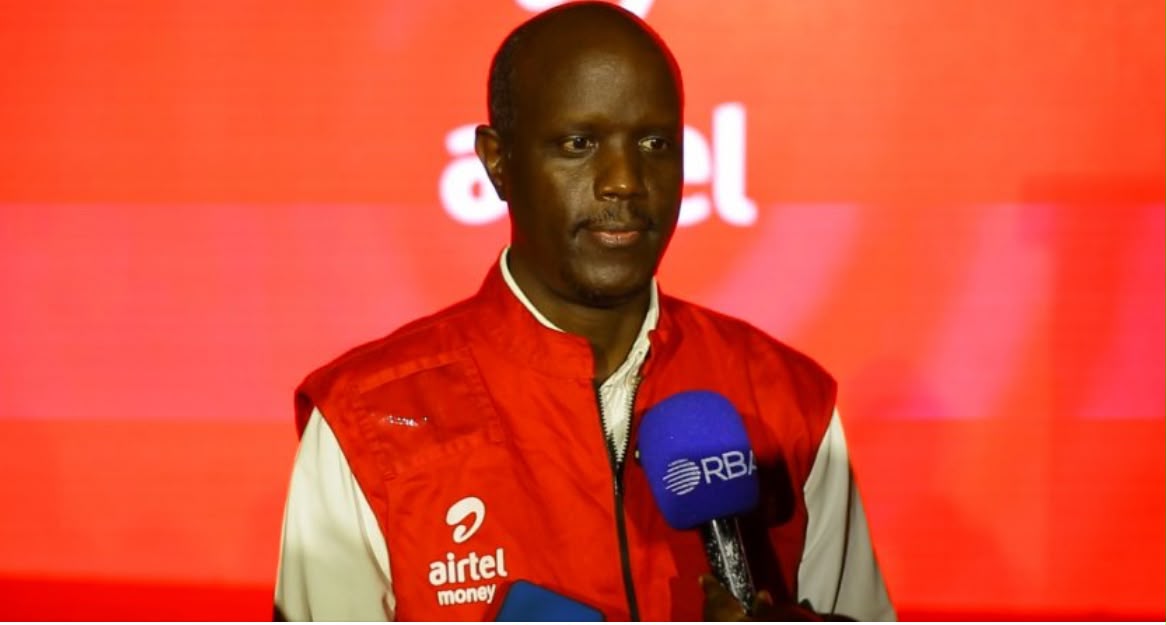
On the side of Airtel Rwanda, John Magara, Head of Brand and Communications, said the partnership aligns with the company’s vision of making digital technology available to every Rwandan regardless of their economic background.
“We are delighted to partner with WATU Credit Rwanda because this initiative will enable many of our customers to own modern smartphones and fully benefit from Airtel’s high-speed internet services as well as our mobile financial solutions,” Magara said.
“Our mission is to continue bringing digital technology closer to every Rwandan. Access to affordable smartphones is an important step toward achieving that goal.”
Magara emphasized that smartphones have become the primary gateway to the internet for millions of Africans. Expanding smartphone ownership, he said, will encourage greater use of online education platforms, digital entrepreneurship, entertainment services, healthcare information, and government digital services.
The Managing Director of WATU, Sujay Chakrabarti, said the company selected Airtel Rwanda as its strategic partner because of its strong nationwide network, trusted reputation, and ability to reach customers across different communities.
“Airtel Rwanda provides reliable services that are accessible to people from all walks of life, including both low-income and higher-income households,” Chakrabarti said.
“That made Airtel the ideal partner for this initiative, which is intended to make smartphone ownership possible for customers who may not be able to pay the full purchase price at once.”
He stressed that smartphones today serve purposes far beyond voice communication.
“A smartphone is now a gateway to countless opportunities. It enables communication, education, entrepreneurship, digital banking, access to public services, online employment, and information sharing. Through this partnership, we want to ensure that more Rwandans can benefit from those opportunities without being limited by the initial cost of purchasing a device.”
One of the key features of the financing program is that customers can continue using their smartphones immediately after purchase while they are still making installment payments. As long as they comply with the agreed repayment schedule established with WATU Credit Rwanda, they will retain uninterrupted access to both their devices and Airtel’s digital services.
Industry experts believe that financing models such as this could play a significant role in increasing smartphone penetration in Rwanda, particularly among young people, students, informal traders, and rural communities. Wider smartphone adoption is expected to stimulate economic growth by expanding access to digital financial services, e-commerce platforms, online education, and employment opportunities.
The initiative also supports Rwanda’s broader national strategy of building a digital economy. The Government of Rwanda has consistently prioritized digital transformation through investments in broadband infrastructure, digital public services, financial technology, and innovation. Affordable smartphone ownership is considered a key factor in ensuring that citizens can fully participate in these digital opportunities.
Officials from both Airtel Rwanda and WATU Credit Rwanda expressed confidence that the partnership will contribute to bridging the country’s digital divide while empowering more people through technology. By making smartphones easier to acquire, the two companies hope to create greater economic
opportunities, improve digital literacy, and accelerate Rwanda’s journey toward a more inclusive and connected digital future.
Airtel Rwanda, one of the country’s leading telecommunications operators, has partnered with WATU Credit Rwanda to launch a new smartphone financing initiative aimed at making modern Samsung smartphones more affordable and accessible to Rwandans.
The program allows customers to purchase selected Samsung smartphones through a flexible installment payment plan, reducing the financial burden of paying the full price upfront. Under the new arrangement, customers can acquire a smartphone with an initial deposit starting from RWF 45,000, while the remaining balance is paid in manageable monthly installments.
The initiative is part of a broader effort to promote digital inclusion by ensuring that more people have access to reliable smartphones capable of supporting education, business, financial services, and communication.
Customers will be able to purchase Samsung smartphones including the Samsung Galaxy A06, Galaxy A07, and Galaxy A17, devices designed to provide essential smartphone features at affordable prices. By removing the barrier of high upfront costs, Airtel Rwanda and WATU Credit hope to accelerate smartphone ownership across different income groups.
Speaking during the launch, Emile Kinuma, Managing Director of WATU Credit Rwanda, said the partnership reflects the company’s commitment to improving financial inclusion while helping more Rwandans access quality digital devices.
“Our objective is to ensure that more Rwandans can own modern smartphones that help them connect to digital services, grow their businesses, pursue education, and improve their everyday lives,” Kinuma said.
He explained that although smartphones have become essential tools in today’s digital economy, many people are still unable to purchase them because of the high upfront cost. The installment payment model, he added, is designed to remove that obstacle by spreading payments over an agreed period, making ownership more affordable for families and small business owners.
Kinuma noted that increased smartphone ownership is expected to contribute to Rwanda’s digital transformation by enabling more citizens to participate in online economic activities, government e-services, mobile banking, digital education, and electronic commerce.
On the side of Airtel Rwanda, John Magara, Head of Brand and Communications, said the partnership aligns with the company’s vision of making digital technology available to every Rwandan regardless of their economic background.
“We are delighted to partner with WATU Credit Rwanda because this initiative will enable many of our customers to own modern smartphones and fully benefit from Airtel’s high-speed internet services as well as our mobile financial solutions,” Magara said.
“Our mission is to continue bringing digital technology closer to every Rwandan. Access to affordable smartphones is an important step toward achieving that goal.”
Magara emphasized that smartphones have become the primary gateway to the internet for millions of Africans. Expanding smartphone ownership, he said, will encourage greater use of online education platforms, digital entrepreneurship, entertainment services, healthcare information, and government digital services.
The Managing Director of WATU, Sujay Chakrabarti, said the company selected Airtel Rwanda as its strategic partner because of its strong nationwide network, trusted reputation, and ability to reach customers across different communities.
“Airtel Rwanda provides reliable services that are accessible to people from all walks of life, including both low-income and higher-income households,” Chakrabarti said.
“That made Airtel the ideal partner for this initiative, which is intended to make smartphone ownership possible for customers who may not be able to pay the full purchase price at once.”
He stressed that smartphones today serve purposes far beyond voice communication.
“A smartphone is now a gateway to countless opportunities. It enables communication, education, entrepreneurship, digital banking, access to public services, online employment, and information sharing. Through this partnership, we want to ensure that more Rwandans can benefit from those opportunities without being limited by the initial cost of purchasing a device.”
One of the key features of the financing program is that customers can continue using their smartphones immediately after purchase while they are still making installment payments. As long as they comply with the agreed repayment schedule established with WATU Credit Rwanda, they will retain uninterrupted access to both their devices and Airtel’s digital services.
Industry experts believe that financing models such as this could play a significant role in increasing smartphone penetration in Rwanda, particularly among young people, students, informal traders, and rural communities. Wider smartphone adoption is expected to stimulate economic growth by expanding access to digital financial services, e-commerce platforms, online education, and employment opportunities.
The initiative also supports Rwanda’s broader national strategy of building a digital economy. The Government of Rwanda has consistently prioritized digital transformation through investments in broadband infrastructure, digital public services, financial technology, and innovation. Affordable smartphone ownership is considered a key factor in ensuring that citizens can fully participate in these digital opportunities.
Officials from both Airtel Rwanda and WATU Credit Rwanda expressed confidence that the partnership will contribute to bridging the country’s digital divide while empowering more people through technology. By making smartphones easier to acquire, the two companies hope to create greater economic opportunities, improve digital literacy, and accelerate Rwanda’s journey toward a more inclusive and connected digital future.