
Melbourne Declaration Signals Shift from Promises to Accountability on Gender Equality
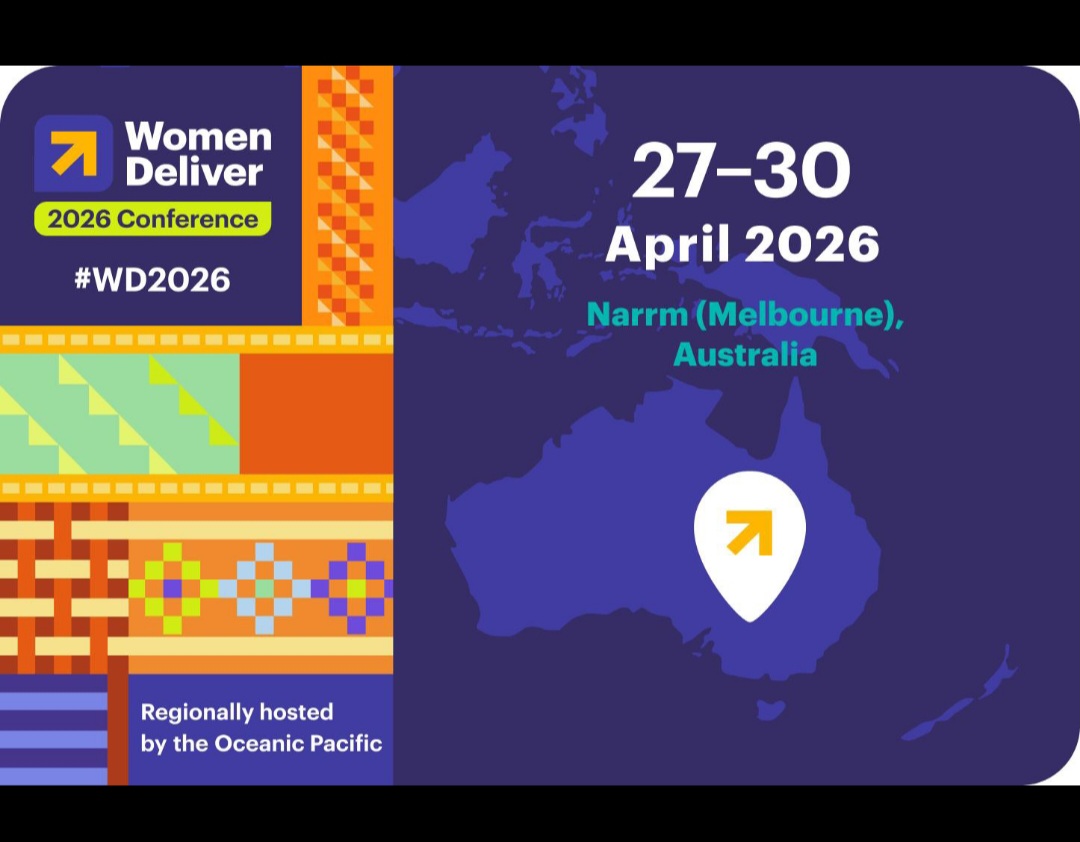
A major step toward advancing gender equality was marked this week with the launch of the Melbourne Declaration at the Women Deliver 2026 Conference (WD2026), signaling a global shift from commitments to accountability.
Held for the first time in the Oceanic Pacific region, the conference brought together over 6,000 delegates from more than 189 countries, creating a powerful platform for dialogue, collaboration, and action at a critical moment for women’s rights worldwide.
Speaking at the event, United Nations Deputy Secretary-General Amina J. Mohammed highlighted the ongoing challenges faced by women and girls, despite decades of global advocacy. She pointed out that more than thirty years after landmark international agreements in Beijing and Cairo, the world is still grappling with fundamental questions about women’s bodily autonomy.
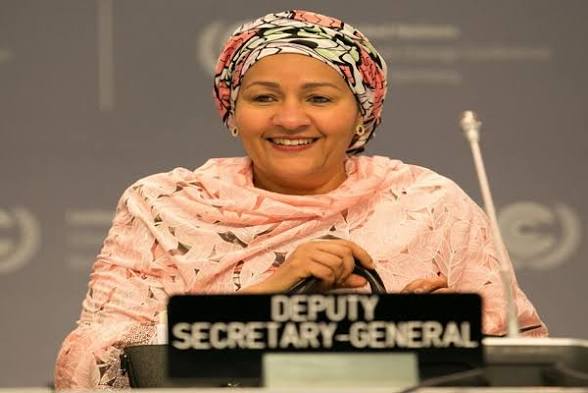
“Securing the rights of women and girls remains unfinished business,” she said, warning that emerging technologies are increasingly amplifying misogyny and online violence.
The Melbourne Declaration seeks to address these persistent gaps by focusing on delivery rather than promises. It outlines a global commitment to rebalance power, resources, and accountability, while bridging the gap between policy commitments and the everyday realities of women, girls, and gender-diverse people.
Unlike many traditional frameworks, the Declaration is not owned by a single organization. Instead, it reflects the voices of more than 650 contributors from diverse regions, generations, and movements. It identifies systemic failures and calls for urgent reforms in how gender equality initiatives are implemented.
Central to the Declaration is a call for governments to uphold human rights obligations, institutions to strengthen accountability mechanisms, and funders to invest directly in feminist movements and locally led initiatives. Several countries, including Canada, France, Mexico, Spain, and the United Kingdom, have already endorsed the initiative.
Women Deliver President and CEO Dr. Maliha Khan described the Declaration as a turning point in the global gender equality movement. She emphasized that the challenge is not a lack of commitments, but a failure to implement them effectively.
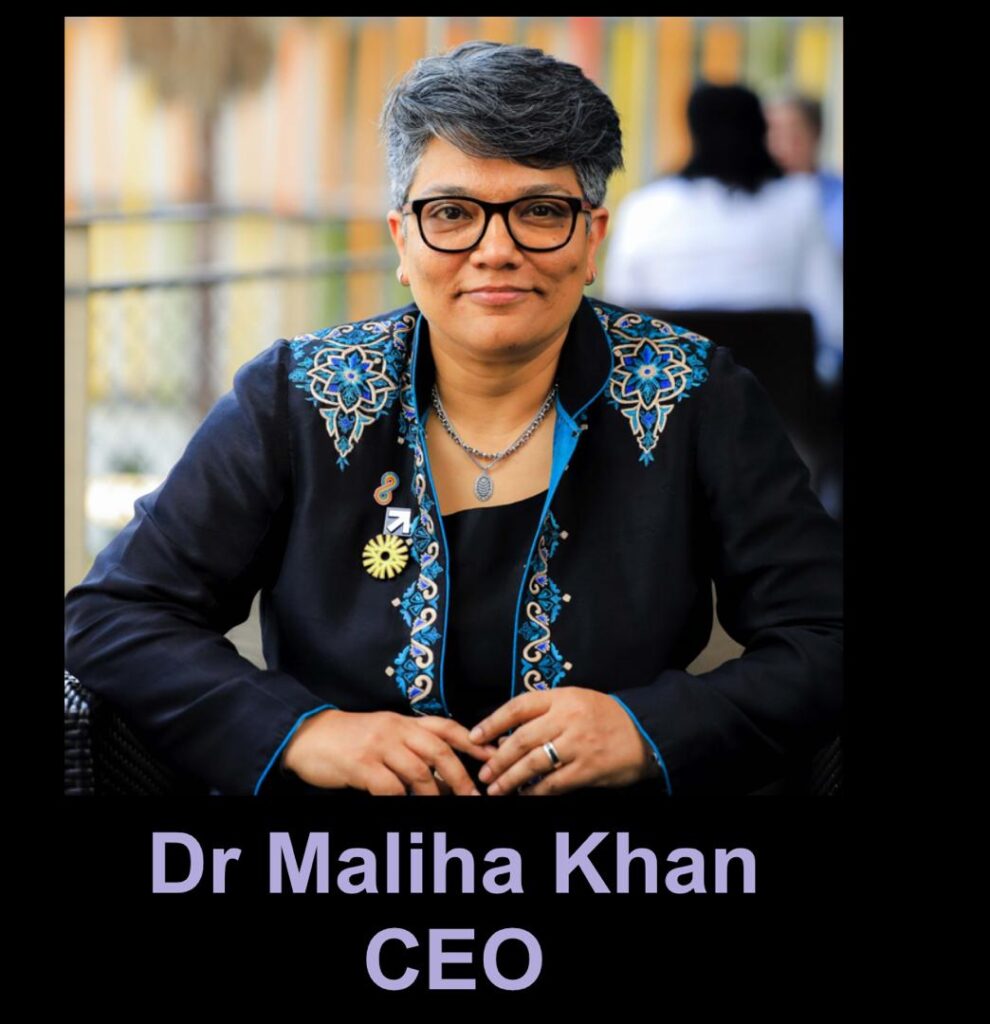
“It’s a commitment to do things differently,” she said. “What comes next must be defined by accountability to people, not just to systems.”
The conference also highlighted the importance of local leadership, particularly from First Nations and Indigenous communities. Their perspectives were central to discussions, reinforcing the need to ground global commitments in lived experiences and local realities.
Throughout the event, participants explored the structural barriers undermining progress, including chronic underinvestment, shrinking civic space, and the rise of organized anti-rights movements. These challenges, combined with global crises such as climate change and economic instability, continue to threaten hard-won gains in gender equality.
To respond to these issues, the Melbourne Declaration calls for a reorientation of the global gender equality ecosystem. It emphasizes strengthening public systems, empowering civil society, and ensuring that international actors support, rather than replace, local leadership.
In addition to the Declaration, the conference saw the announcement of significant financial commitments totaling approximately $190 million. These include investments in adolescent girls, health systems, and efforts to combat technology-facilitated gender-based violence.
Among the key initiatives launched were the Adolescent Girls Era Campaign, a global coalition to prevent online violence, and new funding programs supporting grassroots feminist movements. These initiatives aim to translate commitments into tangible outcomes on the ground.
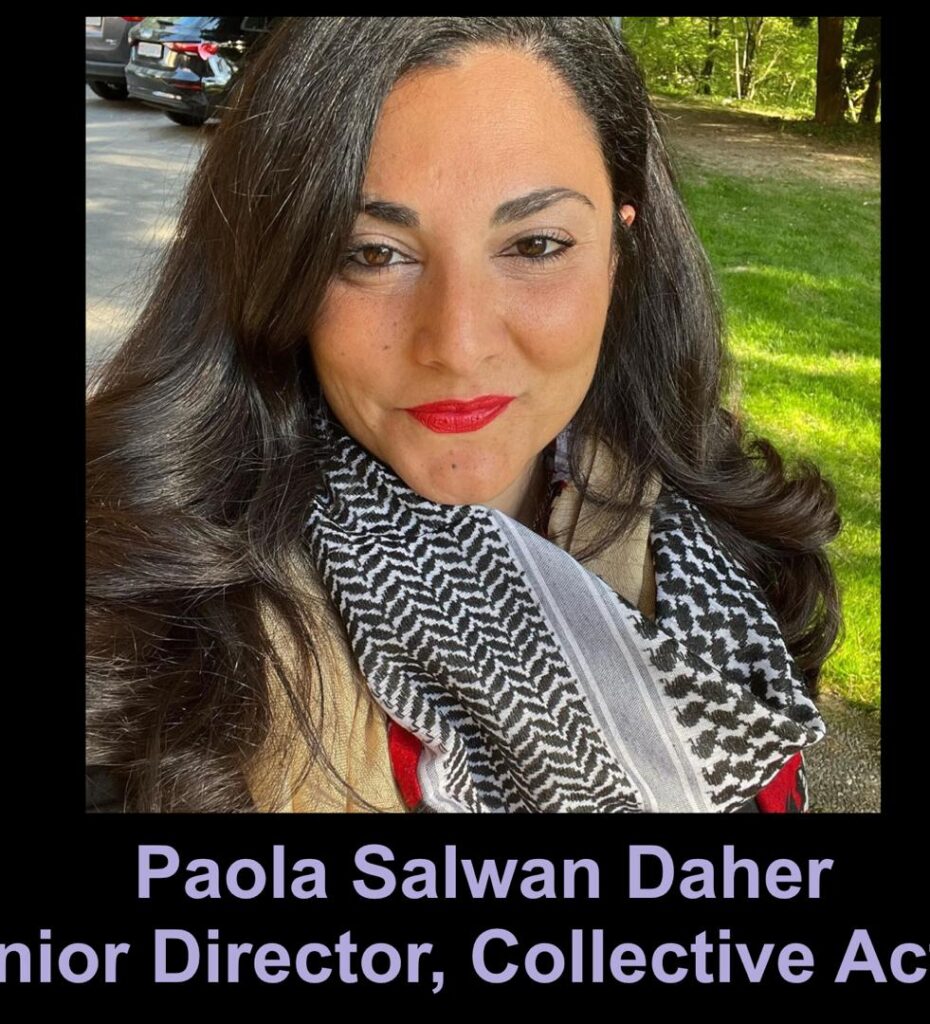
Paola Salwan Daher, Senior Director for Collective Action at Women Deliver, noted that the Declaration provides a shared framework for accountability across governments, institutions, and funders.
As the conference concludes, attention now turns to implementation. Observers say the real impact of the Melbourne Declaration will depend on how effectively its principles are translated into policies, financing, and concrete actions.
With growing global uncertainty and mounting challenges, the Declaration represents both a warning and an opportunity. Its success will ultimately be measured by whether it delivers meaningful change for those who need it most—women, girls, and marginalized communities worldwide.
By:Imena