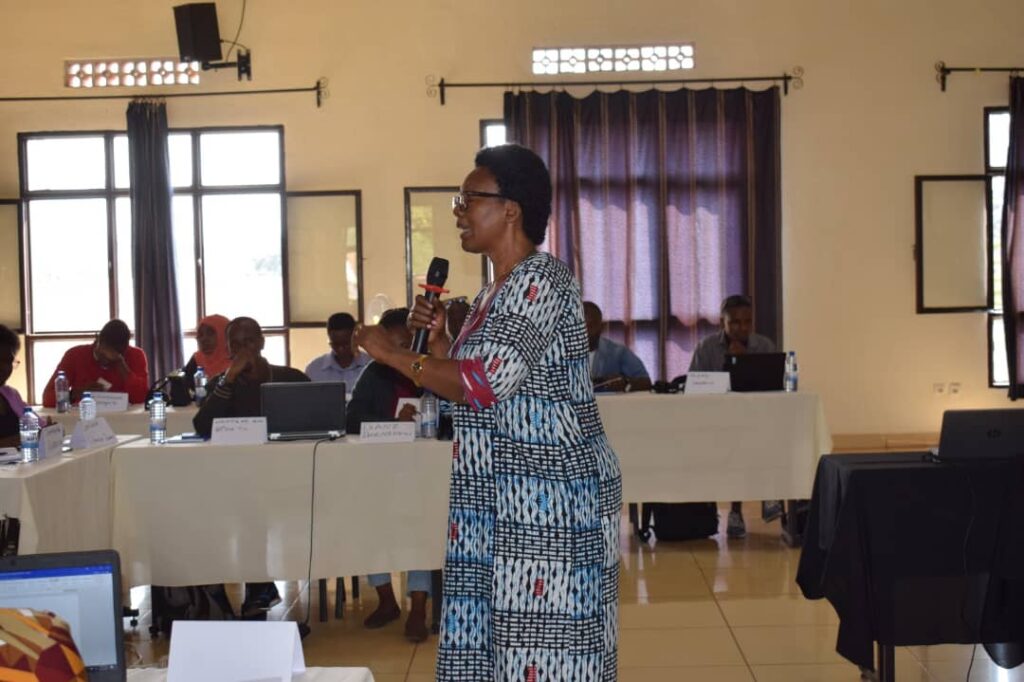
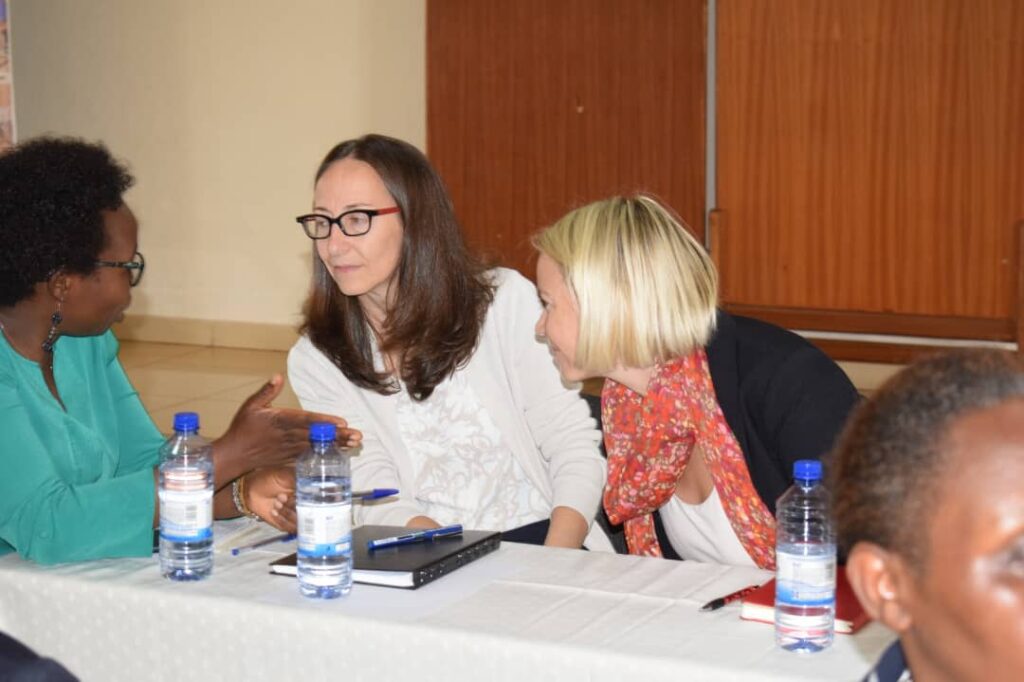
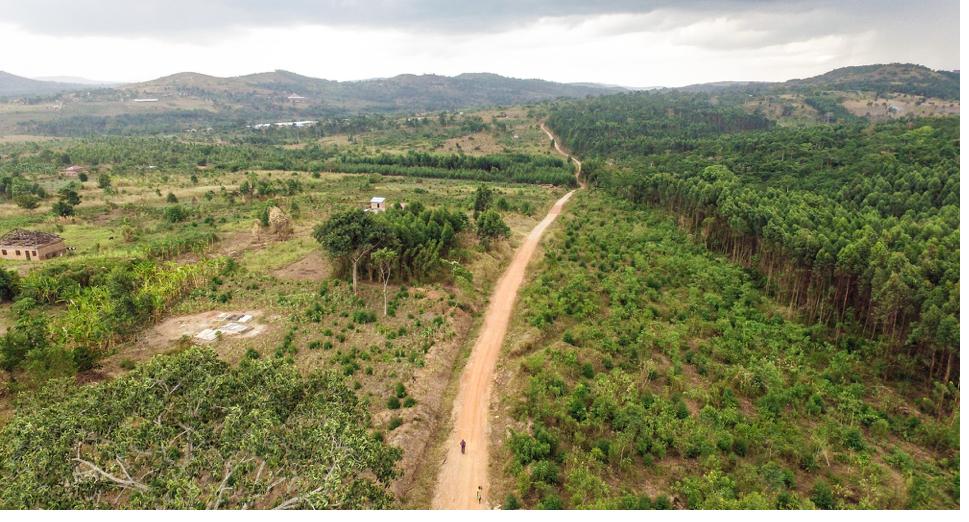
Abajyanama n’abashoramari barashimira iri teka kuko rifasha gusuzuma neza uko imishinga ikora ku baturage no kwirinda amakimbirane ajyanye n’ubutaka. Bavuga kandi ko rizatuma habaho ubufatanye bw’inzobere zitandukanye mu gufata ibyemezo byizewe kandi birambye.
Inyungu zitezwe
Kurinda abaturage n’ibidukikije hakiri kare.
Kugabanya igihombo no gutinda ku mishinga.
Kongera ubwizerane n’ishyirwa mu bikorwa ry’imishinga.
Gukurura abashoramari b’imbere mu gihugu n’abanyamahanga.
Gushyiraho uburyo bukomeye bwo kugenzura ishyirwa mu bikorwa ry’imishinga no kurinda ibidukikije.
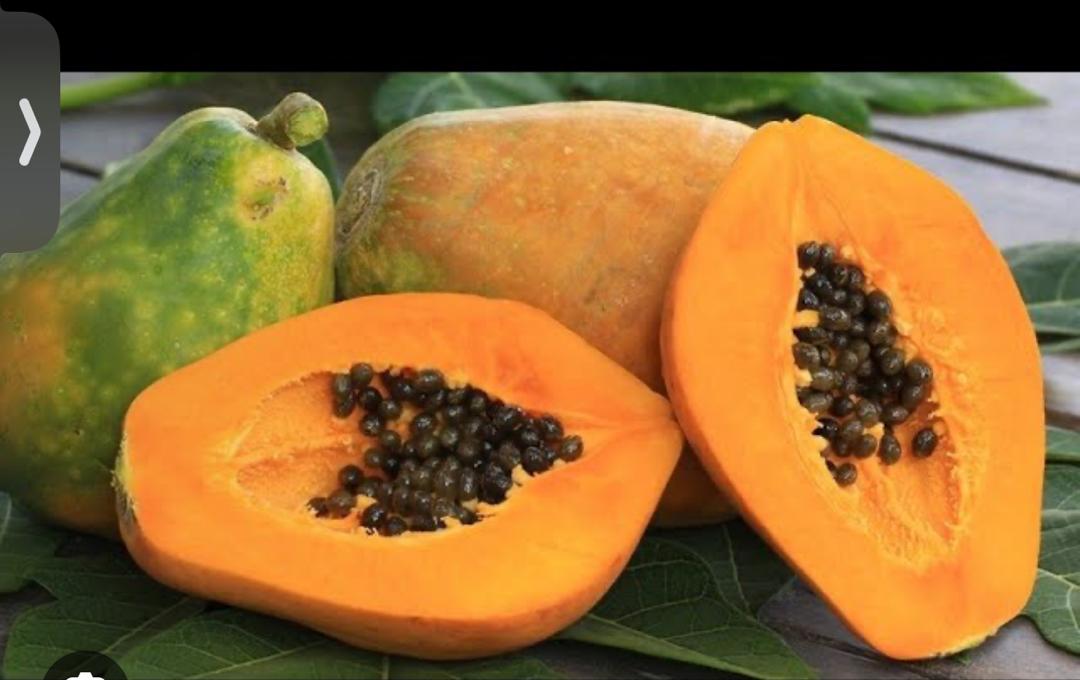
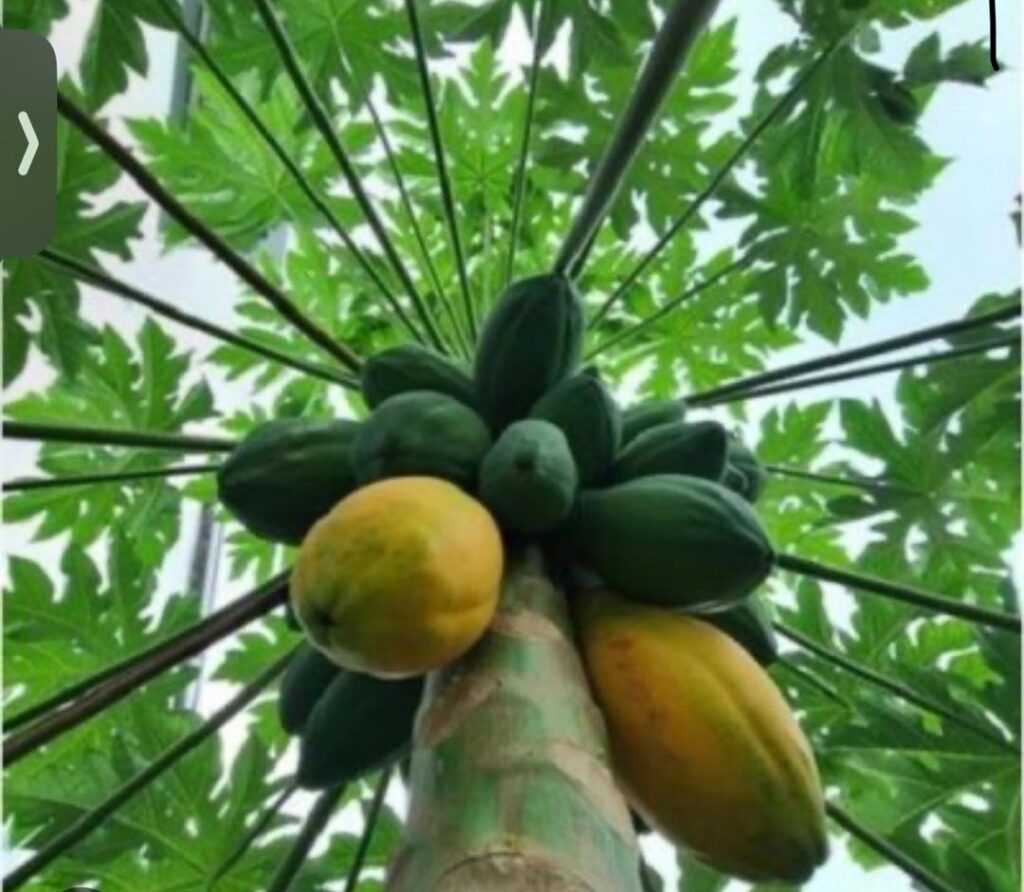
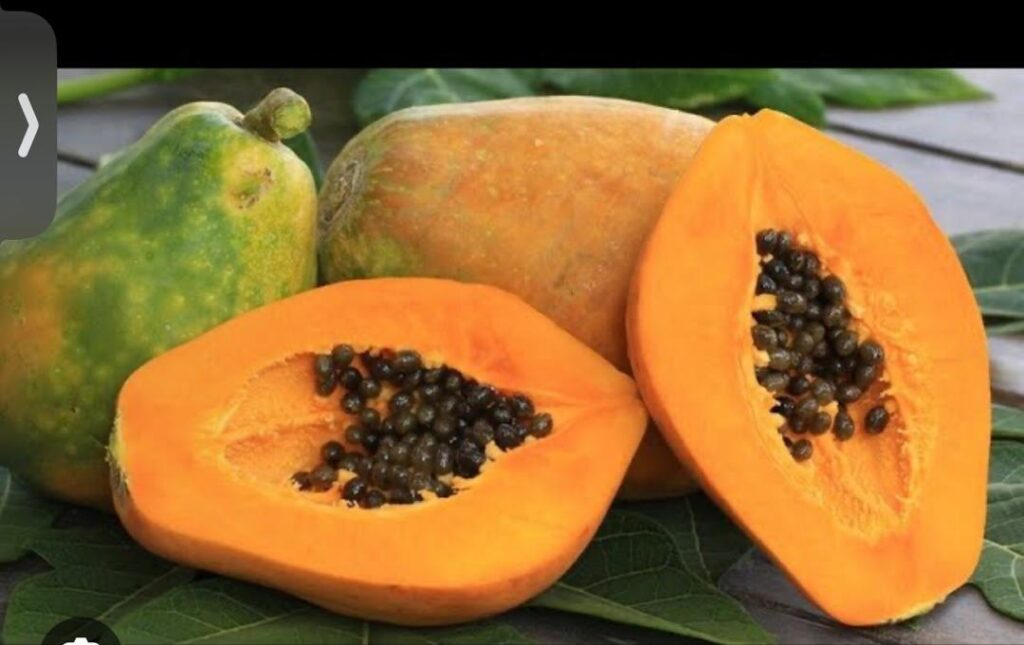
Mu Rwanda, ipapayi riboneka henshi mu turere two mu misozi miremire n’ahantu hashyushye. Abantu benshi barirya nk’imbuto isanzwe, abandi barikoresha mu gukora imitobe. Hari n’abarishyira mu biryo nka salade cyangwa barikoresha mu guteka inyama kugira ngo zorohe neza.
Ipapayi ni impano y’agaciro ku buzima bw’umuntu. Uretse kuba isoko y’intungamubiri zifasha mu mikorere y’umubiri, rifite n’akamaro gakomeye mu buvuzi gakondo gakoresha amababi, imbuto n’umutobe waryo. Kurya ipapayi kenshi ni inzira nziza yo kugira ubuzima buzira umuze, no kwifashisha kamere mu kwivuza.
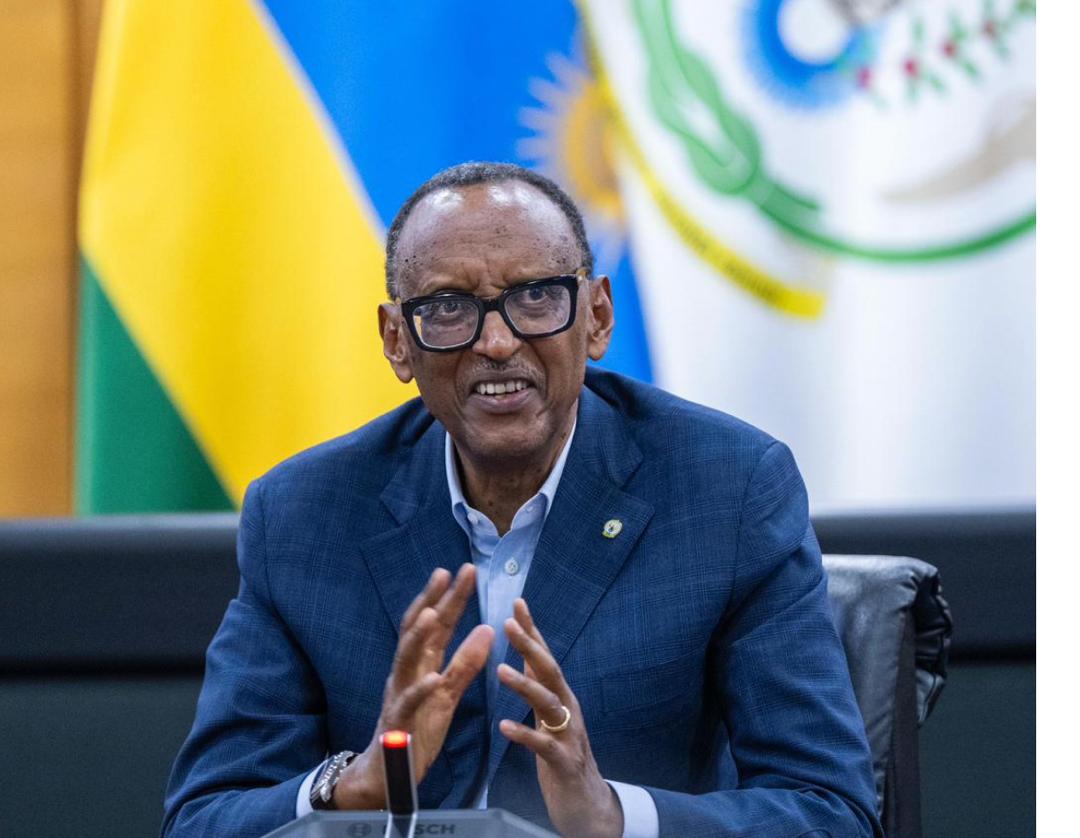
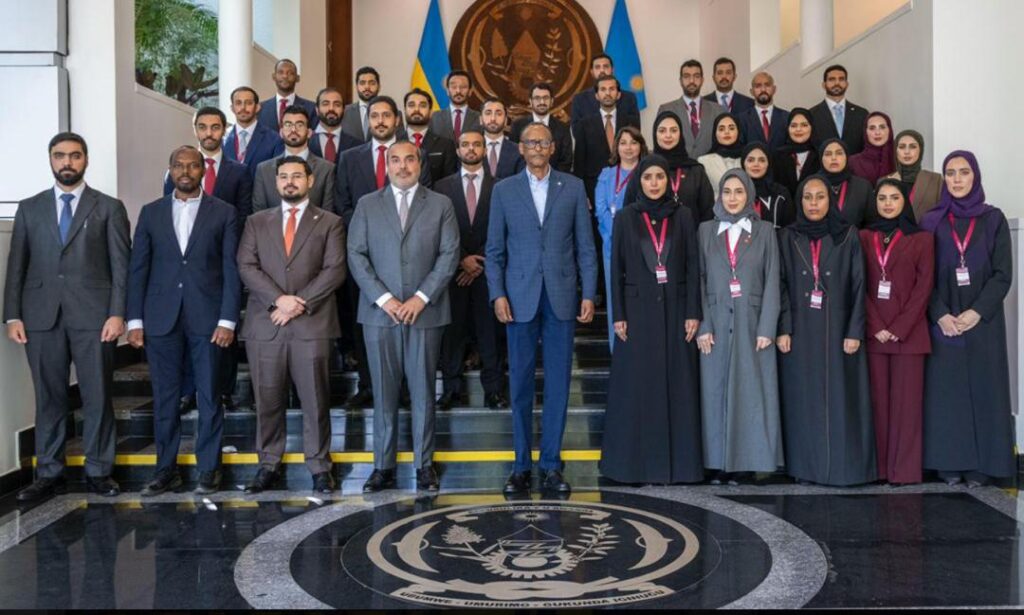
Lors d’une rencontre organisée au Centre du Leadership du Rwanda, le Président Paul Kagame s’est adressé à des dirigeants qataris en formation, leur transmettant un message de résilience et de responsabilité :
Il a souligné que tout être humain peut commettre des erreurs, mais que l’essentiel est de ne pas demeurer au sol : « Vous pouvez faire des erreurs… mais tomber ne signifie pas rester à terre. Relevez-vous et continuez d’avancer ! »
Kagame a évoqué les 31 années pendant lesquelles le Rwanda a surmonté des défis immenses, affirmant que ce sont les Rwandais eux-mêmes — et personne d’autre — qui devaient impulser leur propre relèvement : « Si vous attendez que quelqu’un d’autre vienne résoudre le problème, c’est fini… vous ne le résoudrez jamais. »
Il a également insisté sur l’importance de l’unité, de la réconciliation, et du dépassement des divisions historiques pour construire un avenir meilleur : chacun, y compris les étrangers qui respectent les lois, a un rôle à jouer dans la reconstruction de la nation.
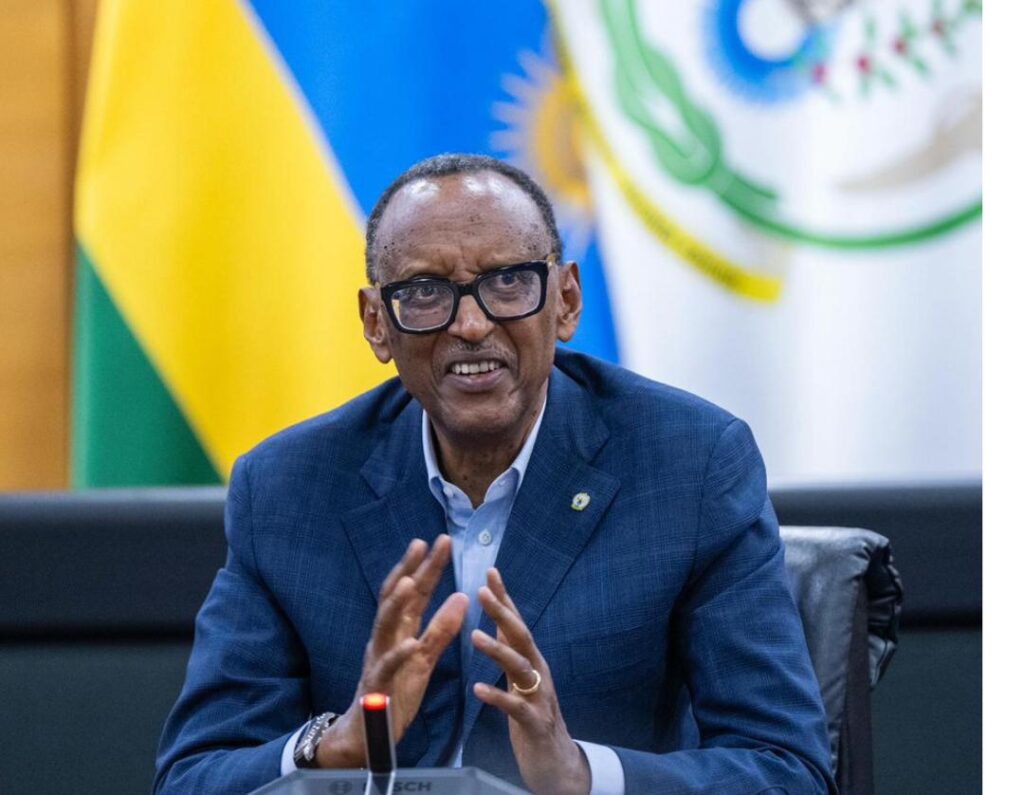
Paul Kagame., Le Président de la République du Rwanda
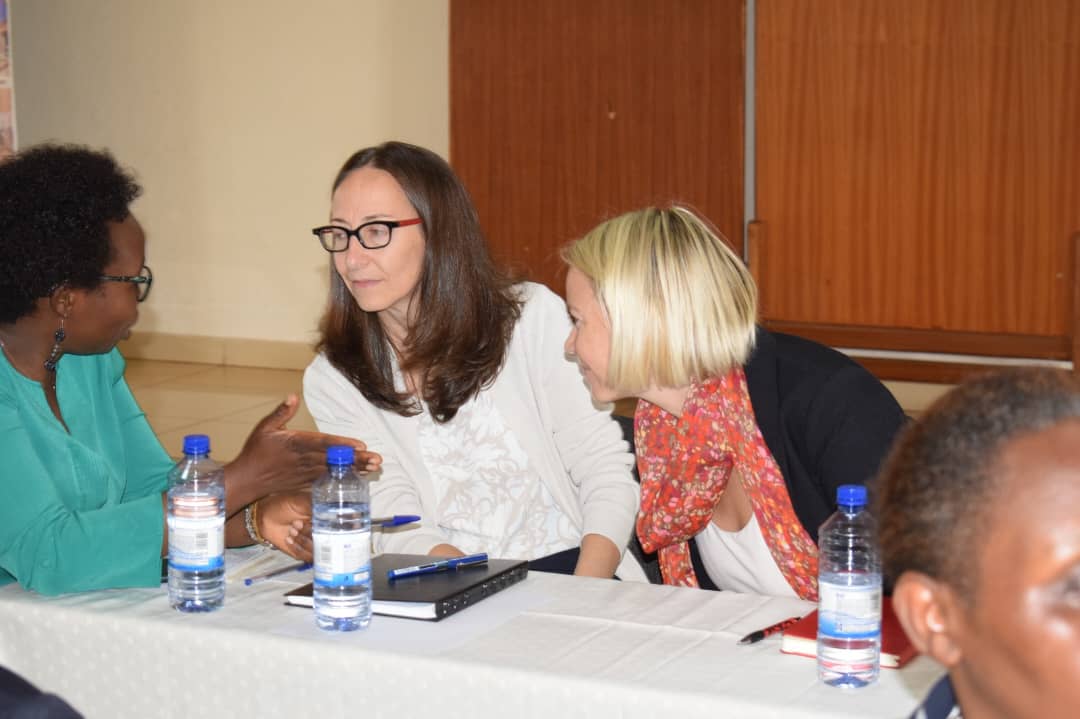
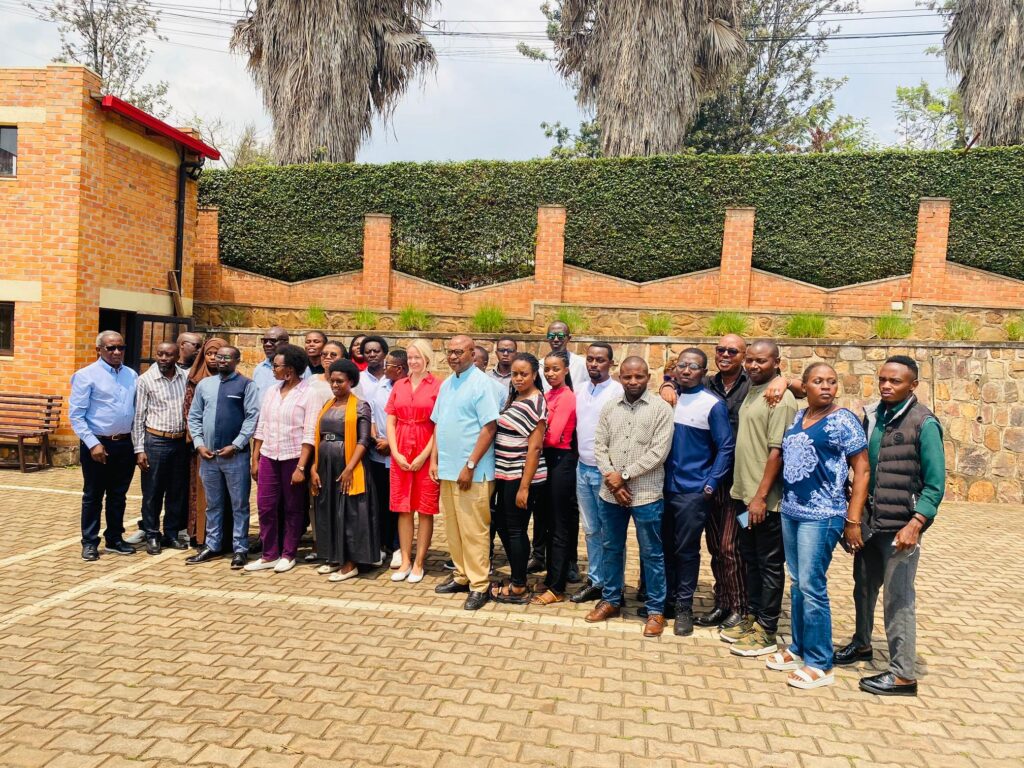
Abanyamakuru ndetse n’abandi baharanira uburenganzira bwa muntu bahuguwe mu gihe cy’iminsi 5 ku bijyanye no gutara inkuru ndetse no gukora raporo ku burenganzira bwa muntu.
Amahugurwa yatangiye ku itariki ya 25 Ukwa Munani, akaba yaratewe inkunga n’igihugu cya Canada, kizwiho kuza imbere mu guharanira uburenganzira bwa muntu. Emmanuel Gasingwa, usanzwe uharanira uburenganzira bwa muntu, yavuze ko mbere afataga uburenganzira bwa muntu muri rusange akumva ko hari undi muntu uzabishyira mu bikorwa. Nyuma y’aya mahugurwa yavuze ko agiye kubikorana umwete kurushaho, aharanira uburenganzira bwa muntu.
Yagarutse kandi ku buryo mu kazi ke ka buri munsi yabonaga uburenganzira bwa muntu buhutazwa cyane cyane mu bigo by’amashuri, aho umwalimu, umuyobozi cyangwa abanyeshuri bashoboraga kubangamira uburenganzira bwa mugenzi wabo. Yiyemeje gukora ubuvugizi ndetse no gukebura ababa bakoze ibikorwa bihungabanya cyangwa bibangamira uburenganzira bwa muntu.
Yakomeje avuga Ati. “Ikindi nakuyemo ni ubumenyi ku bijyanye n’uburyo nabika amakuru yanjye, cyane ko muri iyi minsi ibintu byose byabaye ikoranabuhanga. Twize ‘data security’, nk’umunyamakuru rero ni ingenzi kugira ubumenyi buhagije ku bijyanye n’ikoranabuhanga, ndetse no kumenya uburyo wabika amakuru yawe nta wundi muntu uyabonye.”
Alphonse Bizimana, uhagarariye umuryango wateguye amahugurwa, yashimiye abitabiriye amahugurwa avuga ko icyabateye kuyategura ari uko bajyaga babona inkuru zanditswe ariko zifite inenge, nubwo zaba ari ntoya. Yongeyeho ko ibyo bigatuma inkuru itakaza agaciro, bityo bagatekereza gutegura amahugurwa kugira ngo abanyamakuru barusheho gukora akazi kabo kinyamwuga. Yashimangiye ko Canada idahwema gushyigikira imiryango iharanira uburenganzira bwa muntu, asaba n’abanyamakuru gushyira mu bikorwa ubumenyi bahawe.
Madame Maitre Rose Mukantabana, wahoze ari umudepite mu Nteko Ishinga Amategeko, akaba ari na we wari umufasha mu myumvire muri ayo mahugurwa, yasangije abanyamakuru ubumenyi ku bijyanye no gukora inkuru zicukumbuye cyane, iz’ubuvugizi n’uburenganzira bwa muntu. Yabigarutseho cyane kuko abifitemo uburambe, ndetse avuga ko n’ubushobozi yakuye mu biganiro byatanwe nabwo bwari ngombwa.
Umuryango Stradh washinzwe mu mwaka wa 2011 n’abantu bakoraga mu bijyanye n’uburenganzira bwa muntu. Ntibawutangije bagamije inyungu zabo bwite, ahubwo bawongeramo n’indi gingo yo guharanira uburenganzira bw’abana bakoreshwaga imirimo ivunanye. Watangiye ukorera mu duce dutatu ari two Kigali, Bugesera na Muhanga, ariko kugeza ubu ukorera mu gihugu hose.
Aya mahugurwa yatewe inkunga na Canada, igihugu cyazwi mu kuza imbere mu guharanira uburenganzira bwa muntu budaheza.
Across different regions of the world, stories supported by the Earth Journalism Network (EJN) continue to demonstrate the powerful role of journalism in protecting the planet. From coal mines in India to tropical forests in Uganda and groundwater challenges in South Asia, reporters are proving that well-researched storytelling can mobilize communities, hold leaders accountable, and inspire urgent action on environmental issues.
One of the most striking examples comes from Uganda, where investigative journalist Culton Scovia produced a groundbreaking television report on illegal logging in Buikwe district. Her work revealed widespread deforestation and timber trafficking, as well as the involvement of the National Forest Authority. The story not only captured national attention but also triggered an official investigation, while empowering local communities to stand up for the preservation of their culturally and ecologically important forest. In a country where natural resources are under constant pressure, this investigation is a reminder that environmental journalism can serve as a powerful watchdog for accountability.
Meanwhile, in Odisha, India, EJN-supported photographer Jennifer Kishan documented the devastating impacts of coal mining on landscapes and communities. Her photo essay is now being showcased at the Musée-Mine Départemental in France, bringing these realities to an international audience. This exhibition reflects how local stories, when given a platform, can resonate globally and spark cross-border conversations about sustainability and justice.
EJN’s commitment to nurturing new talent is also visible through its Earth Shorts Fellowship, which has welcomed 20 journalists and content creators from South and Southeast Asia. This diverse group will participate in workshops and mentoring sessions, learning how to create engaging biodiversity content for social media platforms. Through peer-to-peer collaboration, they will not only expand their skills but also explore fresh ways to communicate urgent environmental challenges to wider audiences.
Across Asia and Africa, EJN is scaling its impact by awarding 50 new story grants. Forty-two journalists in Nepal will report on the country’s green growth initiatives, while eight African reporters will focus on the conservation of great apes, some of the most endangered species on the planet. These grants not only support local voices but also encourage diverse storytelling approaches, ensuring that complex issues like climate change, energy transition, and biodiversity loss are covered from multiple perspectives.
In India, attention is turning to renewable energy. A recent workshop in Lucknow trained 17 communicators on critical aspects of the country’s rapid energy transition. In addition, seven new video fellows were selected to produce stories that highlight both the opportunities and challenges of moving toward a cleaner energy future. These efforts are crucial, given India’s position as one of the fastest-growing energy markets in the world.
Other collaborative projects also underscore EJN’s regional impact. A partnership with Thibi produced a data-driven investigation into India’s groundwater crisis, shedding light on an urgent yet underreported issue. In the Philippines, GMA Integrated News completed its Climate+ project, bringing climate reporting into mainstream media. And in Vietnam, more than 30 journalists were trained to strengthen coverage of the country’s decarbonization pathways.
Beyond the tangible stories of deforestation or energy, EJN is also exploring the often-overlooked dimension of Non-Economic Loss and Damage caused by climate change. In June, a workshop in Visakhapatnam, India, brought together 16 communicators to discuss the cultural, social, and ecological losses faced by coastal communities—losses that are not easily measured in monetary terms but remain deeply significant for people’s identity, traditions, and wellbeing.
Finally, EJN continues to foster dialogue and learning opportunities. Journalists across the globe are invited to join its WhatsApp group or network platform, where the next “Ask Me Anything” session will focus on covering extreme heat. With rising temperatures posing serious health risks, this discussion promises to equip reporters with insights from seasoned journalists and health experts on how to effectively report on one of the most pressing climate issues of our time.
From Uganda to India, Nepal to Vietnam, the stories highlighted in this month’s updates illustrate the growing importance of collaborative, well-supported environmental journalism. At a time when climate change and biodiversity loss threaten communities everywhere, the courage and dedication of reporters to uncover the truth and give a voice to the vulnerable remain essential. Their impact proves that good journalism is not only about informing—it is also about transforming societies and safeguarding the future.
An international team of scientists has released groundbreaking findings that could reshape the fight against African swine fever (ASF), one of the deadliest animal diseases threatening pig populations worldwide. Their study reveals that while a promising vaccine candidate offers strong protection against some strains of the virus, it fails to defend against others—underscoring the urgent need for region-specific vaccines.
The research, jointly led by the U.S. Department of Agriculture’s Plum Island Animal Disease Center and the International Livestock Research Institute (ILRI) in Nairobi, tested a live-attenuated vaccine known as ASFV-G-ΔI177L. The results confirmed that a “one-size-fits-all” approach will not work in controlling ASF across diverse regions, given the genetic diversity of the virus.
A Global Threat with Local Consequences
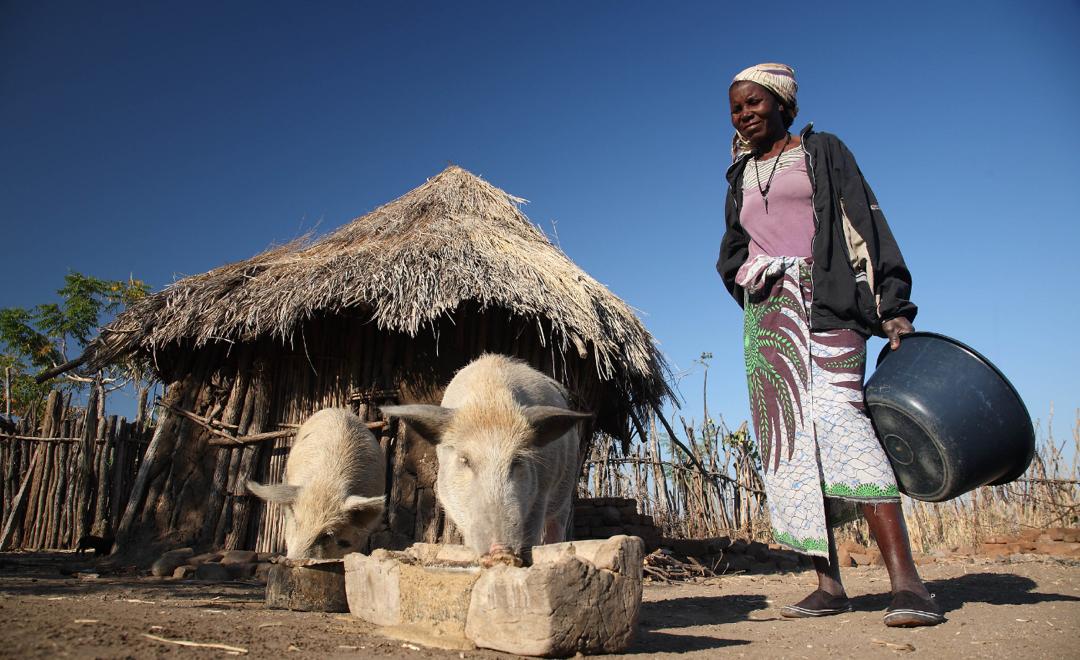
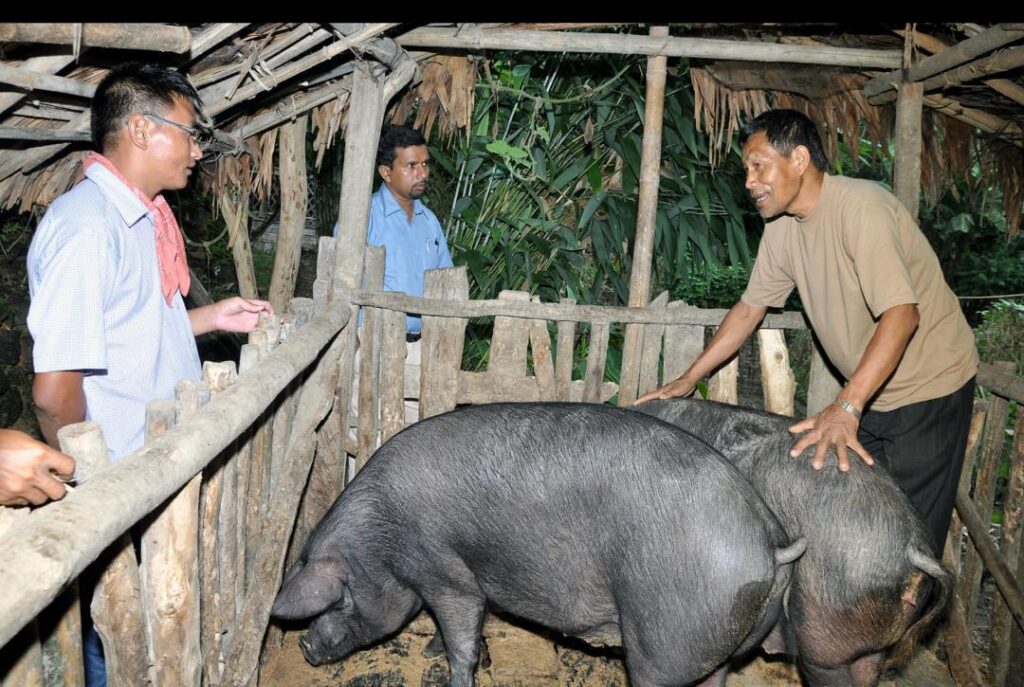
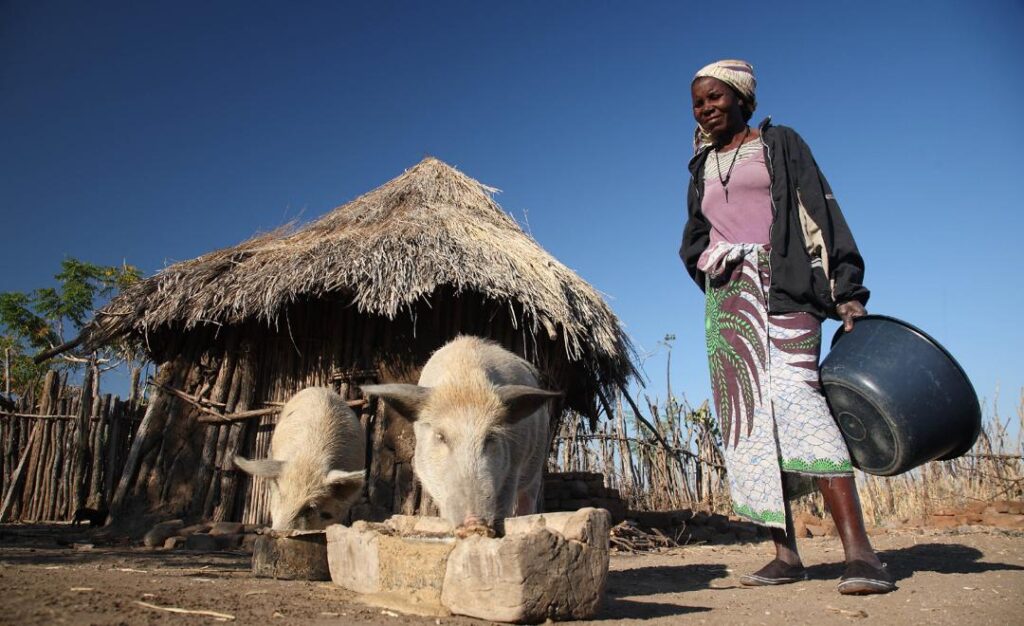
ASF is a highly contagious and often fatal disease affecting both domestic and wild pigs. No globally licensed vaccine currently exists, making outbreaks catastrophic for pig farmers and national economies alike. In Africa, where the disease remains endemic, smallholder farmers are the most vulnerable. For many families, pigs are a critical source of income and food, yet repeated outbreaks have wiped out herds, leaving communities struggling to rebuild.
Beyond Africa, the virus has spread across Asia and Europe in recent years, causing devastating economic losses. The ripple effects extend even further: in North America, the swine industry represents a cornerstone of the economy. In 2023, the U.S. pig sector generated more than USD 27 billion in gross receipts, while Canada’s industry contributed CAD 6.3 billion in 2024. The spread of ASF into these regions would have disastrous economic and food security consequences.
What the Study Found
The team’s trials tested the vaccine candidate against ASF virus strains from different African countries. The results were mixed:
Strong protection: Pigs vaccinated and challenged with the same strain used in developing the vaccine remained healthy, while unvaccinated pigs quickly died.
Partial protection: Roughly 80% of vaccinated pigs survived when exposed to a genetically different strain isolated in Ghana.
No protection: The vaccine failed completely against strains from Malawi, Kenya, South Africa, and Uganda, even though it had triggered strong immune responses.
These results highlight the complex nature of ASF and the limits of existing classification systems. Traditionally, ASF viruses have been grouped using a single gene marker, p72. However, the study revealed that this method is insufficient. For example, two viruses with identical p72 sequences—Georgia2010 and Pret4—produced very different results in vaccinated pigs.
Farmers’ Voices from the Ground
For many pig farmers, these findings are not just scientific—they are deeply personal.
“When ASF struck our village, I lost 18 pigs in one week,” recalls Grace Nambiro, a smallholder farmer from Uganda. “For us, pigs are school fees and daily meals. Without them, we are left with nothing.”
In Kenya, Joseph Otieno, a young farmer, shares a similar story: “I had dreams of expanding my piggery business, but ASF destroyed my herd twice. If a vaccine really works here, it would mean hope for my generation.”
Such testimonies underline why scientists are emphasizing regional solutions. A vaccine that works in one country but fails in another cannot meet the urgent needs of farmers who depend on pigs for survival.
Rethinking Vaccine Strategies
To address this, USDA scientists developed a new classification method that examines the virus’s entire set of protein-coding genes. This whole-genome approach provides a more accurate way to predict how a vaccine will perform against different regional strains.
“Although much further corroborative experimental work is needed, the classification developed will likely be the only available rational approach for deciding vaccination procedures to control and manage ASF outbreaks,” explained USDA scientist Manuel Borca.
ILRI Senior Scientist Anna Lacasta added: “This research reinforces the need to rethink our ASF vaccine strategies. A one-size-fits-all solution is unlikely. We need targeted vaccines aligned with regional virus biotypes to maximize protection and control outbreaks. There is a pressing need to support the development and licensing of vaccines tailored to circulating ASFV biotypes.”
The Way Forward
The study’s findings make clear that ASF cannot be tackled through a single universal vaccine. Instead, researchers are calling for continued investment into region-tailored vaccines, as well as exploring new designs capable of offering broader protection. Strengthening local surveillance systems, sequencing ASF virus strains, and building vaccine manufacturing capacity in affected regions will be key steps toward managing the disease.
For smallholder farmers in Africa, especially women and youth who are heavily engaged in pig farming, the stakes are high. Protecting pigs from ASF not only safeguards food security but also secures livelihoods and economic resilience.
As the threat of ASF looms globally, this research represents a critical step forward. By shifting the focus toward precision vaccine strategies, scientists hope to provide farmers and industries with the tools they need to withstand and ultimately overcome one of the greatest challenges facing livestock today.
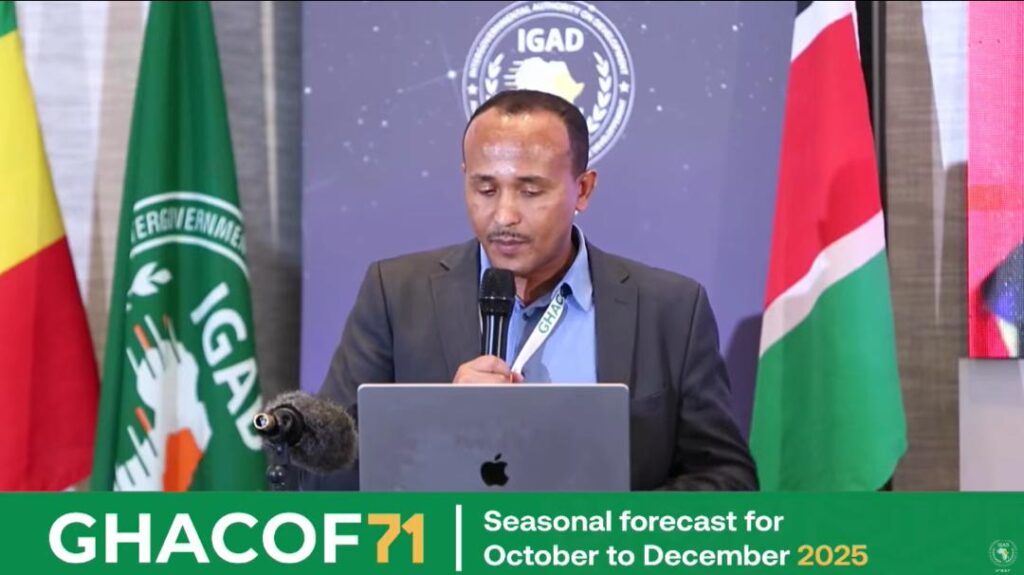
Nairobi, Kenya, 26 August 2025 – The IGAD Climate Prediction and Applications Centre (ICPAC), in collaboration with National Meteorological and Hydrological Services (NMHSs), WMO, and development partners, has released the seasonal climate outlook for October to December (OND) 2025 during the 71st Greater Horn of Africa Climate Outlook Forum (GHACOF 71). The forum brought together experts and decision-makers to assess the June–September season and provide a consolidated forecast for the upcoming OND rainfall period.
OND is a critical rainfall season for the equatorial Greater Horn of Africa, contributing up to 70% of annual totals in areas of Kenya and Somalia. The forecast highlights a higher likelihood of below-normal rainfall across most of the region, particularly over southern Ethiopia, much of Somalia, eastern Kenya, and parts of central and southern Tanzania. Conversely, wetter-than-normal conditions are expected in south-eastern South Sudan, north-eastern and south-western Uganda, northern Somalia, northern Rwanda, and parts of Burundi and western Tanzania. Some areas, including Rwanda and Burundi, may receive over 300 mm of rainfall.
The outlook also points to a delayed onset of rains in the eastern sector—southern Somalia, eastern/central Kenya, and parts of Tanzania—while the western sector, including Uganda, Rwanda, Burundi, and South Sudan, is expected to experience early to normal onset.
On temperatures, ICPAC projects warmer-than-average surface conditions across much of the region, especially in the east. However, cross-border areas of Uganda, Kenya, South Sudan, and north-western Sudan are likely to experience average to slightly cooler conditions.
Leaders stressed the urgency of early action. H.E. Mohamed Ware, Deputy Executive Secretary of IGAD, stated: “The Greater Horn of Africa is at the frontline of the climate crisis. Climate information must reach the last mile, and only through collaboration and early action can forecasts drive timely action.”
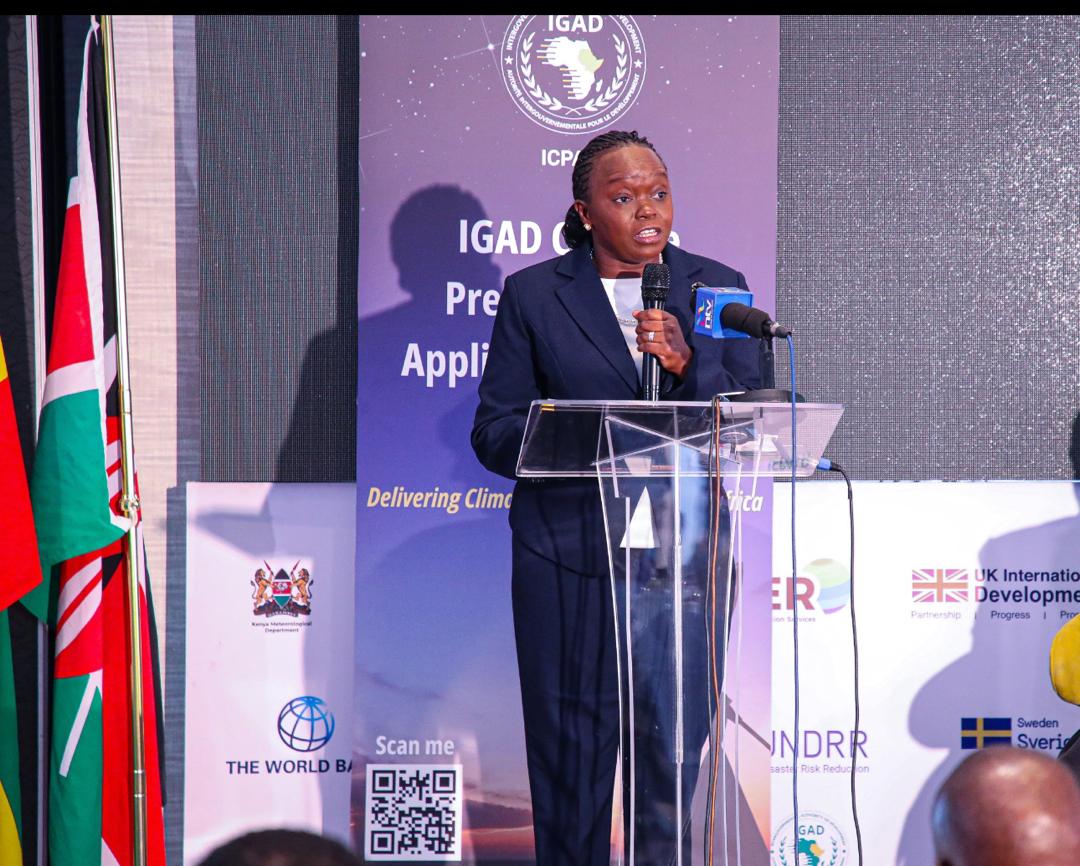
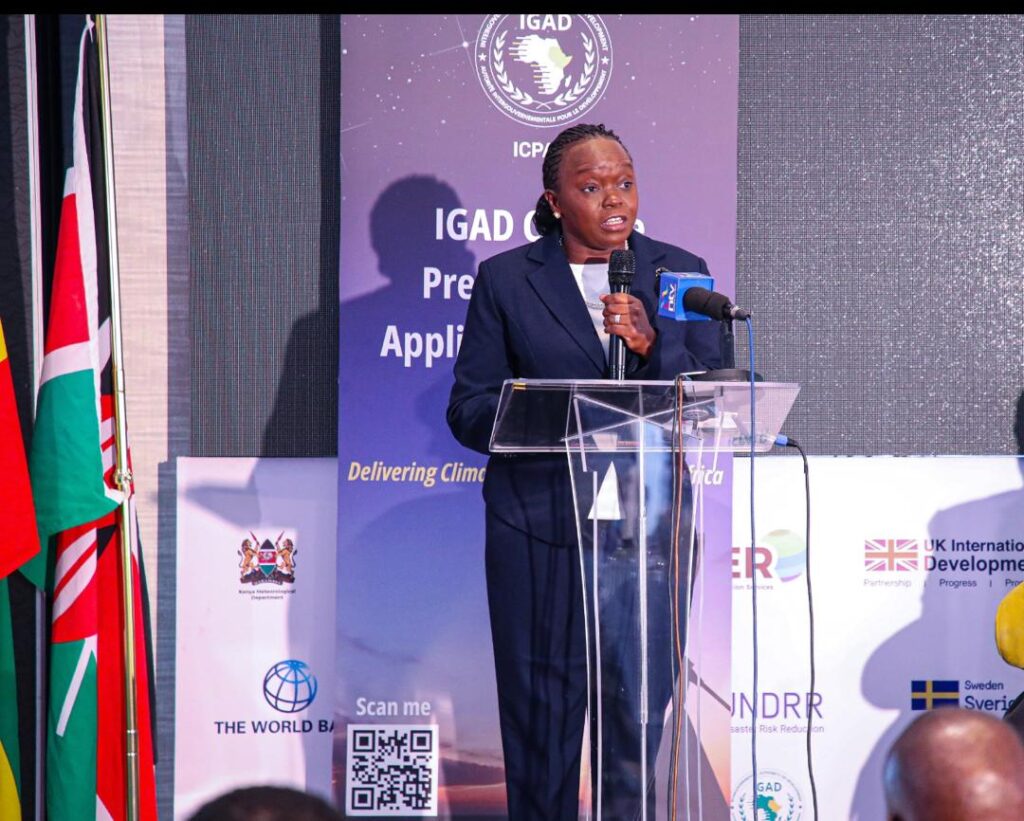
Kenya’s Cabinet Secretary for Environment, Climate Change and Forestry, Dr. Deborah M. Barasa, added: “Bridging the early warning gap requires shared knowledge, timely information, and a united regional approach. Kenya remains committed to supporting frameworks that build resilience.”
Mr. Edward Muriuki, Acting Director of the Kenya Meteorological Department, emphasized: “Early warning systems save lives only when they reach everyone, including the most vulnerable. At KMD, we are committed to providing accurate and timely climate services.”
GHACOF 71, held on 25–26 August 2025 in hybrid format, gathered representatives from all 11 IGAD Member States—Burundi, Djibouti, Eritrea, Ethiopia, Kenya, Rwanda, Somalia, South Sudan, Sudan, Tanzania, and Uganda—alongside humanitarian agencies, NGOs, media, and sector experts. ICPAC will continue to provide regional updates, while national meteorological services issue country-level advisories to guide preparedness and response.
ln the age of digital communication, images and videos have become the most powerful tools of storytelling. From wildfires in the Amazon to floods in Asia, environmental issues are often shared widely on social media platforms. However, this speed of sharing also comes with a risk: the spread of misinformation. Photos taken years ago or in completely different countries can be recycled and presented as evidence of current crises. This is where environmental AI geolocation fact-checking steps in as a crucial innovation.
Environmental AI geolocation fact-checking is the process of using artificial intelligence to determine the exact location where a photo or video was taken. By analyzing natural and human-made features in the background—such as trees, mountains, rivers, houses, or even the position of the sun—AI tools can cross-reference this data with satellite imagery and global databases.
For example, an image of dried farmland may be posted as proof of drought in Rwanda. AI-powered tools can compare that image with satellite data and discover that it actually came from northern Kenya years earlier. Such verification prevents misinformation from shaping public opinion or policy debates.
Dr. Amina Hassan, a climate researcher at the University of Nairobi, explains:
“Geolocation fact-checking powered by AI is like a truth filter for the environment. It helps us separate real climate emergencies from recycled or manipulated images that can mislead the public.”
The urgency of the climate crisis makes reliable information more valuable than ever. Governments, journalists, and communities rely on accurate reporting to plan interventions, allocate resources, and advocate for global climate action. False claims not only mislead the public but can also damage trust in environmental science and activism.
AI geolocation helps:
Journalists, by providing evidence-based reporting on natural disasters.
Researchers, by ensuring scientific studies are built on verified data.
Policymakers, by giving them credible information for decision-making.
Communities, by protecting them from panic or manipulation caused by misleading images.
According to James Okello, a fact-checker with the African Centre for Media Integrity:
“We have seen countless viral photos claiming to show African droughts or floods that were actually taken in other countries. AI tools now give us a way to stop such misinformation before it spreads too far.”
Image Analysis – AI scans the visual details of a photo or video, identifying vegetation types, architectural styles, weather patterns, and even shadow positions.Cross-Referencing – The system compares these details with large satellite imagery databases such as Google Earth, NASA data, or specialized climate archives.
Pattern Recognition – Advanced machine learning models detect unique environmental signatures, like the shape of mountain ridges or river paths. Verification – The AI provides a confidence score, indicating how likely the image matches a specific location.
Some tools can even detect if an image has been digitally manipulated, ensuring a higher level of credibility.
In May 2023, Rwanda experienced severe floods and landslides that left dozens dead and thousands displaced, particularly in the Western and Northern provinces. As the tragedy unfolded, social media was flooded with images claiming to show the devastation. However, fact-checkers quickly discovered that several widely shared photos were not from Rwanda at all—they originated from flood disasters in West Africa and Asia years earlier.
If environmental AI geolocation fact-checking tools had been fully deployed, they could have instantly flagged these misleading images, protecting both the public and humanitarian responders from confusion.
journalist Marie Claire Uwase, who reported on the floods, noted:
“We wasted time verifying photos that were circulating online. Some even exaggerated the situation, causing unnecessary panic. With AI geolocation, journalists in Rwanda could focus on reporting the reality on the ground instead of chasing false leads.”
This example shows how Rwanda—and Africa more broadly—could benefit from integrating AI verification into environmental communication systems.
Environmental AI geolocation fact-checking is already being used globally. Fact-checking organizations use it to debunk viral hoaxes about climate disasters. Humanitarian agencies rely on it to confirm the scale of environmental damage before sending aid. Researchers are exploring its use in monitoring deforestation, illegal mining, and wildlife trafficking.
Professor Elena Morales, an environmental data scientist based in Spain, notes:
“During the Australian bushfires, AI verification allowed us to reassure the public and focus on real-time solutions rather than being distracted by fake or outdated imagery.”
While the technology is promising, it faces challenges such as access to high-quality satellite imagery, the need for advanced computing power, and ethical concerns around data privacy. However, as AI systems become more sophisticated and accessible, their role in environmental communication will only grow.
Looking ahead, integrating geolocation fact-checking into social media platforms could automatically flag misleading images before they go viral. Partnerships between tech companies, media outlets, and environmental organizations may also create stronger defenses against misinformation.
Environmental AI geolocation fact-checking is more than just a technological innovation—it is a defense of truth in the fight against climate misinformation. By combining artificial intelligence with satellite imagery and data science, it ensures that global conversations about the planet are based on facts, not fabrications.
As the world—and Rwanda—grapple with urgent environmental challenges, truth is one of the most powerful tools we have. AI geolocation fact-checking is helping us protect that truth, making sure that our actions for the planet are guided by reality, not rumors
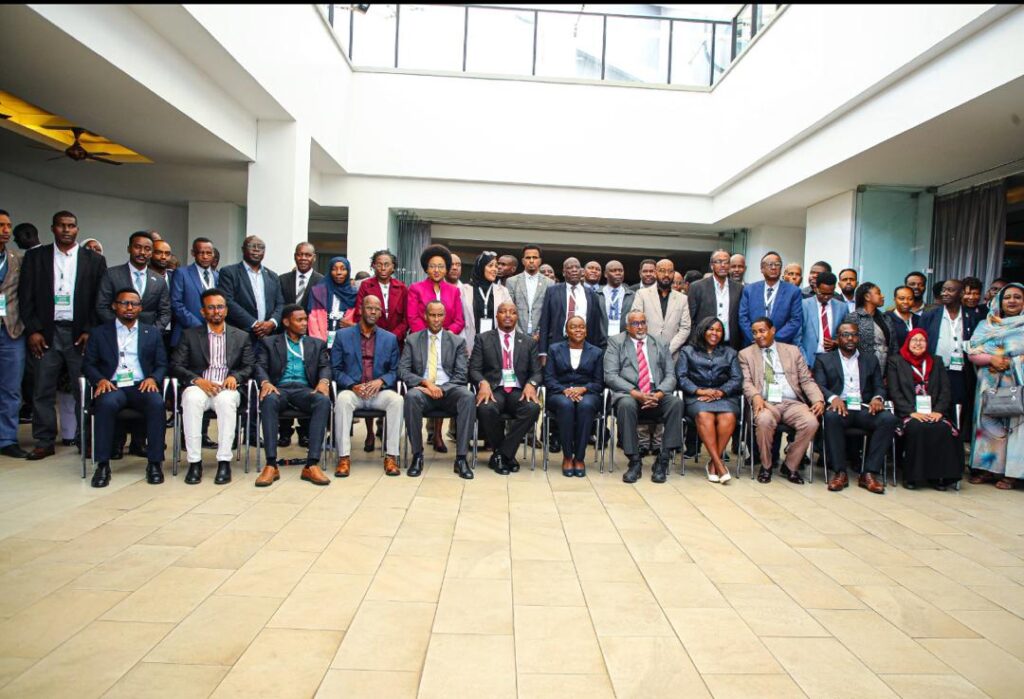
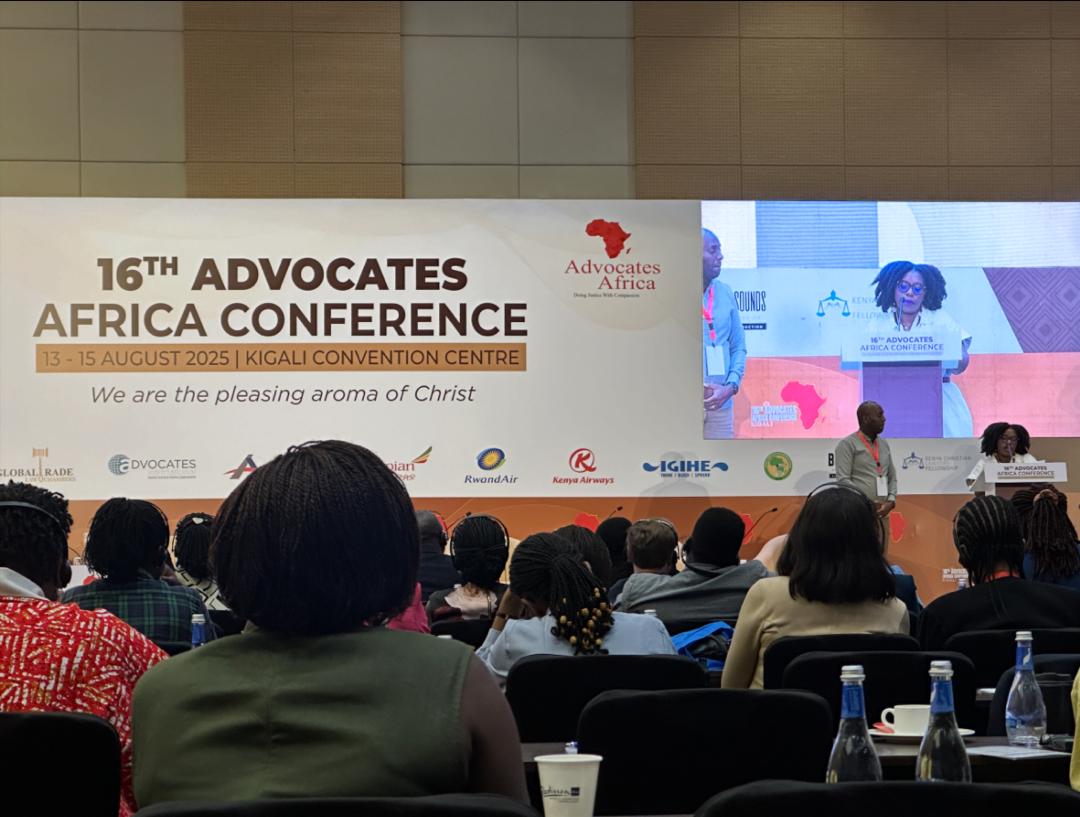
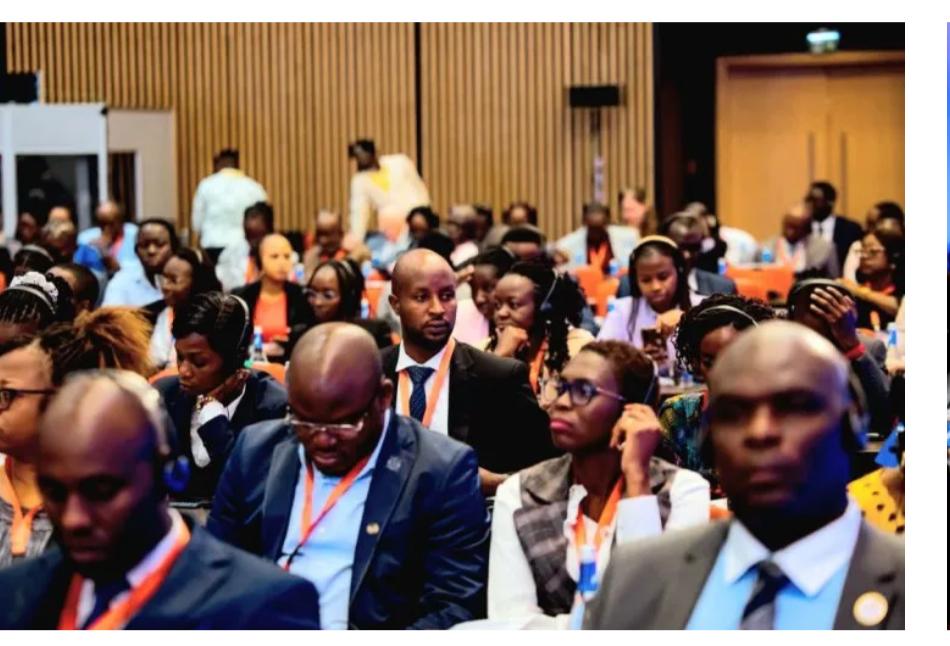
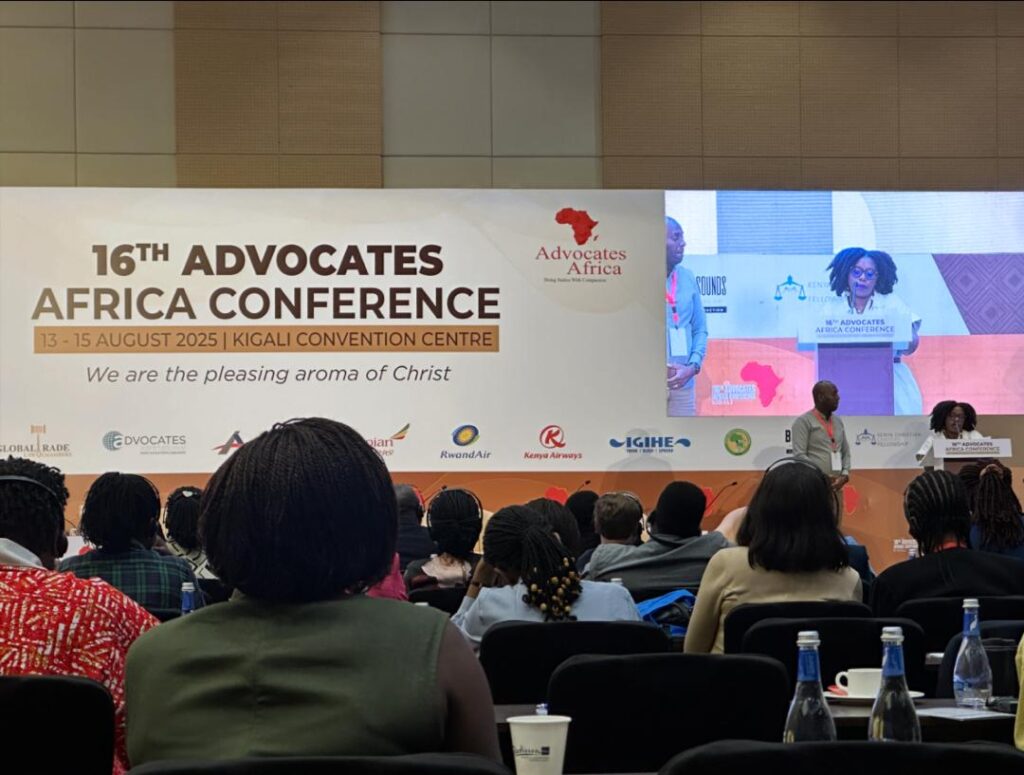
Abanyamategeko baturutse mu bihugu 43 bya Afurika bateraniye i Kigali mu Rwanda mu nama nyafurika ihuza abakorera mu rwego rw’ubutabera basangiye ukwemera kwa Gikristu, kugira ngo bungurane ibitekerezo ku mbogamizi n’amahirwe ari mu rugendo rwo kugera ku butabera burambye.
Iyi nama ya 16 yiswe Advocates Africa Conference, yatangiye ku wa 13 Kanama 2025, ikaba yahurije hamwe abavoka, abashinjacyaha, abacamanza n’abandi bakora mu nzego z’ubutabera.
Ifite insanganyamatsiko igira iti: “Turi Impumuro ya Kristo,” ikaba ishimangira uruhare rw’indangagaciro za gikristu mu gushyigikira umwuga w’ubutabera ushingiye ku kuri no ku burenganzira bwa buri wese.
Ibiganiro bibaye mu gihe inzego z’ubutabera ku mugabane wa Afurika zikomeje kunengwa na bamwe mu baturage bavuga ko ruswa n’ihohoterwa ry’ububasha biri mu bikibangamira itangwa ry’ubutabera nyakuri.
Iyi nama ifatwa nk’urubuga rwo gusangizanya ibitekerezo n’ubunararibonye hagati y’inzobere mu by’amategeko, hagamijwe gushakira hamwe ibisubizo bifatika ku mbogamizi zikibangamiye urwego rw’ubutabera muri Afurika.
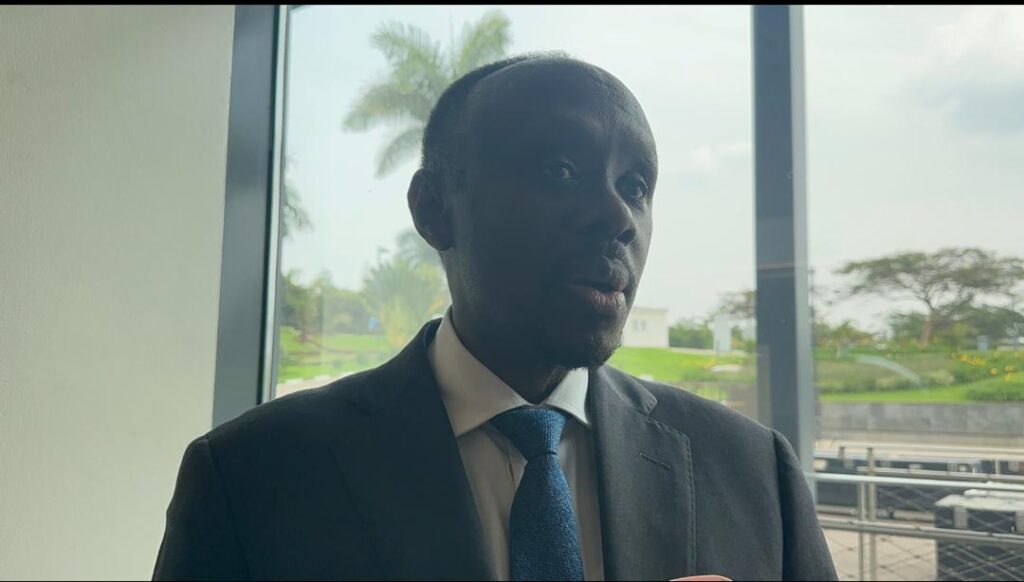
Andrews kananga Ukuriye LAF nawe yagize icyo atangaza aho yavuze ko mu kazi kabo kaburi munsi ko bakwiye gushishoza yahize Ati”.tugomba kuba abakirisitu mubyo dukora kuko Ari twe ducira abantu Imana.”
Andrews kananga Ukuriye LAF
Komeza Avuga ko gutanga ubutabera kuri buri ruhande utabogamye ko aribyagaciro gakomeye kandi bituma n’abantu bakugirira ikizere bityo n’Imana nayo ikabigufashamo