Blog

  • Kenya: Abanyeshuri baguye mu cyobo cy’amazi bagiye kureba Perezida Ruto

    Kenya: Abanyeshuri baguye mu cyobo cy’amazi bagiye kureba Perezida Ruto

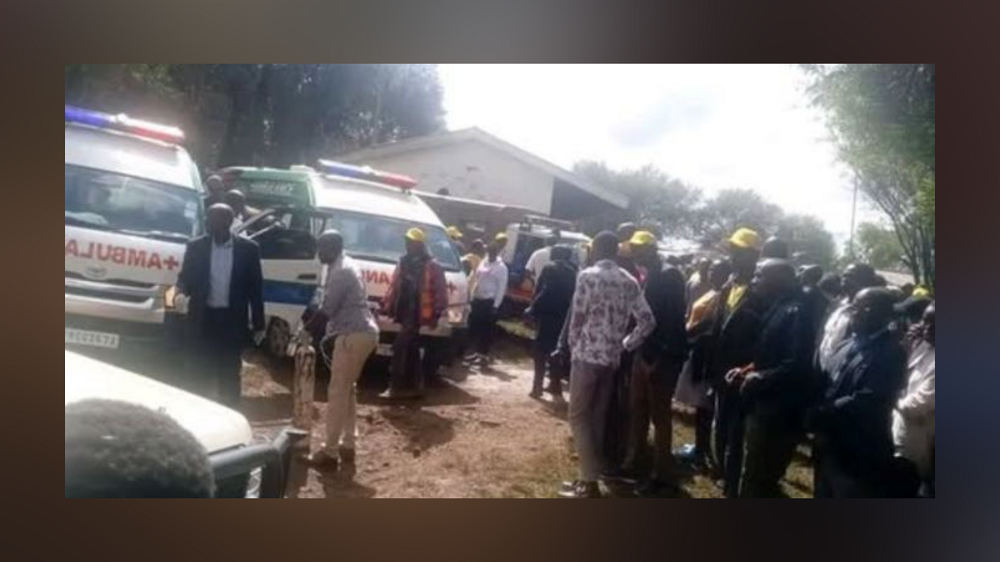
    Abanyeshuri 11 bo mu ishuri rya Kapsabet baguye mu cyobo kibika amazi yanduye, ku wa 12 Werurwe 2026, ndetse bamwe bikekwa ko bapfuye.

    Iri shuri risanzwe ryigamo abanyeshuri b’abakobwa gusa kandi na bo bafite ubumuga bwo kutumva, bahagaze hejuru y’icyobo kibika amazi yanduye kireshya na metero zirenga 6, bagira ngo barebe imodoka zari ziherekeje Perezida Dr. William Ruto, ubwo yanyuraga hafi y’iri shuri.

    Uko abanyeshuri babyiganaga ari benshi, byarangiye umupfundikizo w’iki cyobo witse, maze bagwamo. Abari hafi aho bihutiye gutabara, babakuramo bajyanwa ku bitaro by’akarere bya Kaspabet.

    Perezida wa Kenya, Dr William Ruto wagiriye uruzinduko rutunguranye kuri iri shuri nyuma y’iyi mpanuka, yavuze uburyo yababajwe cyane n’impanuka yabaye, ndetse aha inkunga iki kigo yo kuvugurura inyubako zacyo.

    Yagize ati “ Nasuye ikigo cyanyu, nsanga mukeneye kuvugurura inyubako, ndabasigira miliyoni 5 Ksh (arenga miliyoni 50 RWF)’.”

    Yongeyeho ko bagomba kumumenyesha ibindi byose iki kigo kizakenera.

    Kugeza ubu, inzego z’umutekano zirimo polisi, zikomeje iperereza kugirango hamenyekane neza icyateye iyi mpanuka, aho bivugwa ko umunyeshuri umwe yahaburiye ubuzima nyuma yo kugezwa ku bitaro.

    Indi mpanuka nk’iyi yigeze kuba muri Werurwe 2025, ku kigo cy’amashuri yisumbuye cya Ramba, cyigwamo n’abahungu gusa, aho abanyeshuri babiri na bo bapfuye nyuma yo kugwa mu cyobo cyibika amazi yanduye.

    Iki kigo cyahise gifungwa burundu, nyuma yo gushinjwa kutita ku nshuro cyaburiwe kugira icyo gikora kuri iki cyobo cyashyiraga ubuzima bw’abanyeshuri mu kaga, bakabyirengagiza.

    Ubutabazi bwihuse bwahise bukorwa nyuma y’iyi mpanuka

  • Africa’s Prosperity must go global: SMEs, Women, and Youth at the heart of AfCFTA.

    Africa’s Prosperity must go global: SMEs, Women, and Youth at the heart of AfCFTA.

    Africa stands at a historic crossroads. SMEs account for more than 80% of employment, yet fewer than 20% engage in cross-border trade. Women lead nearly 30% of registered businesses but face systemic barriers. Youth, who make up 60% of our population, are innovating daily but struggle to scale. These figures are not just statistics; they are the untapped engines of Africa’s prosperity.

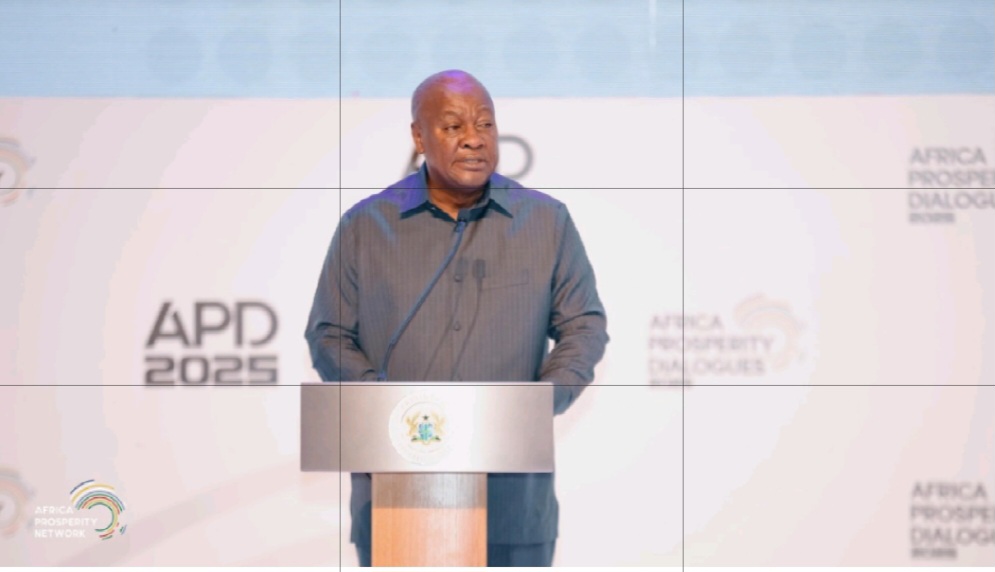
    At the Africa Prosperity Dialogues (APD) in Accra last year, I reminded leaders that AfCFTA is not merely about free trade; it is about creating an environment that supports Africa’s industries and businesses. This year, as we convene APD 2026 under the theme “Empowering SMEs, Women & Youth in Africa’s Single Market: Innovate. Collaborate. Trade,” I reaffirm that Africa’s prosperity must not only be continental, it must be global.

    SMEs are the backbone of Africa’s economy. According to UNECA, AfCFTA could increase intra-African trade by 52%. Ghana’s SMEs in agribusiness, textiles, and fintech have shown that when integrated into regional value chains, they create jobs at scale and drive industrialisation. But, the next step is global competitiveness. Our SMEs must not only trade across African borders, they must export to the world. AfCFTA must be the launchpad for Africa’s global brands.

    Women entrepreneurs are Africa’s most resilient innovators, yet they remain locked out of finance and networks. Closing gender gaps could add trillions to global GDP, but this requires bold action. That is why I have consistently championed the creation of a Women’s Development Bank (WDB) in Ghana. This institution will provide low-interest loans, financial literacy, and tailored business support to women entrepreneurs. It is designed to dismantle systemic barriers, unlock economic potential, and empower women as leaders and nation-builders. Women’s economic empowerment is often framed as a social good, but it is fundamentally an economic strategy. For AfCFTA to deliver on its promise, inclusion, particularly of women, must be non-negotiable.

    Africa’s youth are our greatest asset. With 60% of our population under 25, we hold the world’s largest youth dividend. In Ghana, I have made it clear that agriculture must be the engine that harnesses this energy. My vision is to move our agriculture sector from subsistence to a powerhouse, modernised, mechanised, and globally competitive sector. By investing in irrigation, storage, processing, and digital platforms, and by providing mentorship and capital, we will empower young farmers and agripreneurs to scale their enterprises. AfCFTA must be the ecosystem that allows Ghana’s agriculture to flourish across the continent and into global markets.

    Critics often contend that Africa’s integration agenda is overly ambitious, citing infrastructure gaps and political complexities. These concerns are legitimate, but they are not insurmountable. Ghana’s role as host of the AfCFTA Secretariat in Accra demonstrates our unwavering commitment to continental integration. The Pan-African Payment and Settlement System (PAPSS) is already transforming cross-border trade by reducing currency barriers and transaction costs. The Single African Air Transport Market (SAATM) is lowering the cost of movement and strengthening connectivity. At the same time, digital platforms are enabling small and medium-sized enterprises to reach customers far beyond national borders. Integration succeeds not by chance, but by collective political will, sustained investment, and deliberate action and Africa is moving in that direction.

    The strategic imperative before us is unmistakable: the AfCFTA must succeed; fully, inclusively, and competitively on the global stage. This demands deliberate action. Governments must align policies and dismantle the barriers that fragment our markets. Financial institutions must move beyond one-size-fits-all financing and design instruments that unlock capital for SMEs, women, and youth. Private investors must recognise Africa’s entrepreneurs not as risks to be avoided, but as partners in value, creation while civil society continues to hold us – leaders and institutions alike – accountable. Africa’s single market is more than an economic framework; it is a promise of shared prosperity. Yet that promise will remain unfulfilled unless SMEs, women, and young people are empowered not merely to participate, but to lead.

    As President of Ghana, I call on African leaders, businesses, and citizens to move decisively from aspiration to action. We must innovate boldly, collaborate intentionally, and trade seamlessly across our borders. The AfCFTA must not remain a declaration agreed in conference halls; it must become a lived reality that expands opportunity for our African people. This is how we take Africa global; by building competitive brands, resilient industries, and world-class innovations that can stand confidently on the international stage.

    Africa’s future will not be shaped by promises alone. It will be built by our entrepreneurs, powered by our women, and driven by our youth. The moment to act is not tomorrow. It is now.

    This op-ed by H.E. John Dramani Mahama, President of the Republic Ghana, draws on extracts from his speeches and public addresses delivered at key platforms including the Africa Prosperity Dialogues 2025, engagements with young entrepreneurs, and policy statements on Africa’s industrialisation and women’s empowerment.  

    By H.E. John Dramani Mahama, President, Republic of Ghana 

  • Kagame to Join Macron in Paris for Landmark Nuclear Summit Amid Rising Regional Tensions

    Kagame to Join Macron in Paris for Landmark Nuclear Summit Amid Rising Regional Tensions

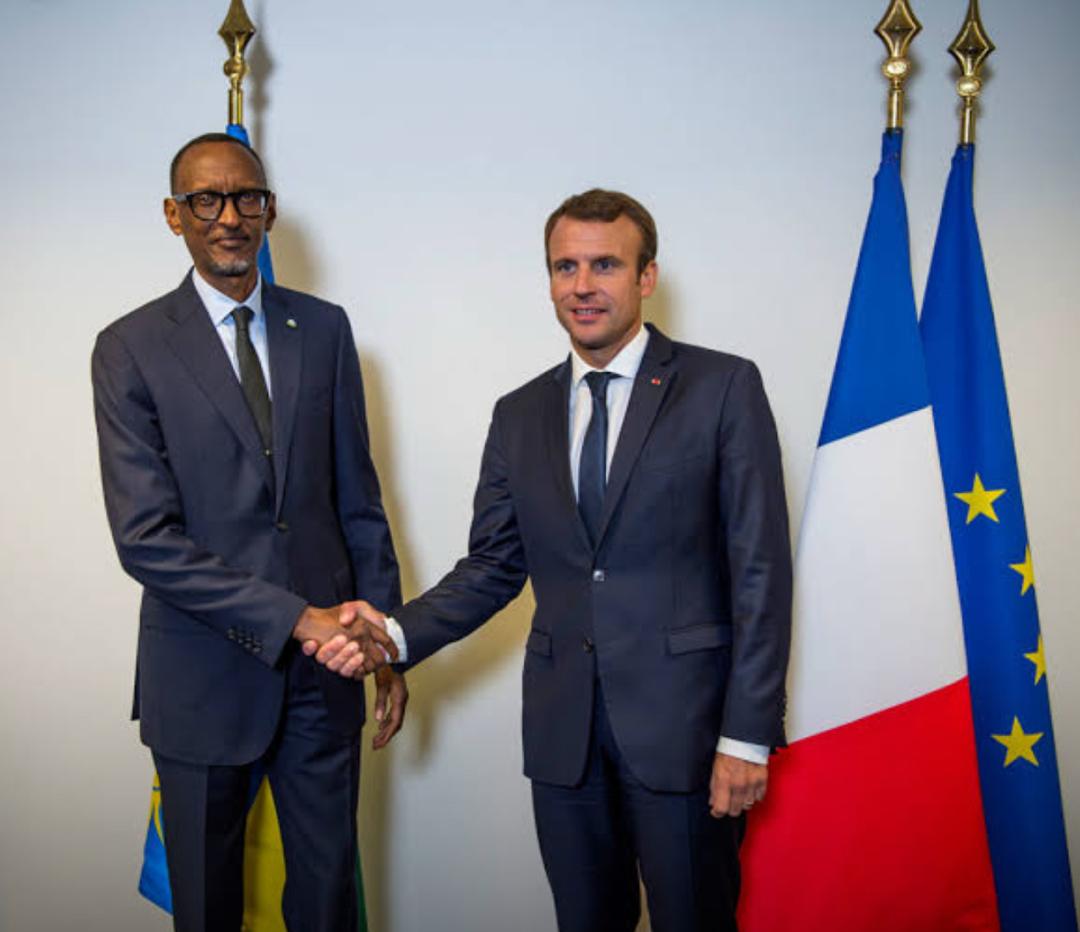
    PARIS Paul Kagame is expected in the French capital on March 10, 2026, for a strategic visit that places Rwanda at the heart of global conversations on nuclear energy, industrial transformation, and regional security. The Rwandan Head of State will join Emmanuel Macron and Rafael Grossi at the Nuclear Energy Summit, a high-level gathering focused on the future of civil nuclear power and energy transition.

    Organized in collaboration with the International Atomic Energy Agency, the summit brings together heads of state, policymakers, and energy experts to explore how nuclear technology can support sustainable development while meeting climate goals. Kagame is expected to speak on a presidential panel, where he will advocate for civil nuclear energy as a driver of industrialization and energy sovereignty in Africa.

    Rwanda’s participation comes at a pivotal stage in its long term development strategy. Over the past decade, Kigali has prioritized diversifying its energy mix to reduce dependence on imported fossil fuels and hydropower vulnerabilities linked to climate change. Under Kagame’s leadership, Rwanda has positioned itself as a regional pioneer in exploring small modular reactors (SMRs) and other advanced nuclear technologies suitable for emerging economies.

    Government officials argue that reliable baseload power is essential for accelerating manufacturing, digital infrastructure, mining, and value added industries. For Rwanda, nuclear energy is not merely about electricity generation; it represents a broader vision of technological advancement, skills development, and strategic autonomy.

    Kagame’s intervention in Paris is therefore expected to frame nuclear power as a development equalizer one that could help African nations leapfrog structural energy deficits that have historically constrained growth.

    While energy cooperation forms the official agenda, the diplomatic undercurrents surrounding the visit are significant. President Macron is scheduled to hold a private sideline meeting with Kagame to address escalating insecurity in eastern Democratic Republic of the Congo.

    The talks come shortly after the United States imposed new sanctions on Rwandan military officials, alleging Kigali’s backing of the M23 rebels is destabilizing ongoing peace efforts. Rwanda has consistently denied direct military involvement, maintaining that its primary concern is border security and the protection of its national interests.

    France, which has historically played a diplomatic role in Central Africa, finds itself navigating a delicate balance. Paris seeks to preserve its strategic partnership with Kigali while also supporting regional stability and international mediation frameworks.

    The summit also reflects the continued normalization of relations between Paris and Kigali following decades of tension linked to France’s role before and during the Genocide against the Tutsi. In 2021, France acknowledged its “heavy responsibility” in the events leading up to the genocide, a milestone widely viewed as a turning point in bilateral ties.

    Since then, economic cooperation, cultural exchanges, and diplomatic engagement have intensified. Kagame’s presence in Paris including his participation in the Summit of La Francophonie last year signals sustained efforts to deepen collaboration across trade, education, and innovation sectors.

    However, regional instability threatens to test this renewed partnership. As Western governments increase scrutiny over the situation in eastern Congo, Rwanda’s diplomatic balancing act becomes more complex.

    Kagame’s Paris visit thus unfolds at the intersection of energy diplomacy and geopolitical tension. On one hand, Rwanda seeks to present itself as a forward-looking nation embracing advanced technology to secure long-term prosperity. On the other, it must navigate mounting international pressure related to regional security dynamics.

    For France, hosting Rwanda at a summit dedicated to nuclear innovation underscores Paris’s ambition to maintain influence in Africa’s evolving energy landscape. It also highlights Macron’s effort to position France as both a climate leader and a strategic mediator in African affairs.

    As discussions begin in Paris, the outcome of Kagame’s engagements may shape not only Rwanda’s energy future but also the broader diplomatic architecture of Central Africa

    By: Florence Uwamaliya

  • Community Led Solutions Take Center Stage at the Women Deliver 2026 Conference

    Community Led Solutions Take Center Stage at the Women Deliver 2026 Conference

    As the Women Deliver 2026 Conference prepares to convene in Narrm (Melbourne) this April, global conversations on gender equality are increasingly centering on one undeniable truth: sustainable progress is strongest when it is shaped and led by communities themselves.

    The conference, hosted in Australia’s cultural capital, arrives at a time when policymakers, advocates, and grassroots leaders are calling for a shift away from top-down responses toward community led, feminist solutions grounded in lived experience, dignity, and long-term resilience. Rather than imposing uniform strategies, WD2026 aims to spotlight initiatives that grow organically within communities and respond directly to the realities women face every day.

    One powerful example comes from Narrm itself the Moroccan Soup Bar, a social enterprise founded by community advocate Hana Assafiri. What began as a small hospitality initiative has evolved into a transformative model of empowerment. The enterprise creates employment pathways and economic opportunities for women, particularly those at risk of or experiencing gender-based violence.

    For many women, financial insecurity is one of the most significant barriers preventing them from leaving abusive relationships. Without access to stable income, support networks, or advocacy, safety can feel unattainable. By offering employment, skill development, and a culturally welcoming environment, the Moroccan Soup Bar provides more than jobs it builds independence and belonging.

    “Community spaces play a critical role in how women experience safety and resilience,” Assafiri explains. “For many women, particularly those at the margins, safety is not created by institutions. It’s built in everyday spaces where they are seen, welcomed, and treated with mutual respect.”

    Over the years, the enterprise has employed hundreds of women, supporting many as they transition into long-term employment and self sufficiency. Its success reflects a broader global movement that recognizes the power of locally grounded responses. Community-led initiatives succeed because they respond to real lives over time, prioritizing dignity and connection rather than short-term visibility or political performance.

    This approach is particularly vital in addressing gender-based violence, which disproportionately affects migrant and refugee women. Many face overlapping barriers, including racism, language differences, discrimination, and uncertain immigration status. Traditional systems often struggle to reach these communities effectively.

    In Melbourne, GenWest has embraced this community centered model. Through its Multilingual Health Education program, more than 1,250 women from over 30 cultural backgrounds have been engaged since 2022. Health education serves as a trusted entry point a safe space where conversations about gender, power, and violence can emerge organically.

    Shweta Kawatra Dakin, Manager of Resilient Communities at GenWest, emphasizes that community-led approaches create culturally safe spaces and strengthen informal networks. These initiatives increase trust, improve access to services, and foster collective leadership. When women shape the support systems that affect them, disclosure rates improve, and long-term well being becomes more attainable.

    Beyond Australia, similar models are taking root globally. In Indonesia, The Sisterhood leads Sisters in Justice, a survivor-led initiative supporting refugee women living in prolonged displacement without legal status. By placing refugee women at the center of decision-making, the organization challenges conventional service delivery models and redefines what effective support looks like.

    Meanwhile, Community First Development will lead a concurrent session at WD2026 focusing on self-determination and First Nations leadership. Chief Executive Officer Stephanie Harvey highlights the importance of decolonizing practices and ensuring that gender solutions are intersectional and grounded in place. Their Community Development Framework empowers women and gender-diverse people to define the issues that matter most in their own contexts and lead change based on their lived realities.

    Together, these examples reinforce a clear message: sustainable gender equity cannot be delivered solely through policy mandates or centralized programming. It must be cultivated within communities, shaped by those who understand their own challenges and strengths best.

    As WD2026 approaches, the spotlight is not just on global commitments but on grassroots leadership. The future of gender equality lies in empowering communities to design solutions that reflect dignity, belonging, and resilience ensuring that change is not only achieved, but sustained for generations to come.

    By:imenanews.com
  • Amerika Yafatiye Ibihano Abagenerali 4 ba RDF

    Amerika Yafatiye Ibihano Abagenerali 4 ba RDF

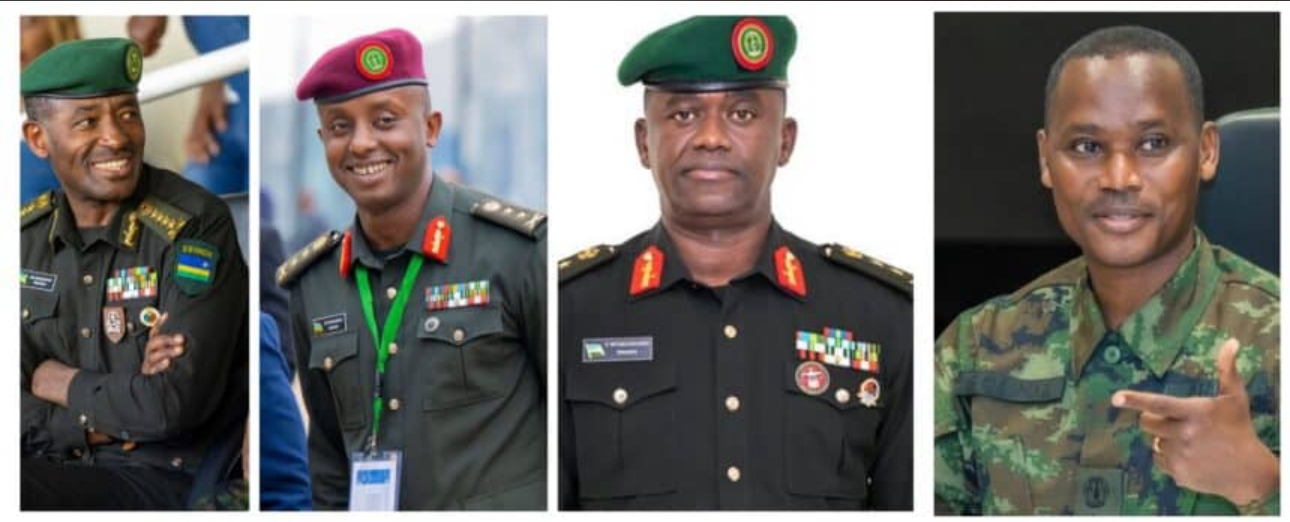
    Leta Zunze Ubumwe za Amerika yatangaje ko yafatiye ibihano abayobozi bane bakuru mu Ngabo z’u Rwanda (RDF), ibashinja kugira uruhare mu bikorwa bya gisirikare bivugwa ko byabereye ku butaka bwa Repubulika Iharanira Demokarasi ya Congo (DRC). Ibi bihano byatangajwe binyuze mu Ishami rya Minisiteri y’Imari ya Amerika rishinzwe kugenzura no gufatira ibihano abantu n’ibigo (OFAC).

    Abafatiwe ibihano barimo:

    • Maj. Gen Ruki Karusisi, Umuyobozi wa Diviziyo ya 5 y’Ingabo z’u Rwanda;
    • Maj. Gen Vincent Nyakarundi, Umugaba Mukuru w’Ingabo zirwanira ku Butaka (Land Forces Commander);
    • Gen Mubarakh Muganga, Umugaba Mukuru w’Ingabo z’u Rwanda;
    • Brig. Gen Stanislas Gashugi, ushinzwe ibikorwa bya Special Forces.

    Ibyo Bashinjwa

    Nk’uko byatangajwe n’ubuyobozi bwa Amerika, aba basirikare bakuru bashinjwa kugira uruhare mu gutegura, gushyigikira cyangwa koroshya ibikorwa bya gisirikare byavuzwe ko byabereye mu burasirazuba bwa Congo. By’umwihariko, Gen Mubarakh Muganga ashinjwa kuba yaragize uruhare mu gutegura ibitero byavuzwe ko byafashije umutwe wa M23 mu kwigarurira ibice bitandukanye muri ako karere.

    Amerika ivuga ko ibikorwa by’aba bayobozi byagize uruhare mu guhungabanya umutekano w’akarere no kongera umubare w’abaturage bava mu byabo kubera imirwano. Uburengerazuba bwa Congo bumaze igihe buhanganye n’intambara z’imitwe itandukanye iharanira kugenzura ibice bikungahaye ku mabuye y’agaciro.

    Ku ruhande rw’u Rwanda, Leta yakomeje guhakana ibirego byo kugira uruhare mu gushyigikira imitwe yitwaje intwaro ikorera muri Congo, igaragaza ko ibikorwa byayo bigamije kurinda umutekano w’igihugu no guhashya imitwe irushinja guhungabanya umutekano warwo.

    Icyo Ibihano Bisobanuye

    Ibihano byafatiwe aba bayobozi birimo gufatira imitungo yabo yose iri ku butaka bwa Amerika cyangwa iri mu maboko y’ibigo by’imari bikorana na Amerika. Ibi birimo amafaranga, konti za banki, n’indi mitungo yose ishobora kuba ifitwe cyangwa igenzurwa na bo.

    Byongeye kandi, imitungo yose bafitemo imigabane ingana na 50% cyangwa irenga yaba ibanditse ku mazina yabo cyangwa itabanditse na yo ihita ifatirwa. Ibi bivuze ko niba umwe muri aba bayobozi afite imigabane myinshi mu kigo runaka gifite imikoranire n’ibigo byo muri Amerika, icyo kigo na cyo gishobora guhura n’ingaruka z’ibi bihano.

    Nanone, abaturage ba Amerika n’ibigo byayo babujijwe gukorana ubucuruzi cyangwa indi mikoranire iyo ari yo yose n’aba bayobozi bafatiwe ibihano, keretse habonetse uburenganzira bwihariye butangwa na Minisiteri y’Imari.

    Ingaruka Zishoboka

    Abasesenguzi bavuga ko ibi bihano bishobora kugira ingaruka zikomeye ku mikoranire mpuzamahanga y’aba bayobozi no ku bushobozi bwabo bwo gukoresha serivisi z’imari mpuzamahanga. Nubwo ibihano bidahita bihindura imiterere y’ubuyobozi bw’ingabo imbere mu gihugu, bishobora kongera igitutu cya dipolomasi ku Rwanda.

    Iki cyemezo kandi gishobora kongera umwuka mubi hagati y ‘U Rwanda na Washington, mu gihe umubano w’u Rwanda na Congo umaze igihe urimo amakimbirane ashingiye ku mutekano w’akarere k’Ibiyaga Bigari.

    Umutekano w’Akarere mu Rujijo

    Uburasirazuba bwa DRC bukomeje kuba isoko y’umutekano muke, aho imitwe myinshi yitwaje intwaro ikomeje guhangana n’ingabo za Leta. Ibikorwa bya gisirikare bikomeje gutuma abaturage benshi bahunga ingo zabo, bikongera ikibazo cy’ubutabazi n’uburenganzira bwa muntu.

    Amerika ivuga ko ibi bihano bigamije gushyira igitutu ku bayobozi bireba kugira ngo ibikorwa bishinjwa bihagarare no gushishikariza inzira ya dipolomasi mu gukemura amakimbirane.

    Mu gihe impande zitandukanye zikomeje gutanga ibisobanuro bitandukanye kuri iki kibazo, haracyategerejwe uko u Rwanda ruzitwara ku byemezo byafashwe na Amerika n’ingaruka bizagira ku mubano w’ibihugu byombi ndetse no ku mutekano w’akarere muri rusange.

    By: Uwamaliya Florence

  • NESA yahuje abafatanyabikorwa mu burezi baganira ku bijyanye na PISA 2025.

    NESA yahuje abafatanyabikorwa mu burezi baganira ku bijyanye na PISA 2025.

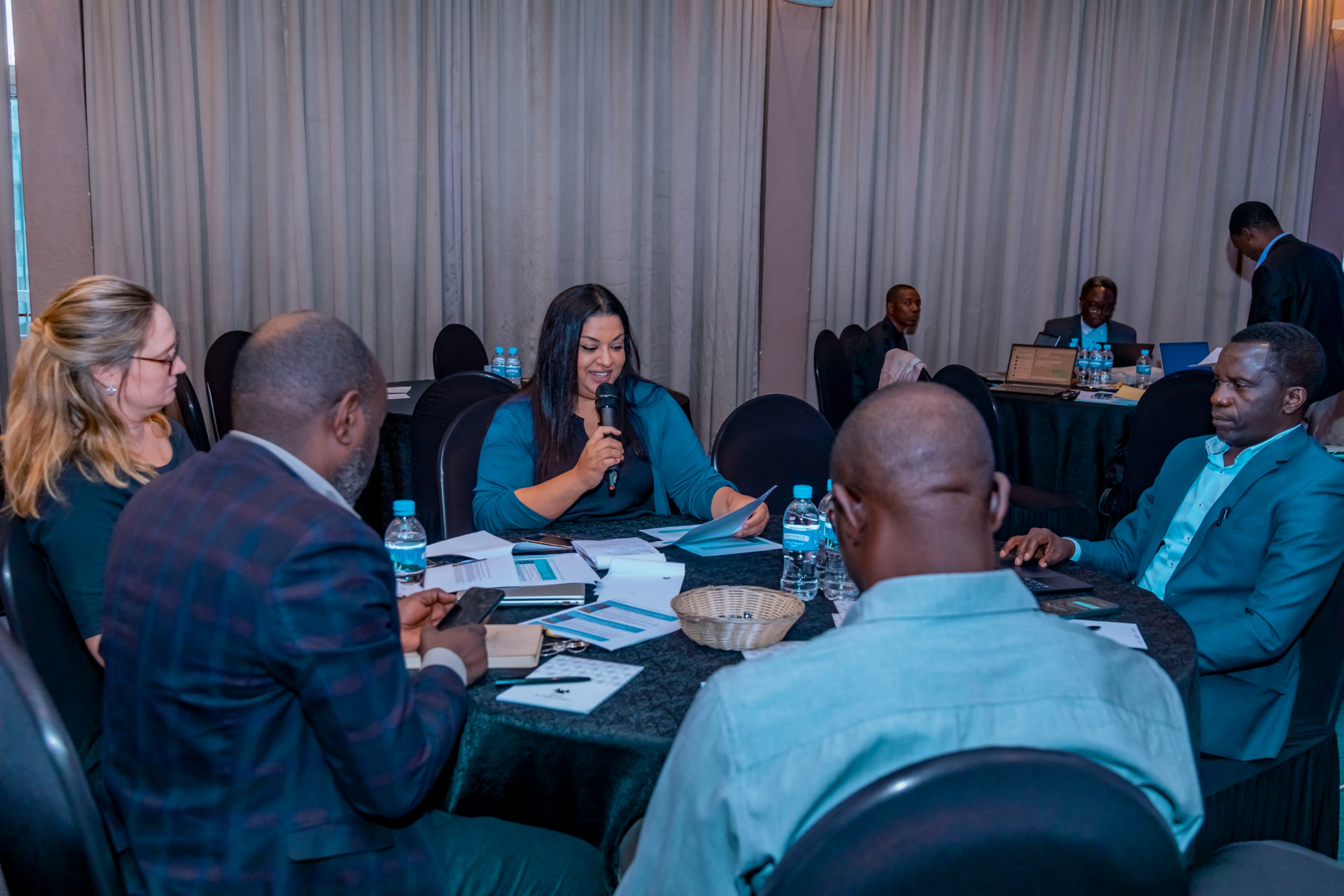
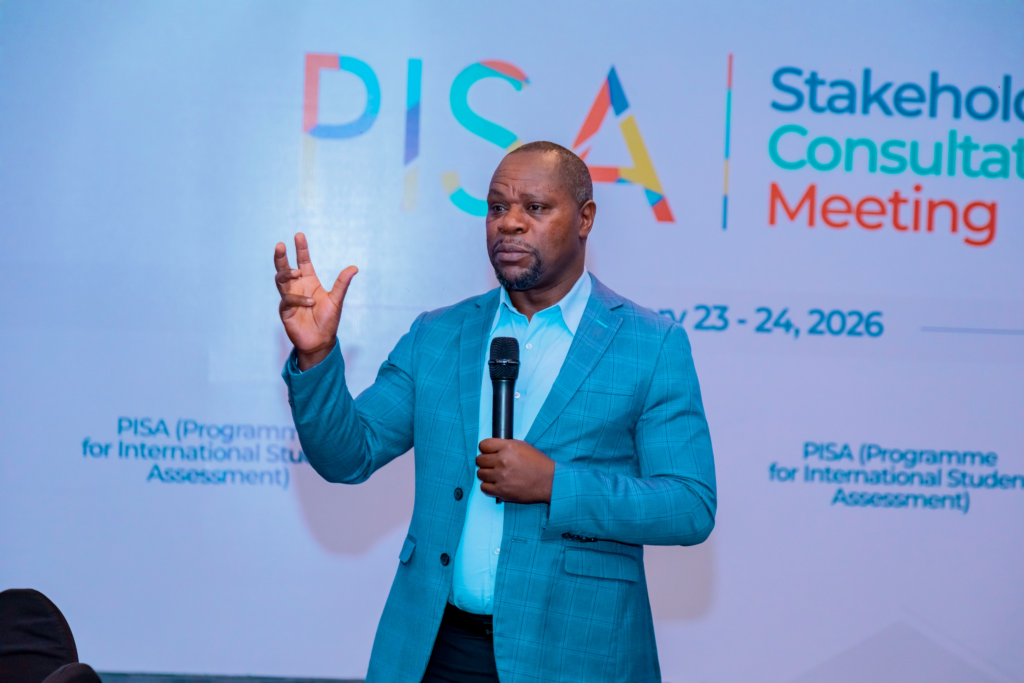
    Kigali, Ministeri y’uburezi ibinyujije mu kigo cy’Igihugu Gishinzwe Ibizamini n’Ubugenzuzi bw’Amashuri (NESA) yateguye inama nyunguranabitekerezo yahuje abafatanyabikorwa mu burezi mu rwego rwo kubafasha gusobanukirwa neza isuzuma rya PISA, intego n’impamvu u Rwanda rwitabiriye PISA 2025, no gukusanya ibitekerezo ku bizibandwaho mugukora ubusesenguzi na raporo y’igihugu.


    Iyi nama yahuje abayobozi b’amashuri, ababyeyi, abayobozi b’uturere bungurije bashinzwe imibereho myiza y’abaturage, abashinzwe uburezi mu turere, abafatanyabikorwa, n’abayobozi ku rwego rw’igihugu bafite aho bahuriye n’uburezi n’ibarurisha mibare ndetse n’abanyamakuru.
    Ni nyuma y’uko u Rwanda rwitabiriye ku nshuro ya mbere isuzuma mpuzamahanga rya PISA mu mwaka wa 2025, rikorwa n’abanyeshuri bafite imyaka 15, rigamije gupima ubumenyi n’ubushobozi bwabo mu gusoma, imibare na siyansi, harebwa uko bashobora gukoresha ibyo bize mu buzima busanzwe no mu gukemura ibibazo biri muri sosiyete.
    Mu ijambo ry’ikaze, Dr Bernard Bahati, Umuyobozi Mukuru wa NESA, yavuze ko iyi nama igamije gufasha abafatanyabikorwa gusobanukirwa PISA 2025 n’impamvu u Rwanda rwiyatabiriye, bityo umusaruro uzava muri PISA 2025, ukazatuma U Rwanda rumenya aho ruhagaze mu burezi ugereranyije n’ubwo mu rwego mpuzamahanga.
    Yagize ati:
    “Iki gikorwa ni intambwe ikomeye mu kugereranya ireme ry’uburezi bw’u Rwanda n’ibipimo mpuzamahanga. Usibye amakuru y’isuzuma, PISA ikusanya amakuru, ibyifuzo n’imyumvire by’abanyeshuri,bishobra gutanga umusaruro mwiza watuma habaho kunoza imikorere no guteza imbere uburezi”.
    PISA ni isuzuma mpuzamahanga ryashyizweho n’Umuryango Mpuzamahanga w’Ubukungu, Ubufatanye n’Iterambere (OECD), rikaba rikorwa ku banyeshuri bafite imyaka 15 mu bihugu bisaga 90 ku Isi byitabiriye PISA 2025.
    Umusaruro wavuye muri PISA 2025, biteganyijwe ko uzatangazwa ku mugaragaro ku wa 8 Nzeri 2026, bikazaba ari intambwe ikomeye mu kugereranya ireme ry’uburezi bw’u Rwanda n’ibindi bihugu ku rwego mpuzamahanga, ndetse no kugira impinduka zimwe na zimwe zishyirwaho muri politiki y’uburezi mu Rwanda.

    Umwanditsi: BIRABONEYE Jean Népomuscène

  • Minisitiri w’Intebe Dr. Nsengiyumva yatangije Agace ka Munani ka Tour du Rwanda 2026

    Minisitiri w’Intebe Dr. Nsengiyumva yatangije Agace ka Munani ka Tour du Rwanda 2026

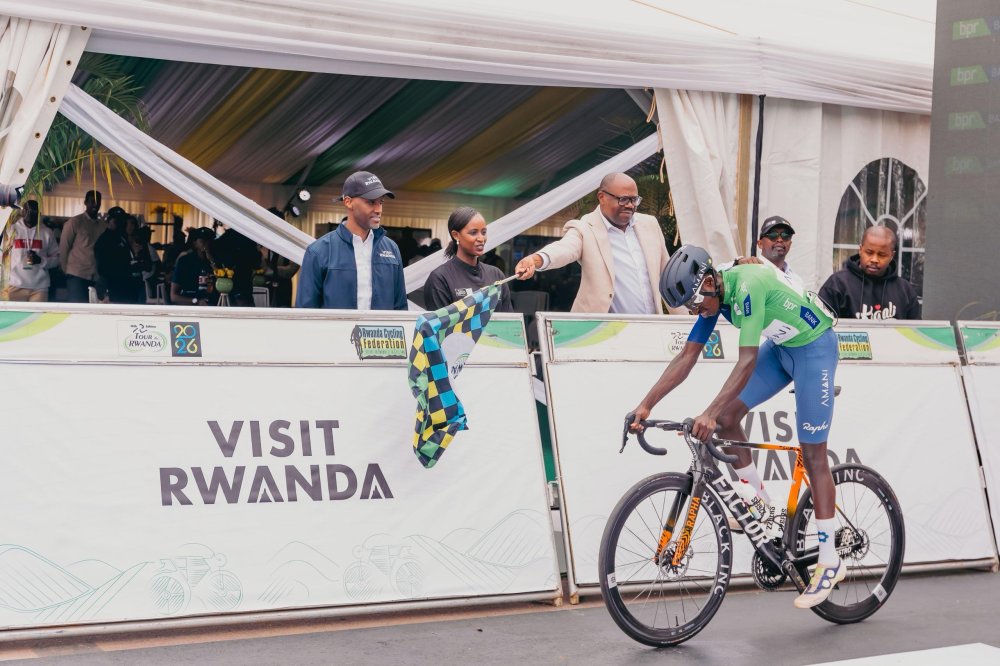
    Minisitiri w’Intebe, Dr. Nsengiyumva Justin, yatangije Agace ka Munani ka Tour du Rwanda 2026, kasorejwe mu Mujyi wa Kigali, kuri iki Cyumweru, tariki ya 1 Werurwe 2026.

    Isiganwa mpuzamahanga ry’amagare rya Tour du Rwanda ryasorejwe mu mihanda ya Kigali, aho abakinnyi 65 bari mu makipe 16 ari bo bakinnye uyu munsi.

    Mbere y’uko batangira gusiganwa, Abanyarwanda benshi bari mu ihuriro ry’imihanda hafi ya Kigali Convention Centre, bategereje kwihera ijisho iri siganwa.

    Hari kandi na Minisitiri wa Siporo, Nelly Mukazayire, wari kumwe na Minisitiri w’Intebe, Dr. Nsengiyumva Justin, wanatangije agace ko kuri uyu munsi kareshyaga n’ibilometero 83,8.

    Muri iki gikorwa yari kumwe n’Umuyobozi Mukuru w’Urwego rw’Igihugu rw’Iterambere (RDB), Jean-Guy Afrika, Perezida w’Ishyirahamwe ry’Umukino w’Amagare mu Rwanda (FERWACY), Umuyobozi w’Umujyi wa Kigali, Samuel Dusengiyumva n’abandi.

    Abakinnyi bose nibasoza isiganwa, harahembwa abakinnyi bahize abandi mu isiganwa. Aba barimo uwegukanye isiganwa, uwegukanye Agace ka Munani, Umunyarwanda witwaye neza, Umunyafurika witwaye neza n’abandi.

    Umudage Moritz Kretschy ukinira Ikipe ya NSN Development Team ni we wegukanye Tour du Rwanda 2026, mu gihe Agace ka Munani katwawe n’Umunya-Eritrea Henok Mulubrhan.

    Minisitiri w’Intebe Dr. Nsengiyumva Justin yageze kuri KCC ari kumwe n’abarimo Minisitiri wa Siporo, Nelly Mukazayire

    Minisitiri w’Intebe Dr. Nsengiyumva Justin yari kumwe n’Abanyarwanda bitabiriye umunsi wa nyuma wa Tour du Rwanda 2026

    Minisitiri w’Intebe Dr. Nsengiyumva Justin, Umuyobozi w’Umujyi wa Kigali, Dusengiyumva Samuel na Minisitiri wa Siporo, Nelly Mukazayire bageze KCC

    Isiganwa ryatangijwe na Minisitiri w’Intebe Dr. Nsengiyumva Justin

    Niyonkuru Samuel ari kunyura imbere ya Minisitiri w’Intebe Dr. Nsengiyumva Justin wari umaze gutangiza isiganwa

    Minisitiri w’Intebe Dr. Nsengiyumva Justin yatangije isiganwa ari kumwe n’abandi bayobozi

    Isiganwa ryatangijwe na Minisitiri w’Intebe Dr. Nsengiyumva Justin

  • Mahmoud Ahmadinejad wabaye Perezida wa Iran yaguye mu bitero bya Amerika

    Mahmoud Ahmadinejad wabaye Perezida wa Iran yaguye mu bitero bya Amerika

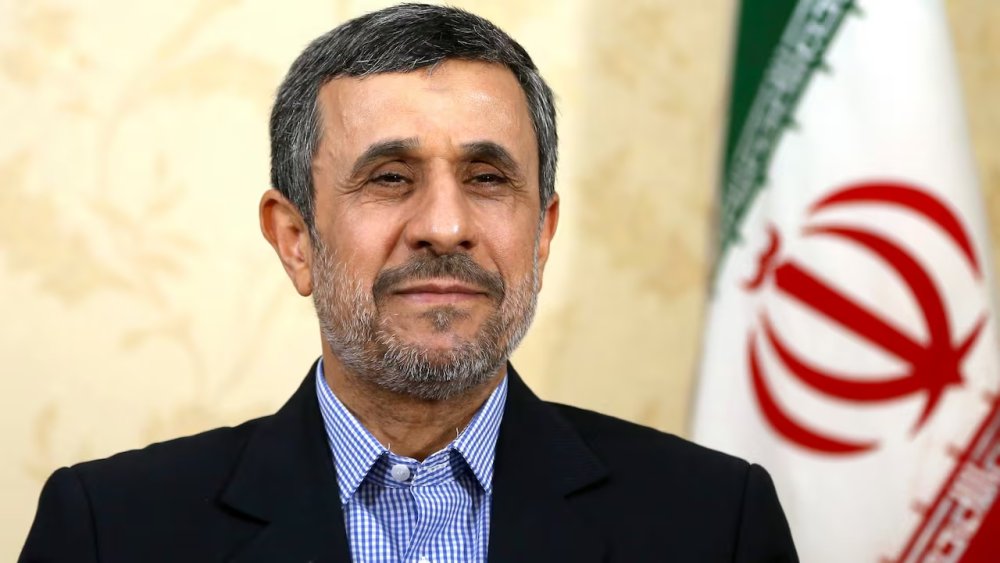
    Mahmoud Ahmadinejad wabaye Perezida wa Iran yishwe n’ibitero Leta Zunze Ubumwe za Amerika na Israel, byagabye ku gihugu cye.

    Amakuru y’urupfu rw’uyu mugabo wayoboye Iran hagati ya 2005 na 2013, yamenyekanye kuri iki Cyumweru, gusa bikekwa ko yishwe ku wa Gatandatu nk’uko ‘The Jerusalem Post’ yabitangaje.

    Yishwe n’ibisasu byaguye ku rugo rwe mu gace ka Narnak, mu majyaruguru ashyira uburasirazuba bw’Umurwa Mukuru, Tehran.

    Mahmoud Ahmadinejad yavuye ku butegetsi muri Iran nyuma yo kurangiza manda ebyiri yemererwaga n’Itegeko Nshinga.

    Mbere yo kuba Perezida, Mahmoud Ahmadinejad yabaye Guverineri w’Intara ya Ardabil, ndetse na Meya w’Umurwa Mukuru, Tehran.

    Nyuma yo kuva ku butegetsi, Mahmoud Ahmadinejad yashyizwe mu bantu 48 bagize akanama ngishwanama mu biro by’Umuyobozi w’Ikirenga wa Iran.

    Urupfu rw’uyu mugabo rukurikiye urw’Umuyobozi w’Ikirenga wa Iran, Ali Khamenei nawe waguye muri ibi bitero.

  • Kenya: Umudepite yaguye mu mpanuka y’indege

    Kenya: Umudepite yaguye mu mpanuka y’indege

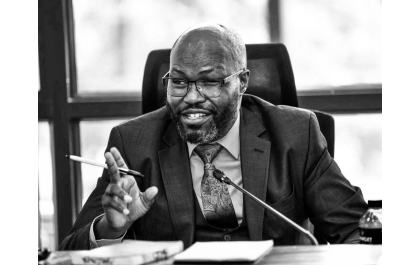
    Inzego z’Ubuyobozi muri Kenya zatangaje ko mu mpanuka y’indege yabereye muri iki gihugu yaguyemo abantu batandatu hari harimo n’umudepite, Johana Ng’eno.

    Iyo mpanuka yabaye ku wa Gatandatu tariki ya 28 Gashyantare 2026. Yabereye mu gace ka Nandi County mu gice cy’amajyaruguru.

    Ntabwo icyateye impanuka kiramenyekana nk’uko Umuyobozi wa Polisi muri Nandi County yabitangaje.

    Umuyobozi wa Polisi muri Nandi County, Samuel Mukusi, yabwiye Televiziyo yo muri Kenya ya Citizen TV ko umudepite, umupilote n’abandi bane bahise bapfa.

    Perezida wa Kenya William Ruto na we yemeje ko iyo mpanuka yaguyemo Johana Ng’eno ndetse yihanganisha imiryango n’inshuti z’abayiguyemo.

    Ati “Ibitekerezo byacu n’amasengesho yacu ari kumwe n’umuryango we, inshuti ze n’abantu ba Emurua Dikirr n’abandi baguye muri iyi mpanuka ya kajugujugu n’imiryango yabo muri Mosop, Nandi County.”

    William Ruto yakomeje ashimangira ko Johana Ng’eno azahora yibukirwa ku mirimo ye, n’uburyo yagiye agira uruhare mu byateza imbere abaturage.