
Development and Health: Silicosis Among Mine Workers
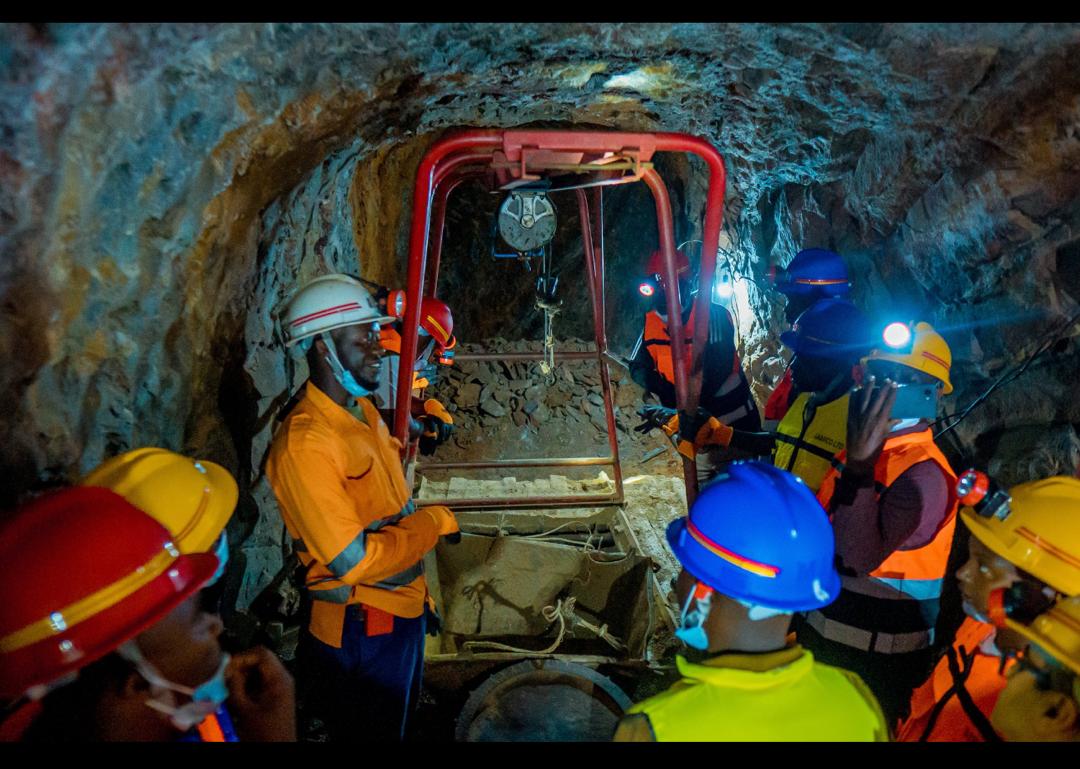
More than 200 meters beneath the surface at Bashyamba mine in the City of Kigali, machines crush rocks as fine dust rises and mixes with the limited air inhaled by workers.(Air is not limited because they is full ventilation through pipes) Every morning, they put on helmets, protective masks, and specialized boots before descending into the underground tunnels.
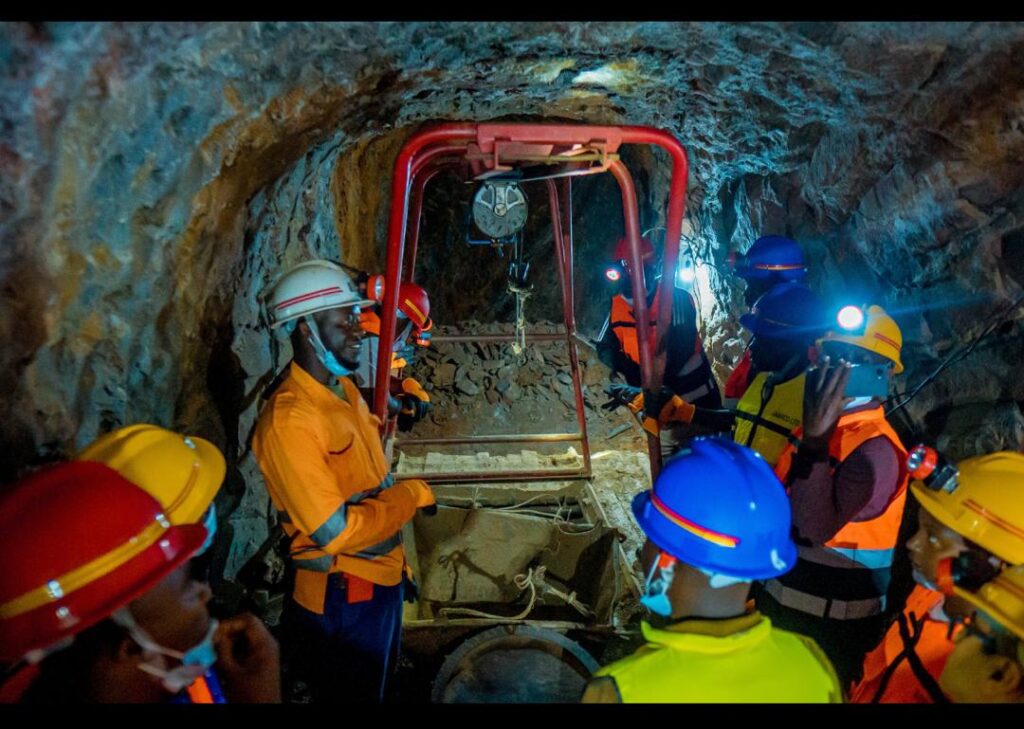
But beneath the earth, there is something invisible to the eye: microscopic silica dust particles that can enter the lungs and remain there for years.One worker who requested anonymity said: “Sometimes underground we feel there is little air. Some workers avoid medical testing because they saw their colleague fall sick and stop working.”Jean Pierre, a mine worker, decided to undergo screening and was diagnosed with silicosis a chronic lung disease caused by inhaling silica dust. He is no longer allowed to return underground.“If I had strictly followed all safety instructions, maybe I would not be sick today.
Silicosis: An Incurable but Preventable DiseaseDr. Jules Nyirimana, who monitors workers’ health, explains that silicosis gradually damages the lungs over time.“When silica particles enter the lungs, the body tries to fight them. But this process creates scar tissue that prevents the lungs from expanding properly. Once it progresses, it cannot be cured.”
He added that many miners seek treatment for back injuries, flu, and respiratory complications. Some patients have been diagnosed with both tuberculosis and silicosis(I believe it is only one patient with silicosis.. by saying some patient confuses the readers ) and are currently receiving home-based care.
According to data from Rwanda Biomedical Centre, in 2023, 471,171 people in Kigali were treated for respiratory diseases, representing 9% of all recorded illnesses. In 2022, 38% of all patients who visited health facilities nationwide had respiratory conditions.
Globally, silicosis remains a major occupational health concern:
- More than 2.6 million people are living with the disease.
- Approximately 12,900 deaths occur each year.
- Over 230 million workers are exposed to silica dust annually.
South Africa: A Cautionary Lesson
In South Africa, particularly in gold mining, research has shown that nearly 25% of former miners suffer from silicosis. This led to major class-action lawsuits and billions of dollars in compensation claims.
Experts warn that developing countries must implement strong preventive measures early to avoid repeating similar public health crises.
Environmental and Company Perspective
Christian, the Environmental Manager at the mine, explains that water encountered during mining is treated before being reused.
“We do not waste water. We treat and reuse it for mineral processing and irrigation,” he said.
He admitted that in the past, underground water was used for drinking and cooking. However, laboratory tests later confirmed it was unsafe, prompting the company to switch to WASAC water for domestic use.
Abel Munyaneza, responsible for environmental and occupational health matters, said workers who fall ill due to work conditions are supported until recovery or referred to specialized hospitals.
“We are currently paying school fees for one affected family due to work-related health challenges,” he stated.
He added that some workers are receiving treatment at King Faisal Hospital. Munyaneza acknowledged that further research is needed, especially after one confirmed silicosis case occurred in a worker with less than ten years of exposure.
He emphasized that workers are regularly encouraged to undergo screening and that protective equipment is replaced every six months, including safety gear (Safety masks) designed to reduce dust exposure.
The Role of Unions and Regulation
Rwanda Extractive Industry Workers Union states that progress has been made in providing permanent contracts and registering workers under RSSB. However, the union insists that medical surveillance must be continuous and that awareness about early screening should be strengthened.
Berthe Rutagambwa, Environmental Representative at the Rwanda Mining Association, stressed that mining companies must (replace by always) assume responsibility for occupational disease compensation.
“Unsafe mining is more expensive than the profits it generates,” she said, criticizing illegal mining operations(I said that emphasizing on the ethics in mining operations versus productivity ) that lack protective equipment and safety standards.
Meanwhile, Rwanda Mines, Petroleum and Gas Board has introduced the “Zero Harm” strategy, including unannounced inspections and license suspensions for non-compliance.
Kigali and Air Quality Concerns
The Mayor of Kigali, Samuel Dusengiyumva, recently highlighted declining air quality as a serious concern.
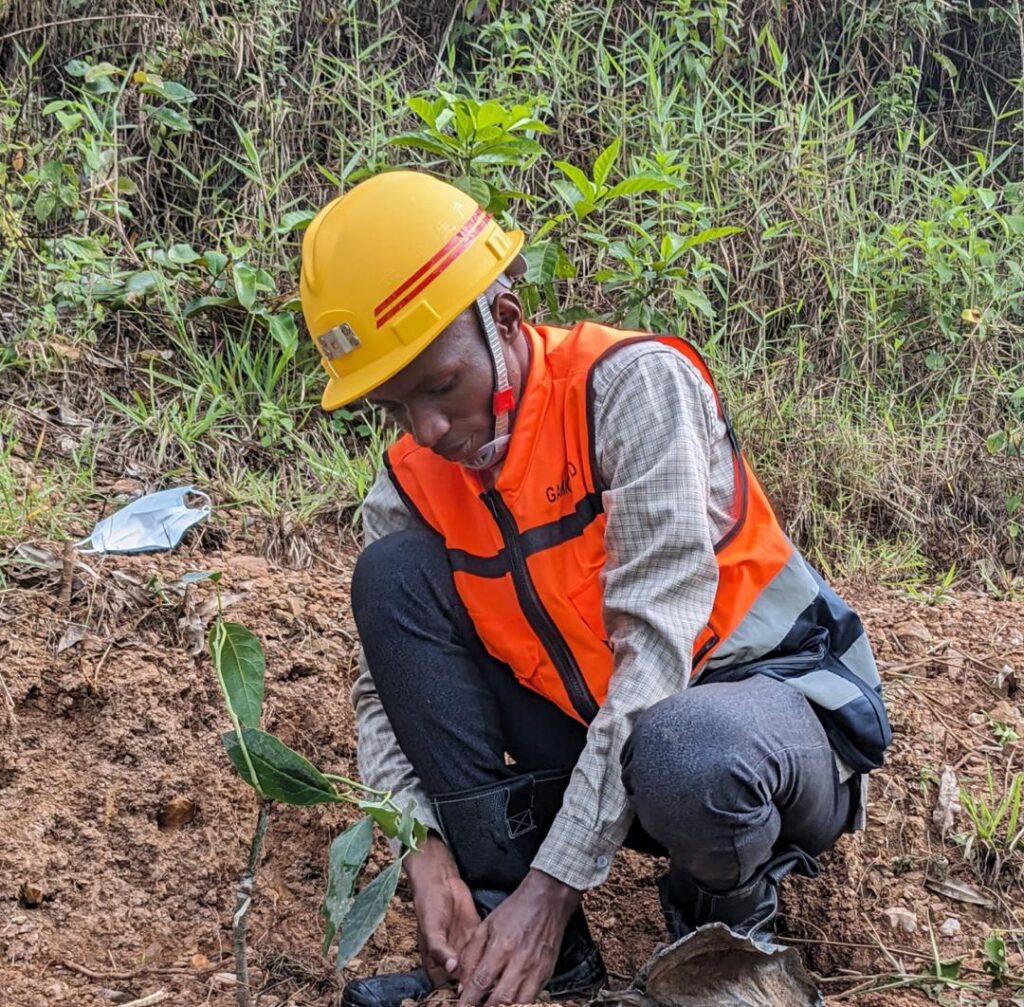
“We have a responsibility to improve air quality in the City of Kigali,” he said, referencing plans to plant three million trees and rehabilitate wetlands to reduce pollution and environmental degradation.
These environmental efforts are directly linked to industrial and mining activities operating within and around the city.
Between Opportunity and Risk
Despite the health risks, mining has transformed lives.Mbarushimana Jean says he moved from being a bicycle taxi operator to building a modern house through mining employment.
Uwituje Solange shared that her children now attend good schools and that she benefits from maternity leave.
“We also created a solidarity fund. When one of us faces a problem, we contribute and support them,” she explained.
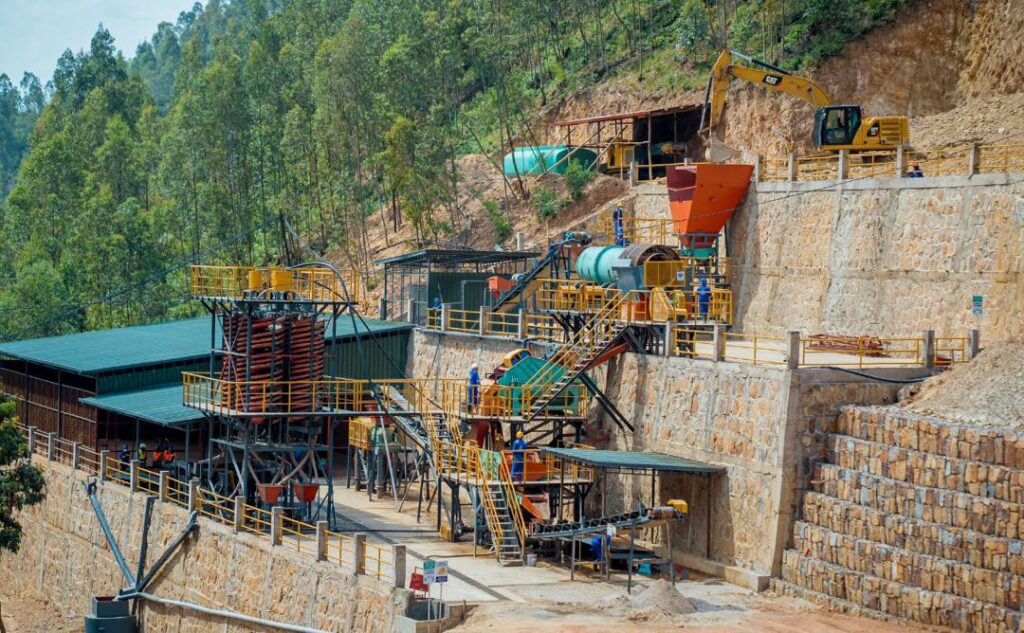
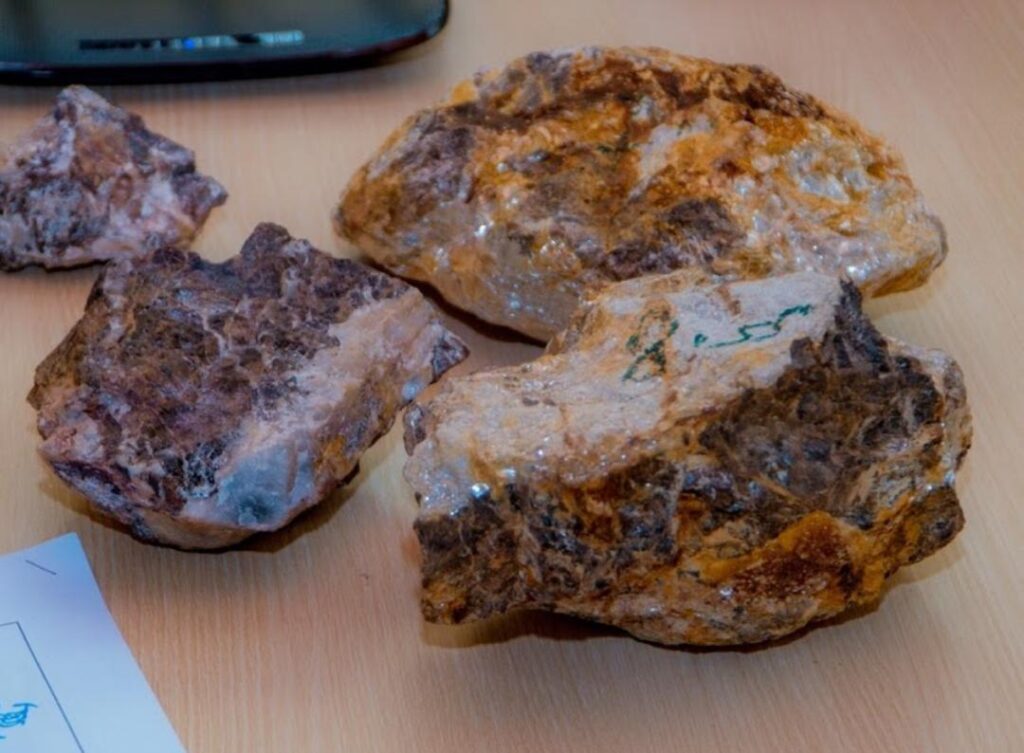
The company operating at Bashyamba is GAMICO Ltd, established in 2012. It primarily mines cassiterite (tin), producing approximately 30 tons per month and employing over 1,700 workers, including more than 200 women.
Between Profit and Human Cost
Mining generates employment and foreign exchange earnings. However, without strict enforcement of occupational health and environmental protections, it can also cost lives.
The laws exist. The data exists. The testimonies exist.The pressing question remains:
Will Rwanda act decisively now to prevent a future health crisis similar to that experienced in South Africa, where compensation came only after thousands of workers had already suffered irreversible damage?(I think it was specific that they help healthwise the workers affected at work and Gamico should not be used as an example because they fullfill what they owe to their employees)
The answer lies in stronger monitoring, continuous medical screening, proper protective equipment, and most importantly listening to workers before the invisible dust leaves permanent scars.
By: Florence Uwamaliya